The Orchestra at the Opera by Edgar Degas
 c.1870 / Oil on canvas / 22 1/4″x17 3/4″ / Musée d’Orsay, Paris, France
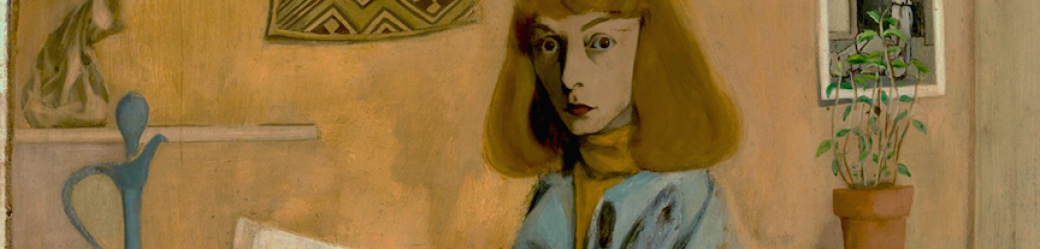
c.1870 / Oil on canvas / 22 1/4″x17 3/4″ / Musée d’Orsay, Paris, France
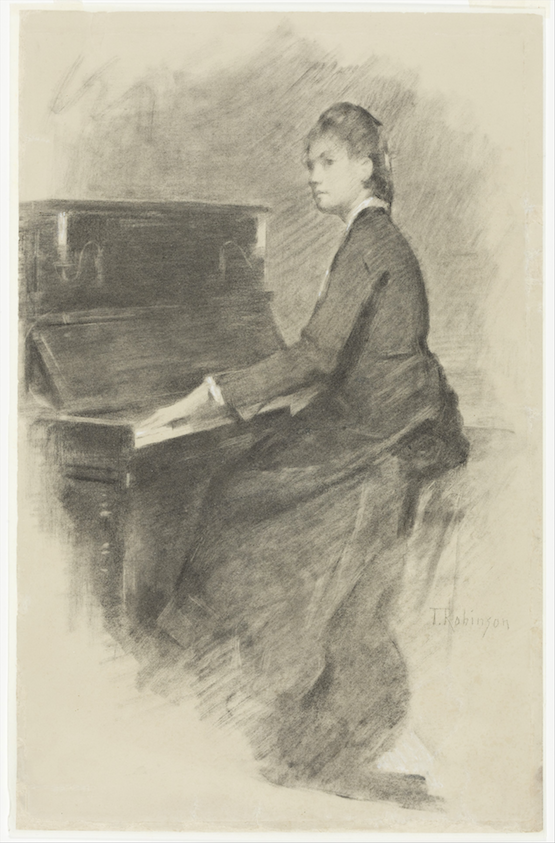 c.1887 / Charcoal and gouache on off-white wove paper / Metropolitan Museum of Art, NYC
 1861 / Oil on canvas / 40″x24 3/4″ / Tate Britain, London, UK
The title was suggested by a visitor to the artist’s studio, Mrs Ralph Benson,
and evokes Felix Mendelssohn‘s famous “Songs without Words“,
created for the piano between 1829 and 1845. ~ Tate Britain
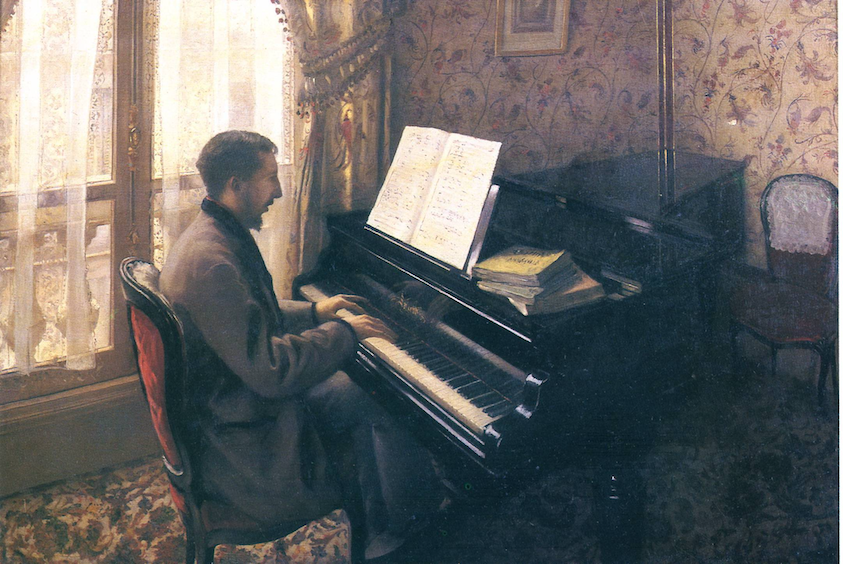 1876 / Oil on canvas / 32″x46″ / Artizon Museum, Tokyo, Japan
In 1852 [Schwind] “composed” A Symphony in oils, and provided the commentary on it himself:
“The whole should be imagined as the Beethoven wall of a music room…
and it is based on a composition by Beethoven, the Fantasia in C for Piano, Orchestra and Choir…”
~ https://www.wga.hu/html_m/s/schwind/symphony.html
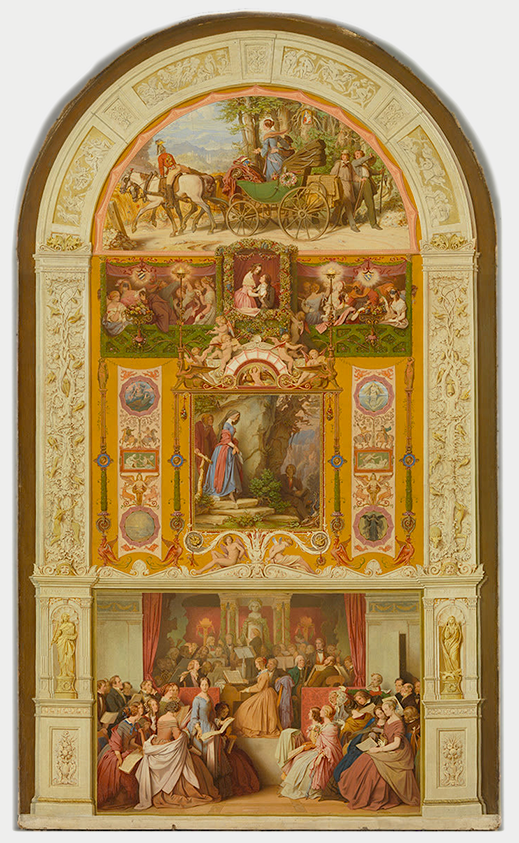 1852 / Oil on canvas / 66 1/2″x39 2/5″ / Neue Pinakothek, Munich, Germany
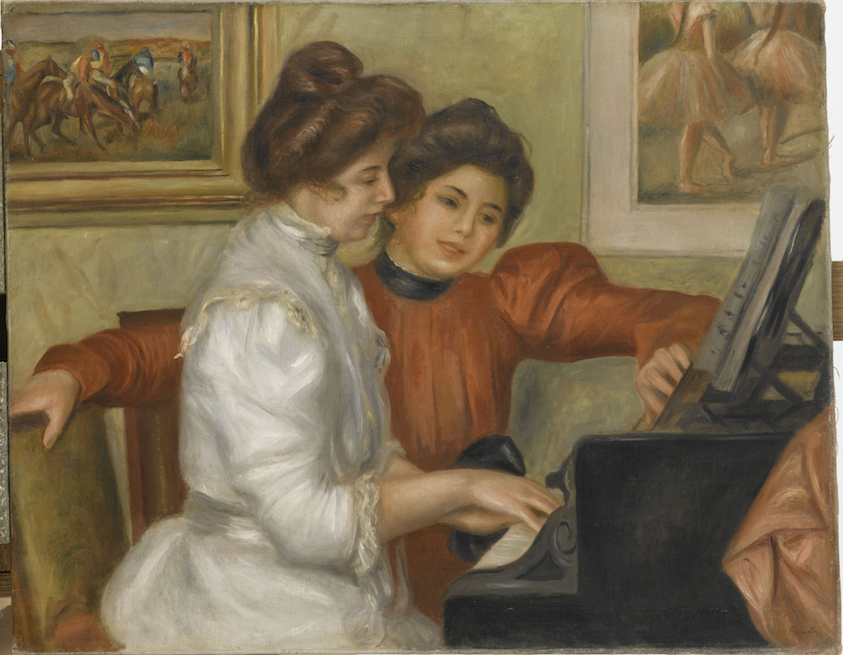 1897 / Oil on canvas / 28 3/4″x36 1/5″ / Musée de l’Orangerie, Paris, France
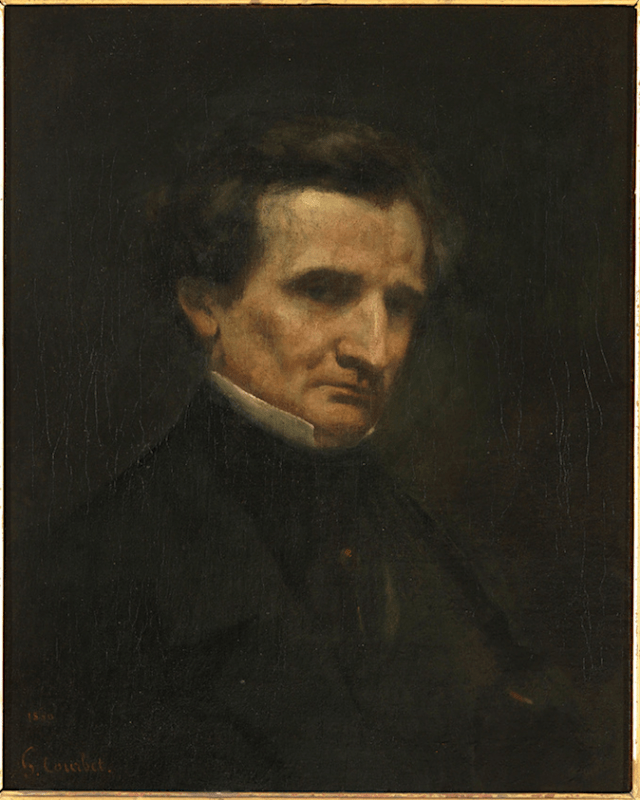
1850 / Oil on canvas / 24″x18 4/5″ / Musée d’Orsay, Paris, France
 c.1868 / Oil on canvas / 22 3/4″x36 2/5″ / Hermitage Museum, Saint Petersburg, Russia
Hunnenschlacht (The Battle of the Huns), S.105 is a symphonic poem by Franz Liszt, written in 1857
after a painting of the same name by Wilhelm von Kaulbach. ~Wikipedia
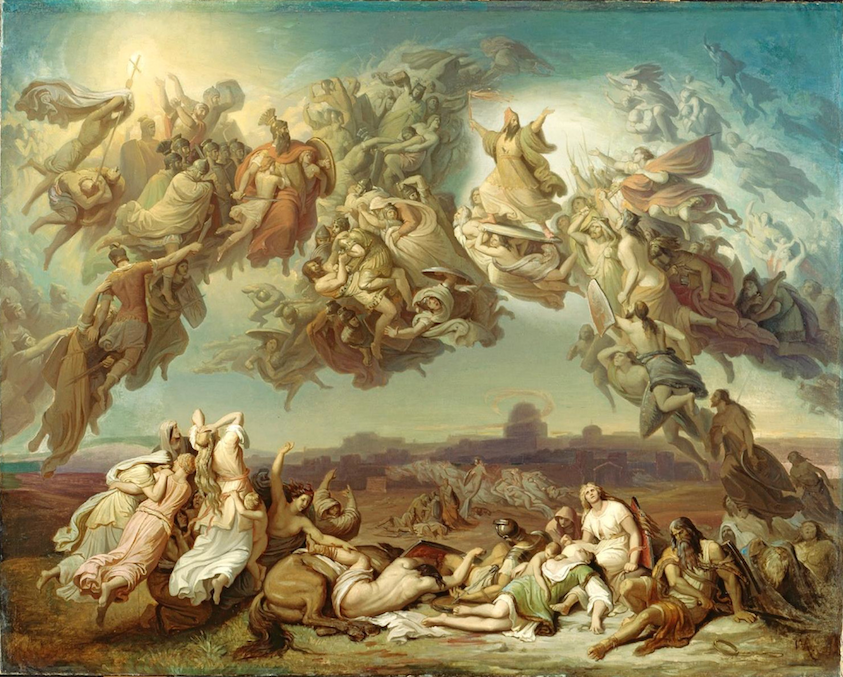 c.1837 / Oil on canvas / 54 1/10″x67 9/19″ / Staatsgalerie Stuttgart, Germany
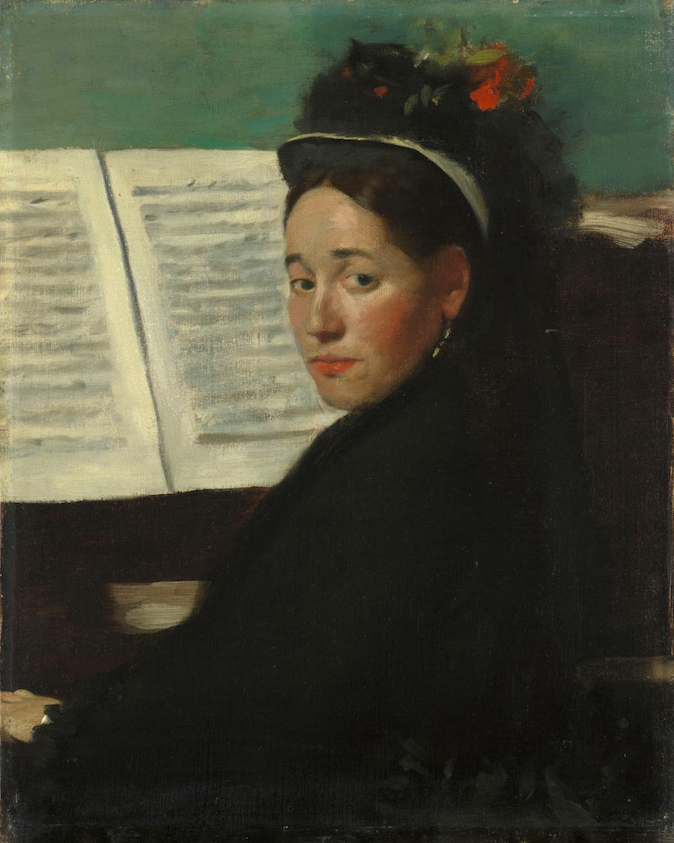 Between 1869 and 1872 / Oil on canvas / 17 3/4″x12 3/4″ / Musée d’Orsay, Paris, France
 The Misty Miss Christy