Saint Cäcilie – The Invisible Piano by Max Ernst
 1923 / Oil on canvas / 39 4/5″x32 3/10″ / Staatsgalerie Stuttgart, Germany
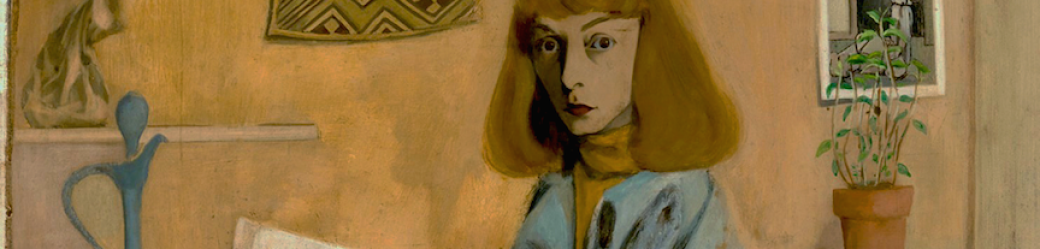
1923 / Oil on canvas / 39 4/5″x32 3/10″ / Staatsgalerie Stuttgart, Germany
Trittico Botticelliano by Ottorino Respighi
“Although the theme of “The Adoration of the Magi” is recognizable as the carol “O come, O come, Emmanuel,” Respighi’s mind was not on the Advent season. Rather, the three movements of the Trittico Botticelliano each take their inspiration from a different painting by Sandro Botticelli, renowned artist of the Italian Renaissance. The first and third are likely familiar: La primavera (Spring) and La nascita di Venere (The Birth of Venus). The middle part of the triptych, “L’adorazione dei Magi,” is less humanistic and more traditional, with its subject from the Book of Matthew.”
~https://www.redlandssymphony.com/pieces/trittico-botticelliano
 c.1475-1476 / Tempera on wood panel / 43 3/4″x52 3/4″ / Uffizi Gallery, Florence, Italy
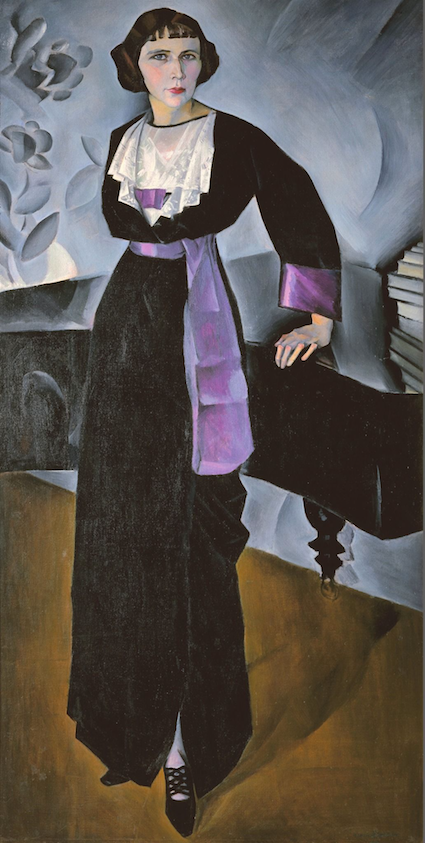 1913 / Oil on canvas / 71 1/2″x35 1/2″ / Tretyakov Gallery, Moscow, Russia
 c.1934 / Tempera with oil on canvas, mounted on panel
45″x38″ / The Nelson-Atkins Museum of Art, Kansas City, MO
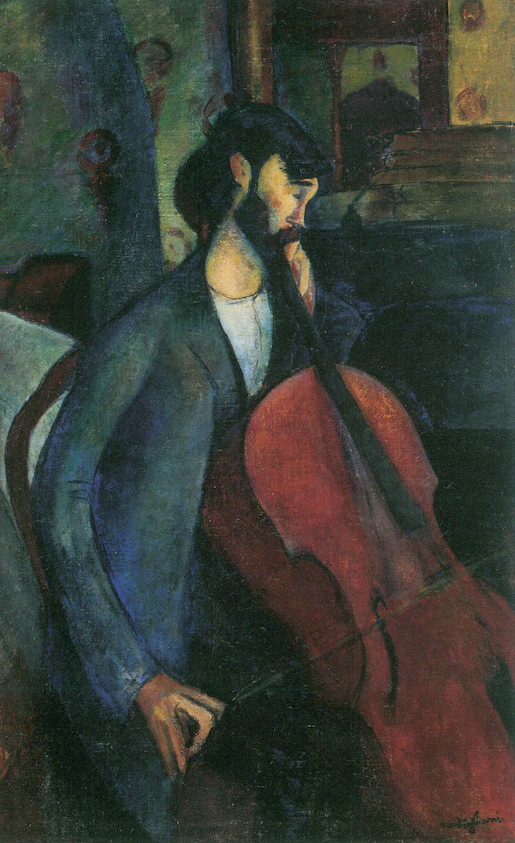 1909 / Oil on canvas / 51″x31 1/2″ / Private Collection
Mona Lisa (opera) by Max von Schillings
“Mona Lisa, Op. 31, is a 1915 opera by the German composer Max von Schillings on a libretto by Beatrice von Dovsky. The opera was first performed on September 26, 1915 in the Hofoper in Stuttgart, with the composer conducting. The North American premiere took place at the Metropolitan Opera in New York on March 1, 1923.”
~https://en.wikipedia.org/wiki/Mona_Lisa_(opera)
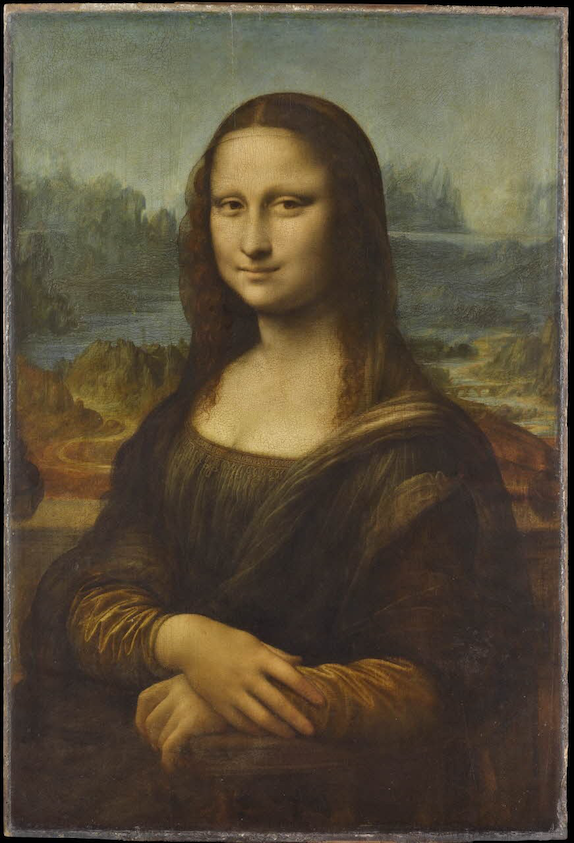 c.1503-19 / Oil on poplar panel / 30″x21″ / The Louvre Museum, Paris, France
 1937 / 57 1/8″x40 3/8″ / Oil and sand on canvas / Private collection
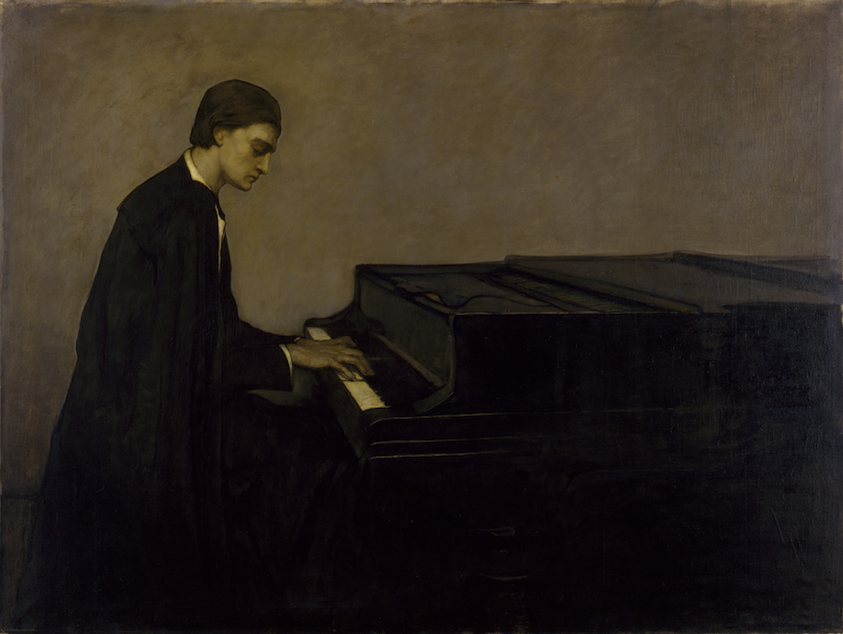 1920 / Oil on canvas / 55 7⁄8″x74 1⁄4″ / Smithsonian American Art Museum, DC
 1916 / Oil on canvas / 96 1/2″x83 3/4″ / The Museum of Modern Art, NY, NY
 1886 / Oil on canvas / 48″x34 1/4″ / Giuseppe Verdi Foundation Retirement Home for Musicians, Milan, Italy

