National Photography Month~ Day 9

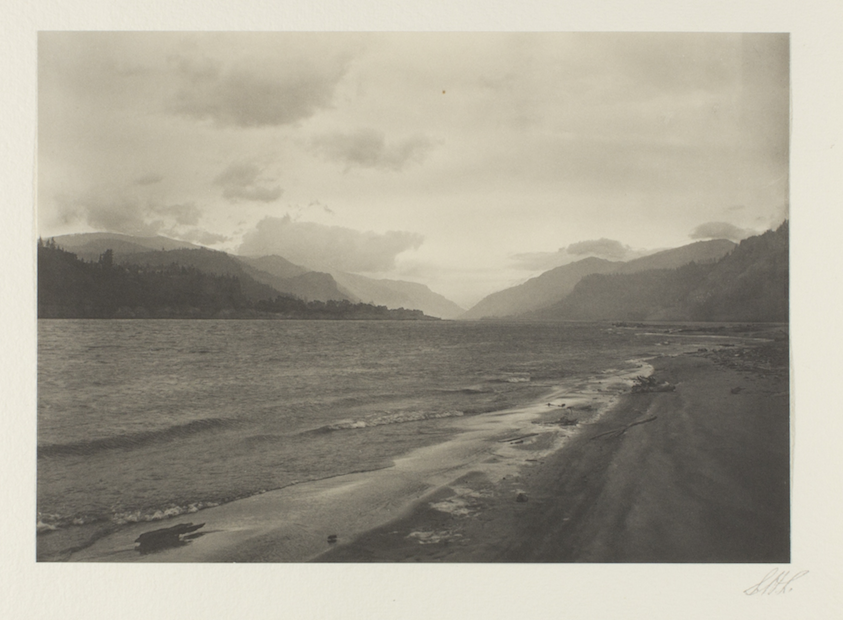
Gateway to the Inland Empire by Sarah Hall Ladd

1903/1905 / Platinum print / Image: 6 11/16″x9 1/2″ / Portland Art Museum, Oregon

[There are three embedded links above]

Sarah Hall Ladd joined the Oregon Camera Club in September 1899, and, by early 1901, a number of her works were on exhibition in San Francisco. In 1903, leading New York photographer Alfred Stieglitz formed Photo-Secession, a group of elite American photographers that never numbered more than 105 members, and both Sarah Hall Ladd and Lily White were included among the select membership. ~The Oregon History Project

National Photography Month~ Day 8

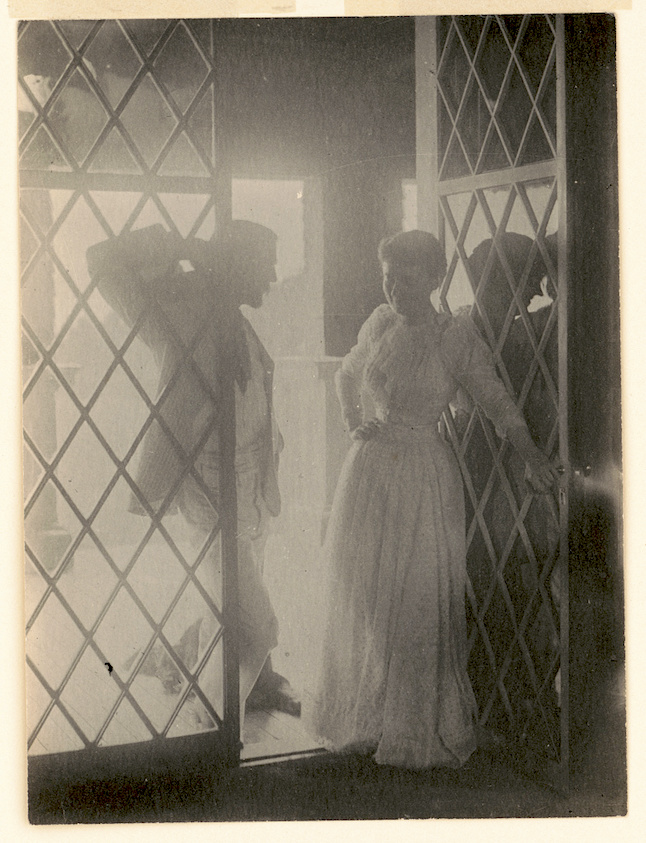
Sea Bright, Dade & Jean by Emma Justine Farnsworth

Between 1886 and 1912 / Platinum print / 6″x4 1/2″ / Library of Congress Prints and Photographs Division, D.C.

[There are three embedded links above]

Farnsworth’s pictures were reproduced most frequently during the 1890s. They appeared in the American Amateur Photographer…Photographic Times…and Sun and Shade…They were included in two deluxe portfolios of photogravures, issued on the occasion of Berlin’s annual International Exhibition of Amateur Photography in 1896 and 1897. Two years later, the Camera Club of New York also featured one of her gravures in its portfolio American Pictorial Photography I. ~Luminous-Lint

National Photography Month~ Day 7

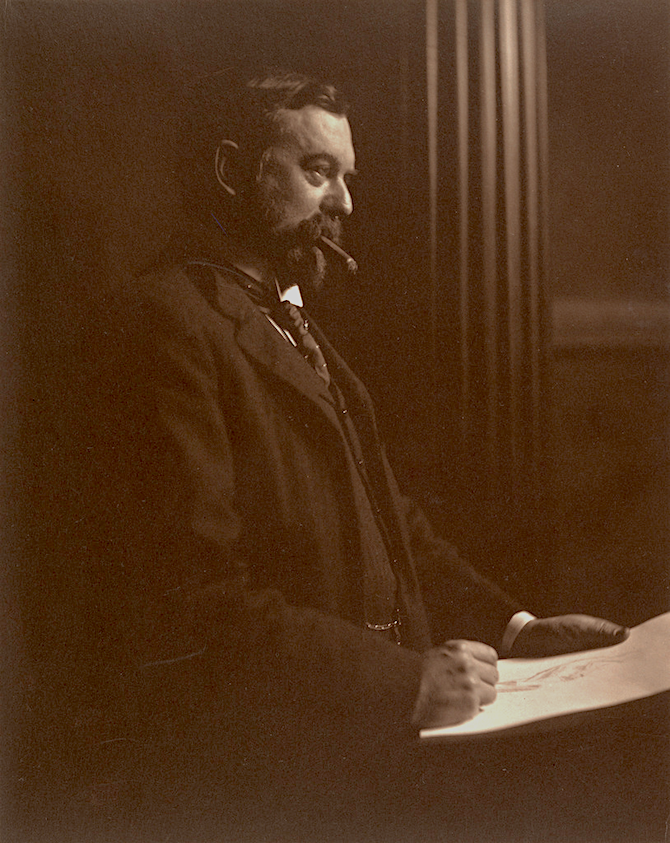
John Singer Sargent Drawing Ethel Barrymore by Sarah Choate Sears

About 1890 / Toned gelatin silver print / 9 15/16″x7 3/8″ / The J. Paul Getty Museum, Los Angeles, CA

[There are three embedded links above]

Sarah Sears was born in Cambridge, Massachusetts, into a prominent Boston family. Trained as a painter, she received prizes for her watercolors…She began taking photographs in the 1890s, and pursued a photographic career between 1900 and 1909. ~icp.org

National Photography Month~ Day 6

Charcoal Effect by Mary Devens

c.1900 / Photogravure / 11″x8″ / Various collections including Minneapolis Institute of Art, MN

[There are three embedded links above]

In July 1902, Camera Notes, the periodical [Alfred Stieglitz] edited, ran a photogravure of her image Charcoal Effect…Stieglitz invited Devens to become a member of his elite group, the Photo-Secession, and included her work in its first show at New York’s National Arts Club in 1902. ~Luminous-Lint

National Photography Month~ Day 5

Annetje by Rose Clark and Elizabeth Flint Wade

1898 / Platinum print / 8″x5″ / Library of Congress Prints and Photographs Division, D.C.

[There are four embedded links above]

Rose Clark (1852–1942) and Elizabeth Flint Wade (1849–1915) were late 19th-century/early 20th-century American photographers. They are best known for the photographs they exhibited under their joint names, either as “Rose Clark and Elizabeth Flint Wade” or as “Misses Clark and Wade”.
~Wikipedia

National Photography Month~ Day 4

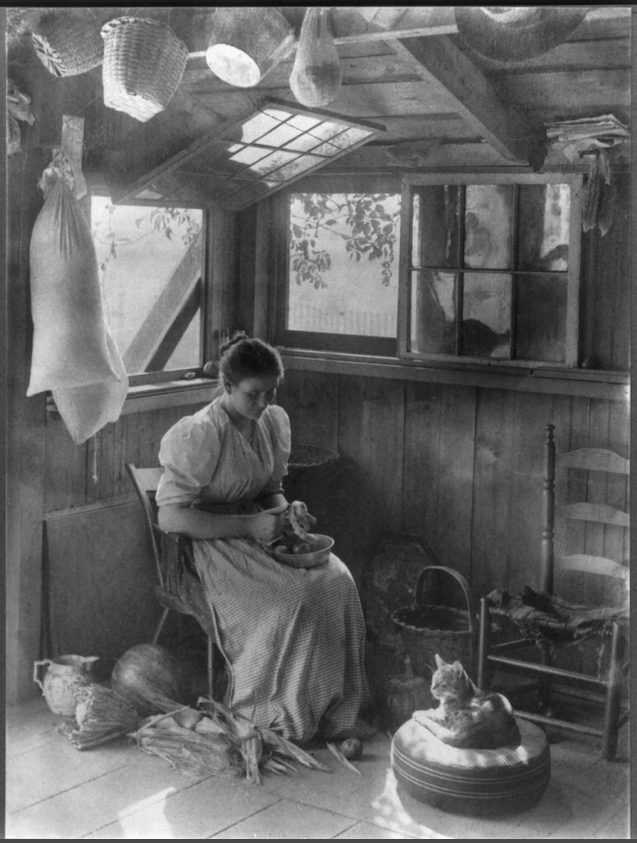
Contentment by Sarah J. Eddy

c.1896 / Platinum print / 8″x6″ / Library of Congress Prints and Photographs Division, D.C.

[There are three embedded links above]

Sarah James Eddy (May 3, 1851 – March 29, 1945) was an American artist and photographer who specialized in the platinotype process, also known as platinum prints. She was active in abolition, reform, and suffragist movements, and was a philanthropist as well as instrumental in the founding of the Rhode Island Humane Society. ~Wikipedia

National Photography Month~ Day 3

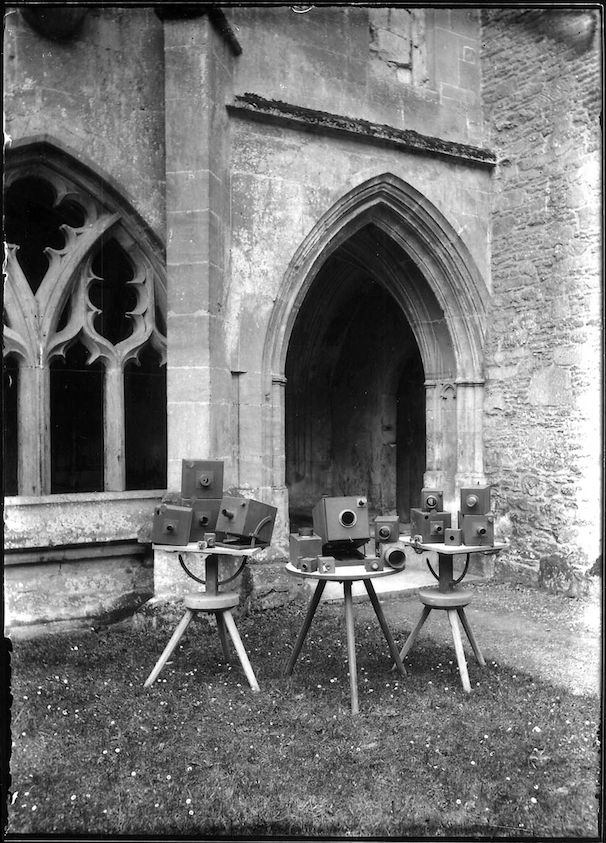
Fox Talbots Cameras Lacock Abbey by Catharine Weed Barnes Ward

c.1892 / Gelatin silver negative / 7″x5″ / George Eastman Museum, Rochester, NY

[There are four embedded links above]

As the nineteenth century drew to a close, Catharine Weed Barnes Ward had established herself as a tireless champion of women photographers. Photography had been long regarded as an exclusive ‘men only’ profession, and some male society and club members threatened to resign if women were granted admittance. Mrs. Ward fired back that these societies should offer women “a fair field and no favor,” and that photography should ultimately be judged by the quality of the work and not the gender of the photographer. ~ http://historiccamera.com/

National Photography Month~ Day 2

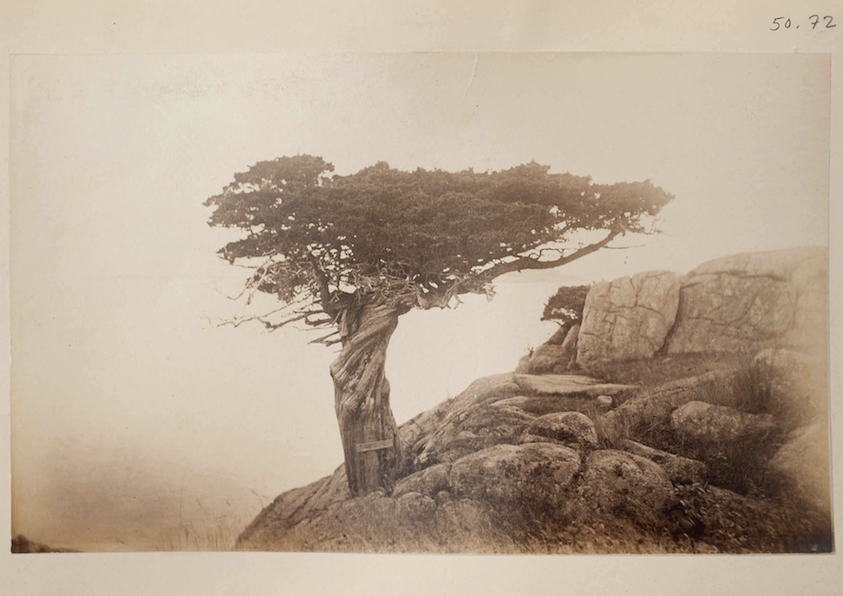
Umbrella Tree at Smith’s Point [second view] by Marian Hooper Adams

1883 / Photograph / Image size: 4 3/5″x7 6/10″
Marian Hooper Adams photographs collection, photo no.50.72, Massachusetts Historical Society

[There are three embedded links above]

Clover held a good deal [of] pain, despite her perfect-seeming privileged upbringing, she still was human and had immense feelings of loss. She carried her baggage and photography was a way for her to express herself and her longing for human connection.
~ https://www.oursphotomag.com/blog/marian-hooper-adams-1880

National Photography Month~ Day 1

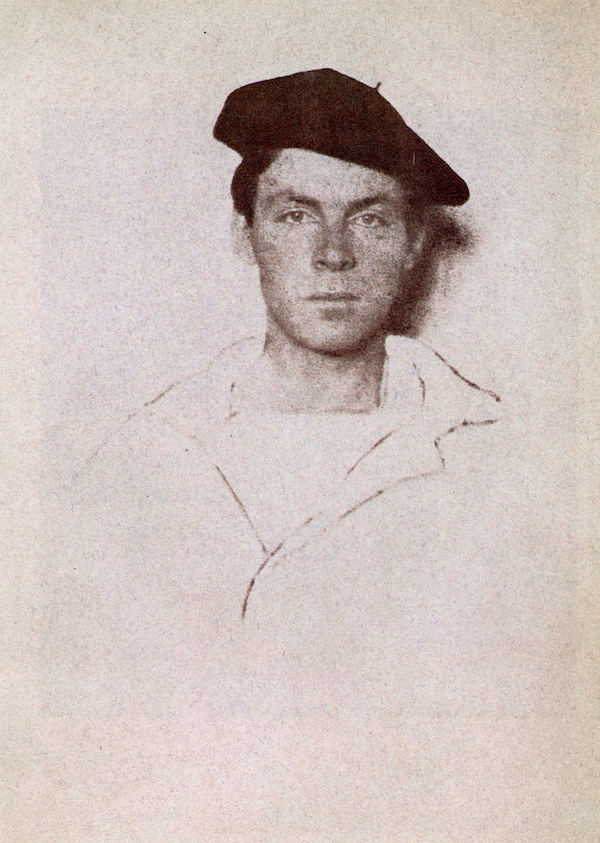
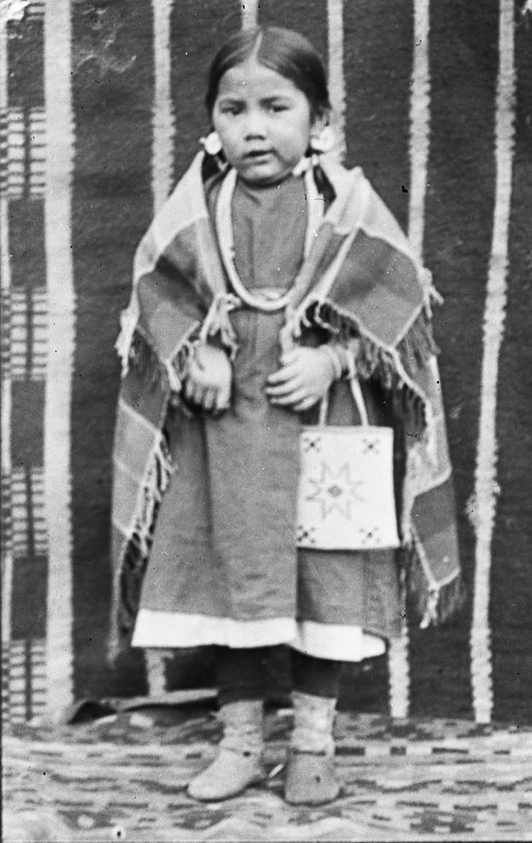
A Very Little Girl by E. Jane Gay

c.1890 / Courtesy Idaho State Historical Society, 63-221-114
Idaho State Archives, Idaho State Historical Society, Boise, ID

[There are three embedded links above]

Emma Jane Gay (1830 – March 15, 1919) (also known as E. Jane Gay) was an American woman who devoted her life to social reform and photography. She is notable for her photographs of the Nez Perce, which she took during a federal expedition led by American ethnologist and anthropologist Alice Cunningham Fletcher. ~Wikipedia

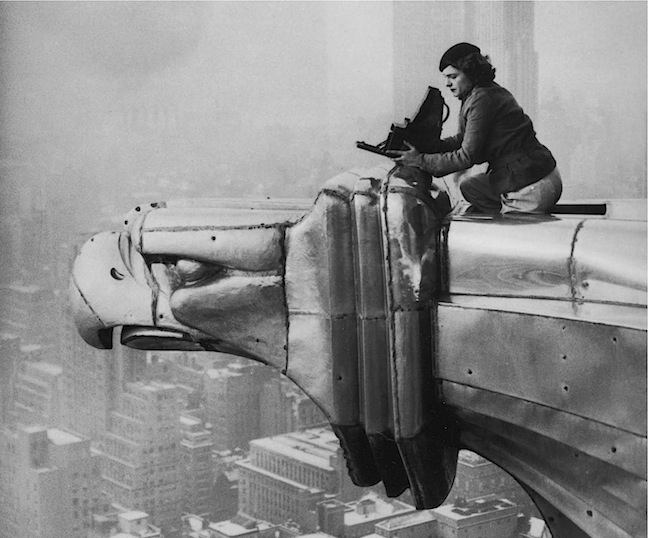
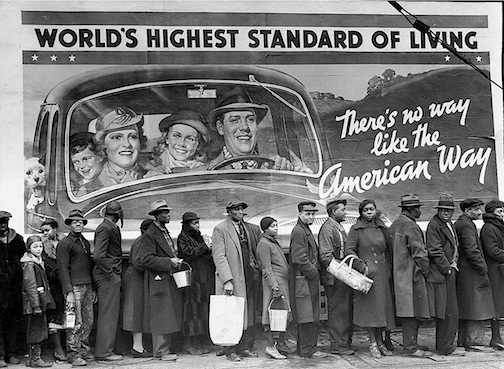
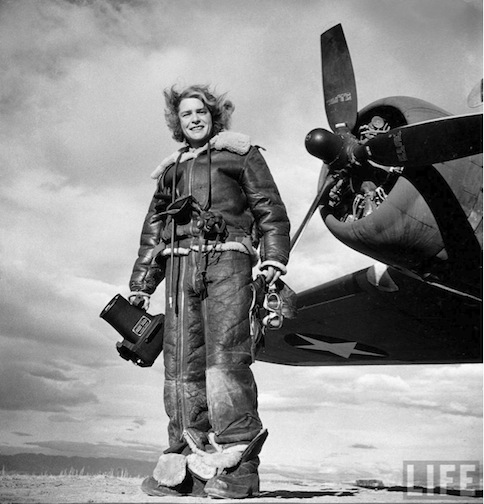
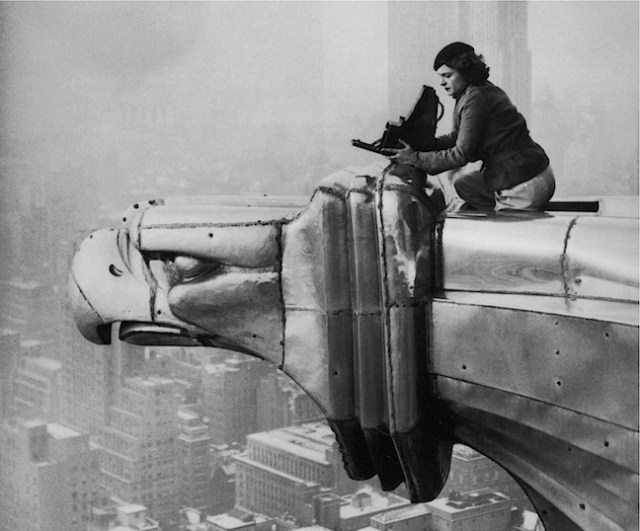
Margaret Bourke-White: Born June 14, 1904

eagle

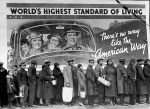
standardoflvngMargaret Bourke-White was a pioneering photojournalist whose insightful pictures of 1930s Russia, German industry, and the impact of the Depression and drought in the American midwest established her reputation…In 1927 she graduated from Cornell University with a degree in biology, but she spent most of her time establishing herself as a professional photographer. Bourke-White opened her first studio in her apartment in Cleveland, Ohio.
FROM http://www.moma.org/interactives/objectphoto/artists/712.htmlairplane

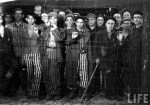
campAs an artist, Bourke-White continued to use photography as an instrument to examine social issues from a humanitarian perspective. She witnessed and documented some of the 20th century’s most notable moments, including the liberation of German concentration camps by General Patton in 1945, the release of Mahatma Gandhi from prison in 1946, and the effects of South African labor exploitation in the 1950s. Her career was cut short in 1966 due to Parkinson’s disease, and she died in 1971.
FROM https://www.howardgreenberg.com/artists/margaret-bourke-white

International Photography Hall of Fame and Museum~ https://iphf.org/inductees/margaret-bourke/

LIFELIFE’s First-Ever Cover Story~ http://time.com/3764198/lifes-first-ever-cover-story-building-the-fort-peck-dam-1936/

Shorpy Archives~ http://www.shorpy.com/image/tid/208