Rocky Landscape in the Elbe Sandstone Mountains
by Caspar David Friedrich
 1822/1823 / Oil on canvas / 37″x29″ / Österreichische Galerie Belvedere, Vienna, Austria
1822/1823 / Oil on canvas / 37″x29″ / Österreichische Galerie Belvedere, Vienna, Austria
 c.1890 / Oil on wood panel / 25 3/16″x31 15/16″ / Albright-Knox Art Gallery, Buffalo, NY
Then in a silken scarf,—sweet with the dews
Of precious flowers pluck’d in Araby,
And divine liquids come with odorous ooze
Through the cold serpent pipe refreshfully,—
She wrapp’d it up; and for its tomb did choose
A garden-pot, wherein she laid it by,
And cover’d it with mould, and o’er it set
Sweet Basil, which her tears kept ever wet.
~https://www.bartleby.com/126/38.html
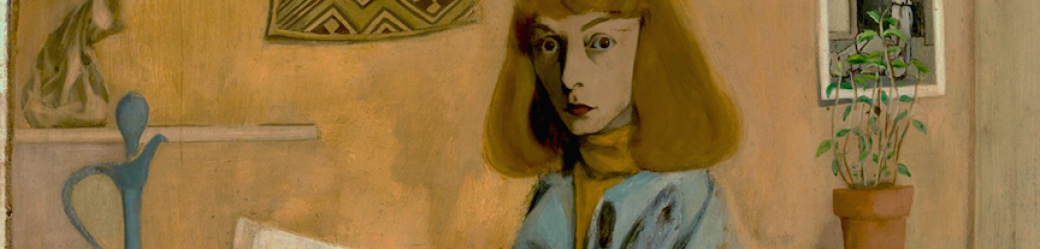
 1897 / Oil on canvas / 75 5/8″x36 1/8″ / Museum of Fine Arts, Boston, MA
Isabella, or The Pot of Basil was a poem written in 1820 by the English poet John Keats, who borrowed his narrative from the Italian Renaissance poet Giovanni Boccaccio. Isabella was a Florentine merchant’s beautiful daughter whose ambitious brothers disapproved of her romance with the handsome but humbly born Lorenzo, their father’s business manager. The brothers murdered Lorenzo and told their sister that he had traveled abroad. The distraught Isabella began to decline, wasting away from grief and sadness. She saw the crime in a dream and then went to find her lover’s body in the forest. Taking Lorenzo’s head, she bathed it with her tears and finally hid it in a pot in which she planted sweet basil, a plant associated with lovers.
~https://collections.mfa.org/objects/31098
 20th century / Wood, beads, nails, and cowrie shells
7 3/4″x5″x2″ / Cantor Arts Center, Stanford University, Palo Alto, CA
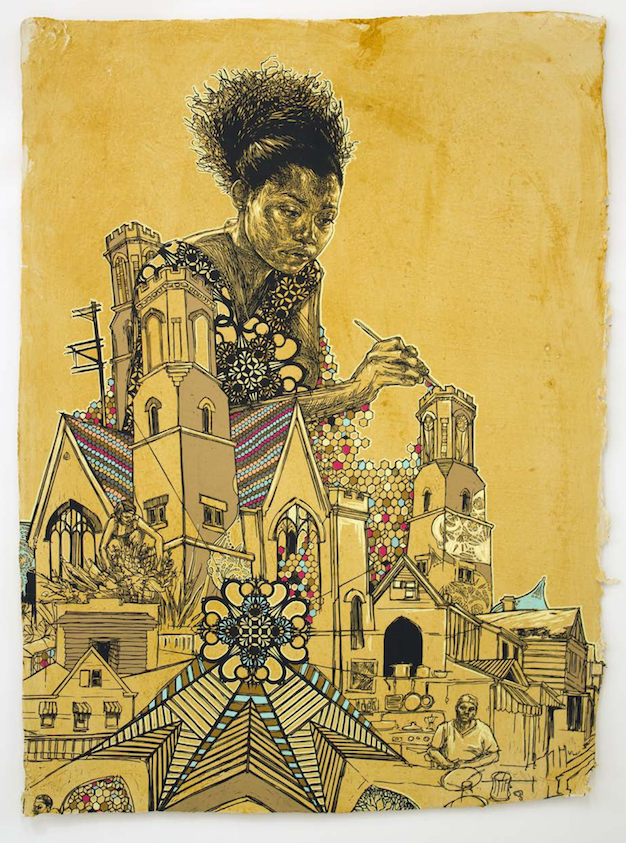 2014 / Eight-color screenprint on handmade, hand-painted paper
31″x22″ / Various collections, including Cleveland Clinic, Cleveland, Ohio
“We know that works of art can enhance the patient environment when carefully chosen and thoughtfully curated. Artworks lend comfort, beauty and wit to the environment. They promote innovation by challenging our ways of seeing. Above all, they assert the strength of our humanity in the face of sickness and misfortune.”
~http://www.clevelandclinic.org/lp/power-of-art/
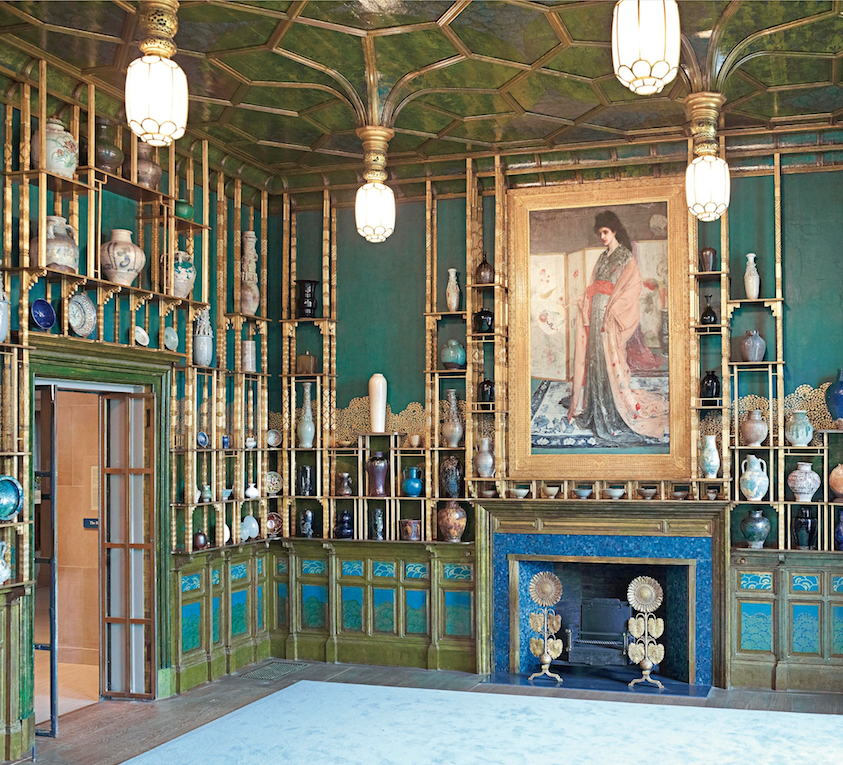
1876-1877 / Oil paint and gold leaf on leather and wood
167 5/8″x398″x239 1/2″ / Freer Gallery of Art, Washington, DC
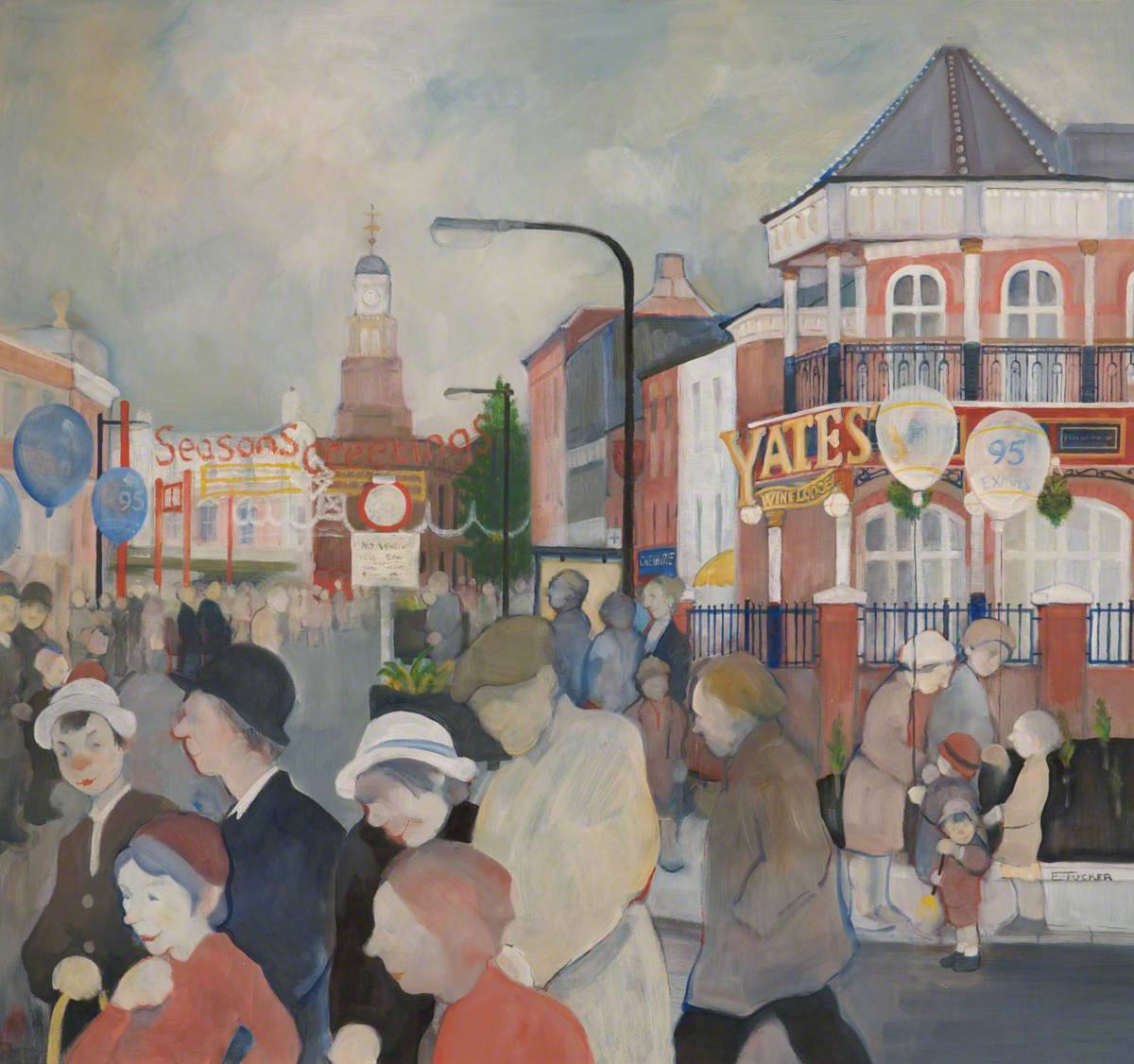 1995 / Oil on board / 24 4/5″x26 2/5″ / Warrington Museum & Art Gallery, UK
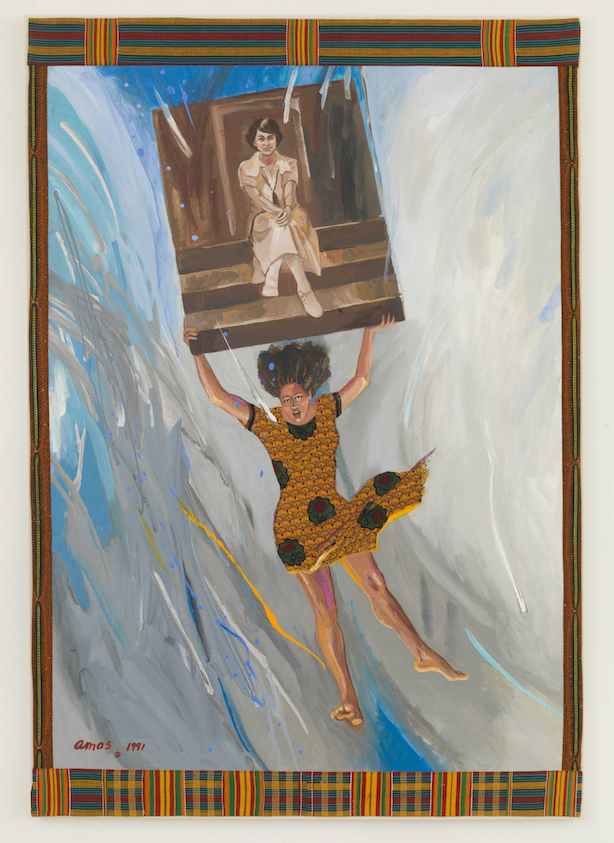 1991 / Acrylic on canvas with fabric collage and African fabric borders
65″x45″ / Emma Amos/Ryan Lee Gallery, New York, NY
Emma Amos, Painter Who Challenged Racism and Sexism
https://www.nytimes.com/2020/05/29/arts/emma-amos-dead.html
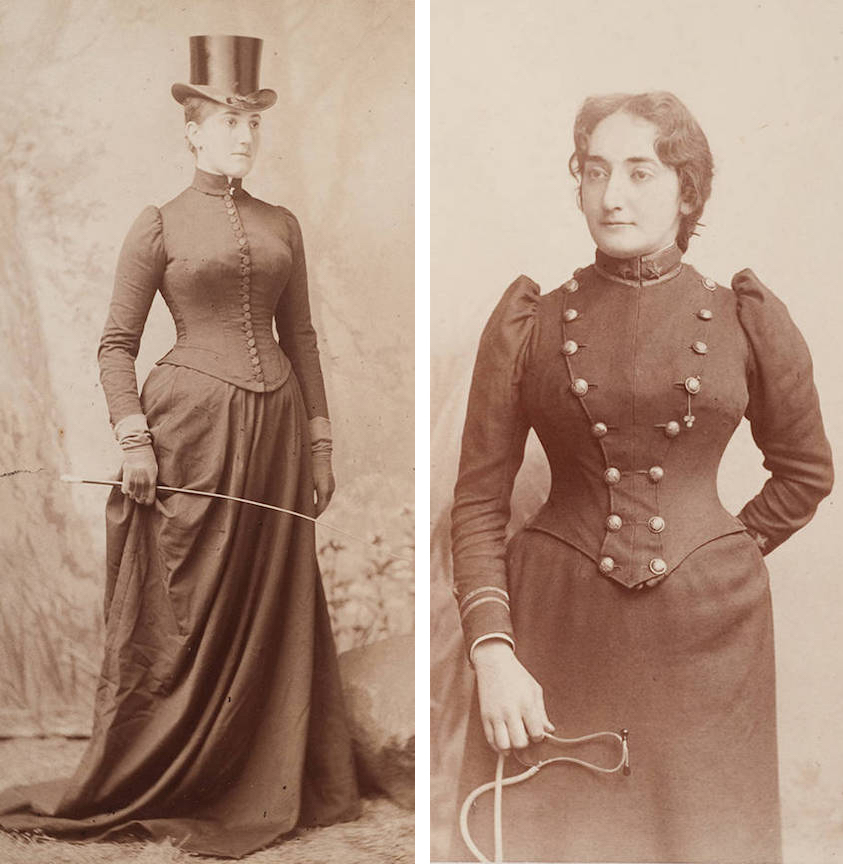
The profits from the family’s textile business provided the sisters with a lifelong allowance that insured their financial independence and funded their many purchases. In Paris, the Cone sisters met Pablo Picasso and Henri Matisse and began to collect their works when modern art was still not widely known, let alone appreciated. The sisters’ adventurous spirit in collecting over the next forty years resulted in the formation of one of the most important collections of modern art in America. Eventually, the women gave about 3,000 works of art to the [Baltimore Museum of Art], where they may be seen today. They also donated 242 artworks to the Weatherspoon.
FROM Weatherspoon Art Museum, Greensboro, NC
 1941 / Front room, Claribel Cone’s apartment / Marlborough Apartments, Baltimore, MD
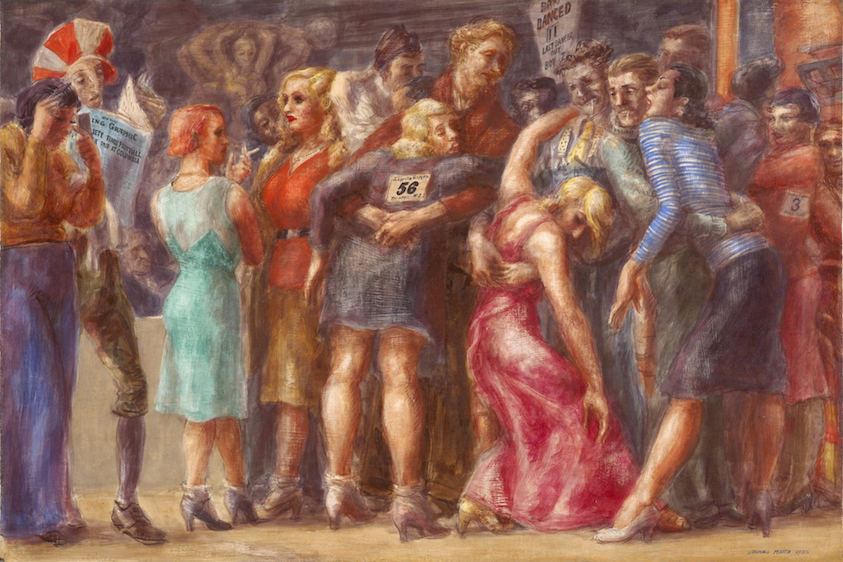 1932 / Tempera on gessoed canvas mounted on wood / 24″x36″
Munson-Williams-Proctor Arts Institute, Utica, New York