The Wawona and The Grizzly by Thomas Hill
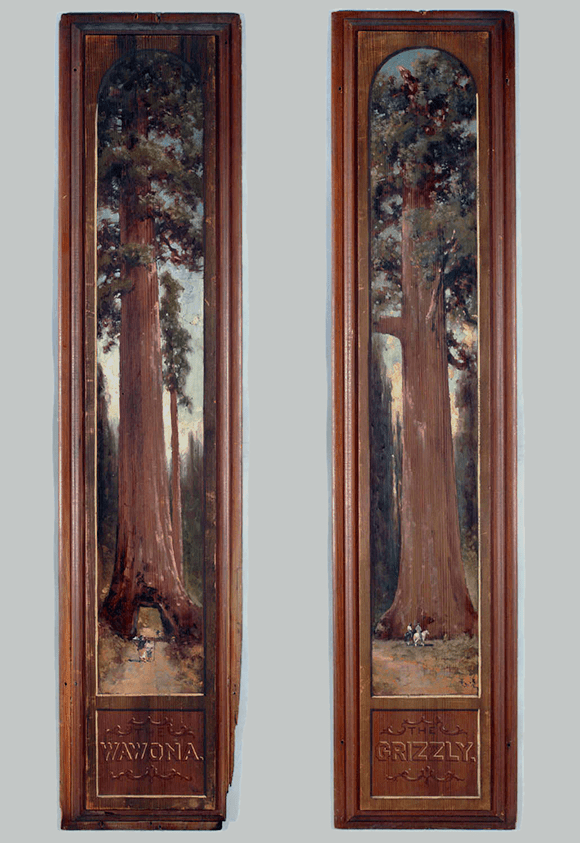 c.1890 / Oil on wood panel / 42”x7” / Bancroft Library, UC Berkeley, CA
c.1890 / Oil on wood panel / 42”x7” / Bancroft Library, UC Berkeley, CA
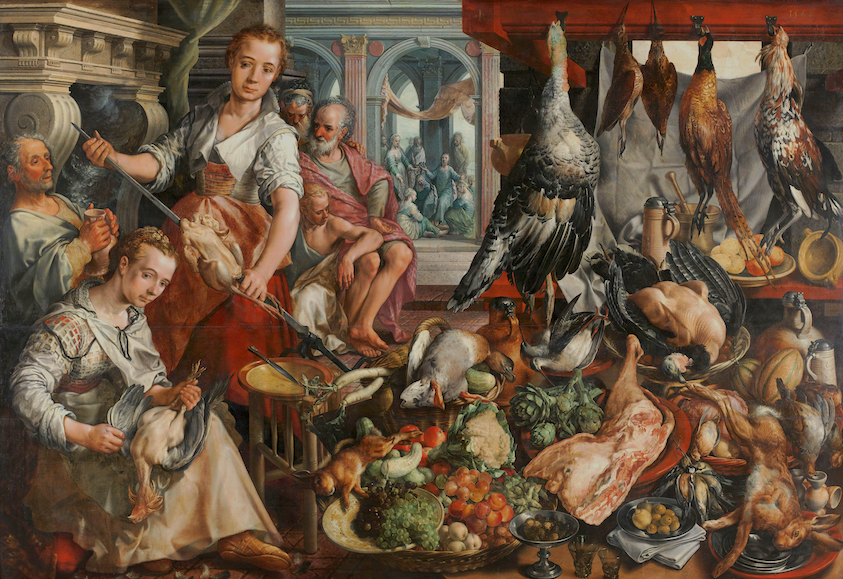 1566 / Oil on panel / 67 1/3″x98 2/5″ / Rijksmuseum, Amsterdam, Netherlands
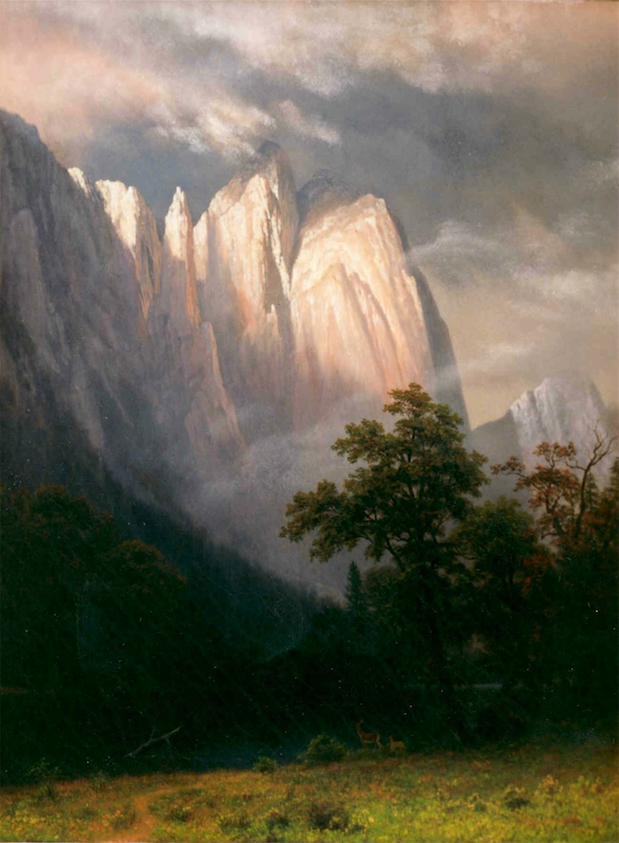 1870 / Oil on canvas / 24″x18″ / The Marsh-Billings-Rockefeller Mansion, Woodstock, VT
 1563 / Oil on canvas / 42″x59 4/5″ / Private collection
 1861 / Mammoth plate photographic print / Image approx 20″x15 1/2″
Various collections, including The Metropolitan Museum of Art, NY, NY
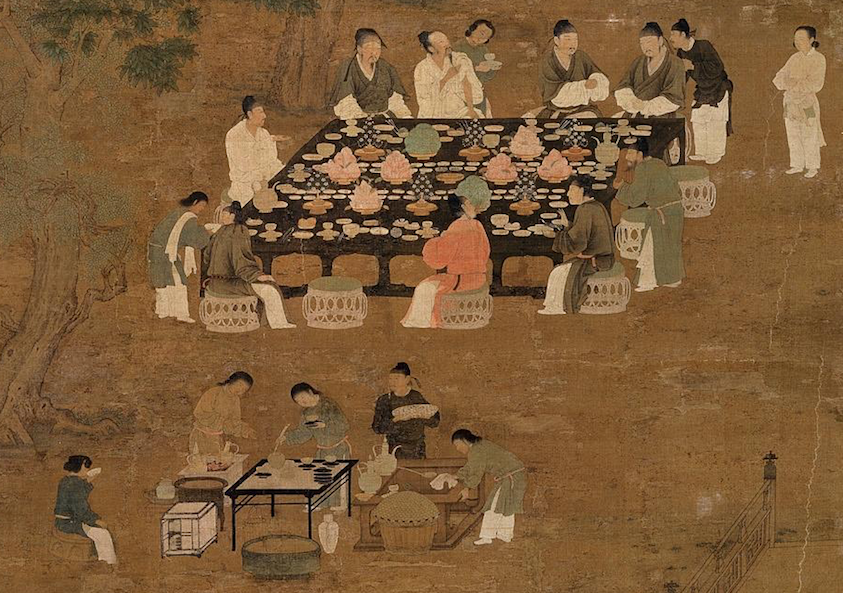 Song Dynasty (960–1279) / Hanging scroll, ink and color on silk
72 3/4″x48 3/4″ / National Palace Museum, Taipei
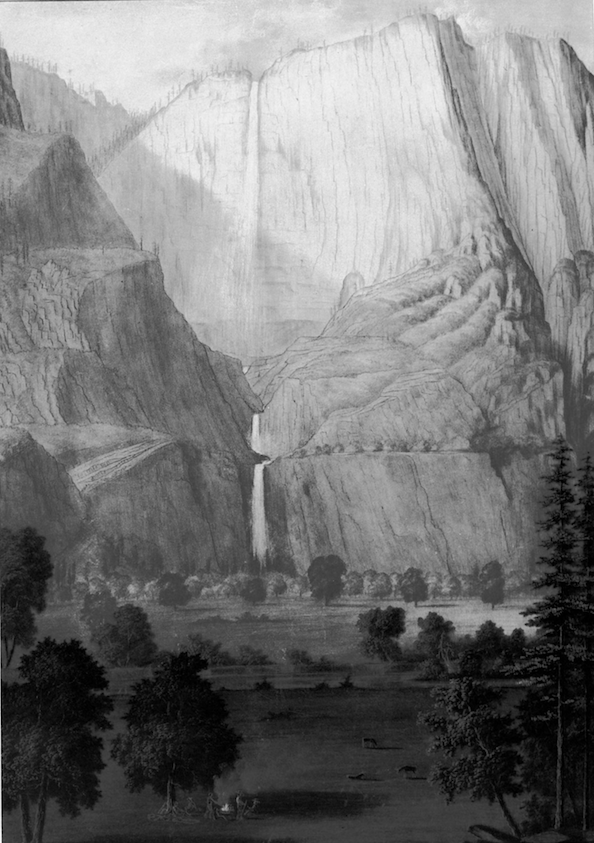 1855 / Charcoal, white chalk and pencil on paper / 19 5/8″x13 2/3″ / National Park Service Museum Collections
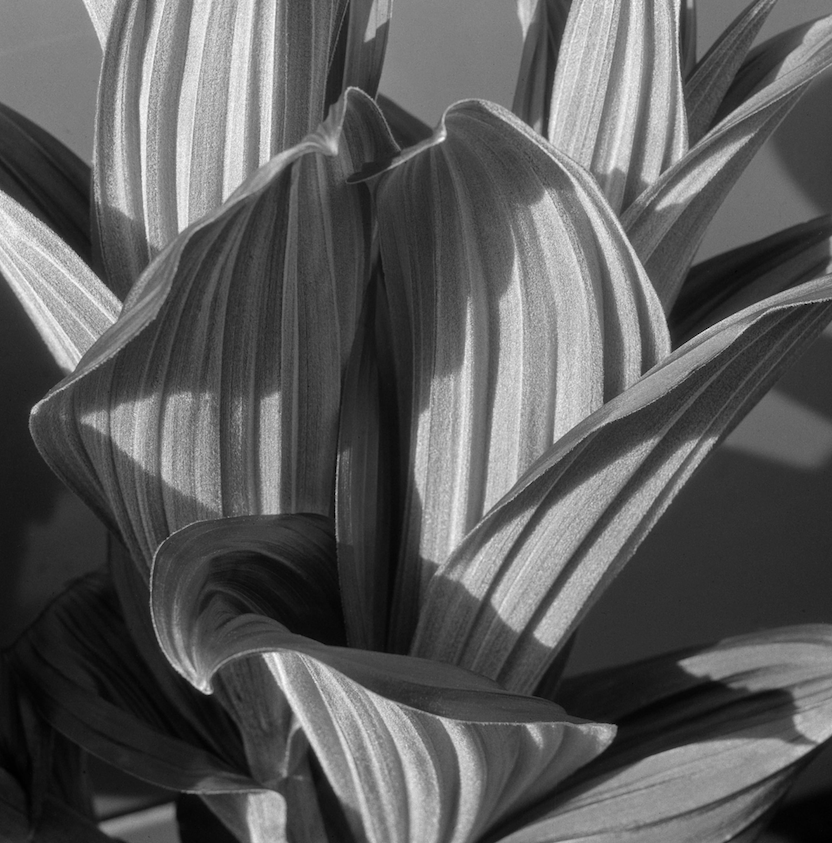 1926 / Gelatin silver print / 8 3/4″x9″ / Imogen Cunningham Archives, Imogen Cunningham Trust, Berkeley, CA
In 1932, with this unsentimental, straightforward approach in mind, Cunningham became one of the co-founders of the Group f/64, which aimed to “define photography as an art form by a simple and direct presentation through purely photographic methods”. ~Lumière On Line
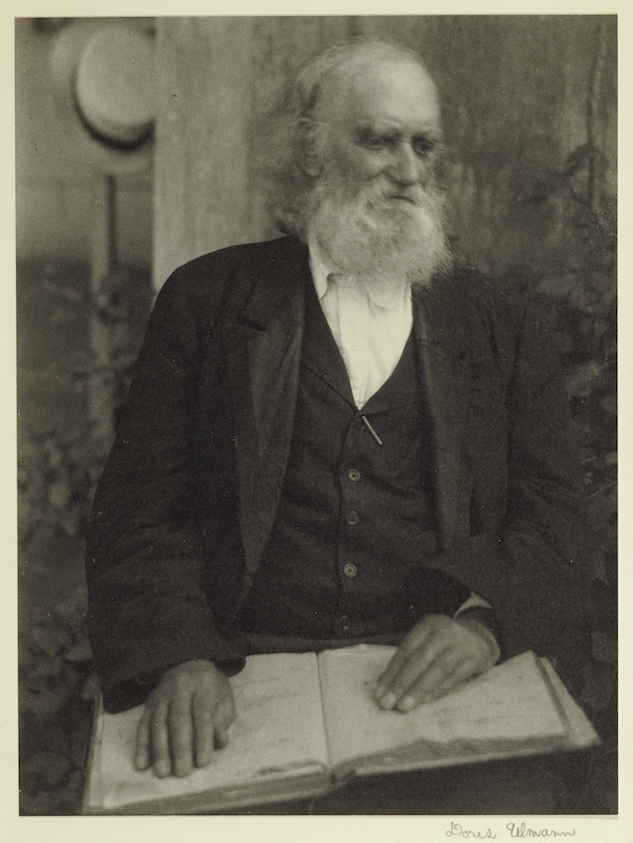 c.1925-1927 / Platinum print / 8 1/16″x6″
Various collections including The J. Paul Getty Museum, Los Angeles, CA
Her photographs helped change the way we perceive and therefore represent the people she photographed, from quaint, picturesque peasants to individuals with dignity and purpose in the modern world. ~Prints & Photographs Reading Room, LOC
 c.1900-1904 / Platinum print / Image: 8 1/4″x6 1/4″ / Smithsonian American Art Museum, DC
Because her photographic activity was not reported in Selma newspapers and was completely unknown outside her family at her death, her images were apparently not intended to influence Alabamians’ ideas about race and culture. Instead, they are most appropriately viewed as Keipp’s personal appreciation of rural and small-town Alabama life and a means of artistic and perhaps social discovery.
~Encyclopedia of Alabama
 The Misty Miss Christy