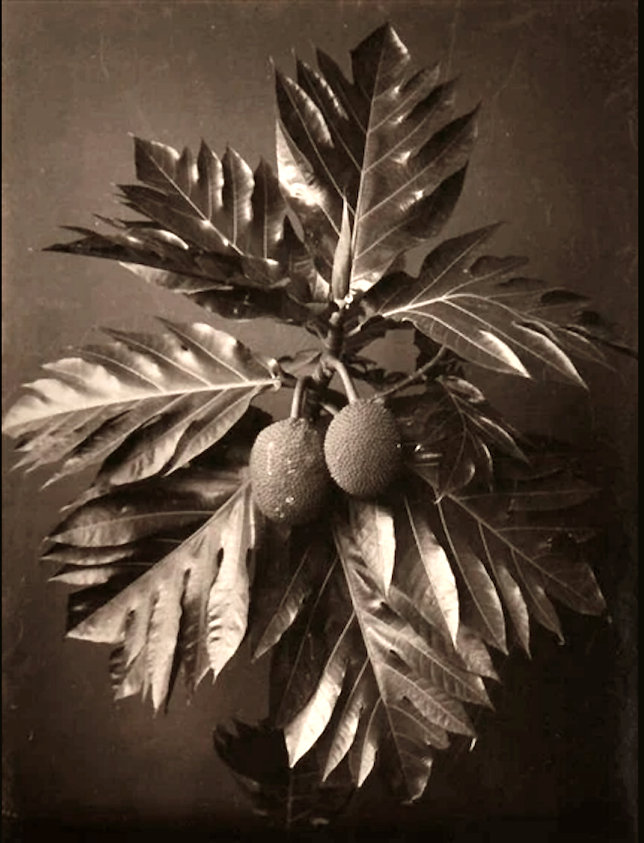
Born January 5~ Madame Yevonde

Madame Yevonde was the professional name of photographer Yevonde Cumbers.
Biography on British Council website:
http://visualarts.britishcouncil.org/collection/artists/yevonde-madame-1893
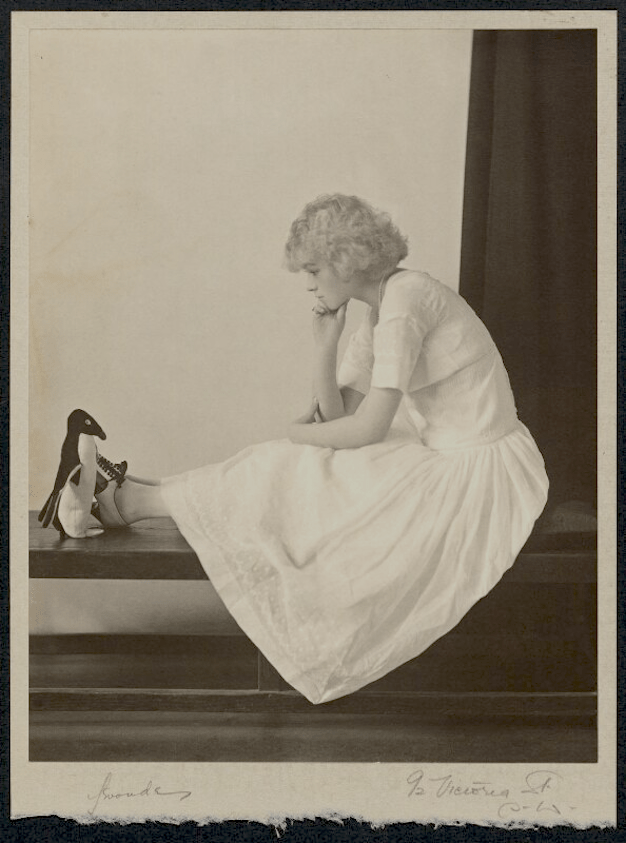
Writer, artist and dancer Doris Louise Cleghorn Church / c.1915
Matte collodion printing-out paper print / National Portrait Gallery, London, UK

Motor-racing driver and aviator Jill Scott / Photographed 1938
Modern Vivex colour print, 1990 / National Portrait Gallery, London, UK

Madame Yevonde, NPG collection: https://www.npg.org.uk/collections/search/person/mp06547

Further reading:
https://awarewomenartists.com/en/artiste/madame-yevonde/
https://hundredheroines.org/historical-heroines/madame-yevonde-hundred-heroines/
https://www.theglassmagazine.com/madame-yevonde/
National Native American Heritage Month~ November 14

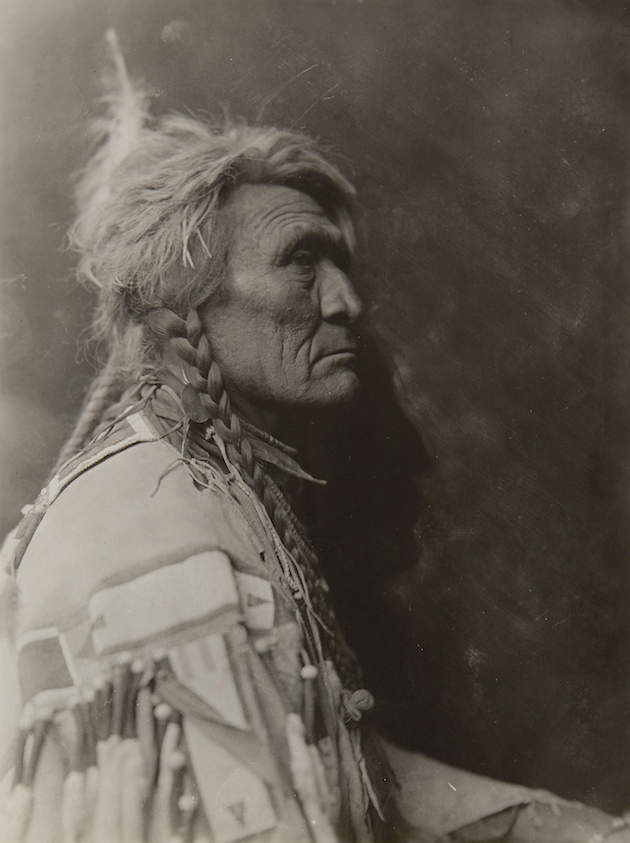
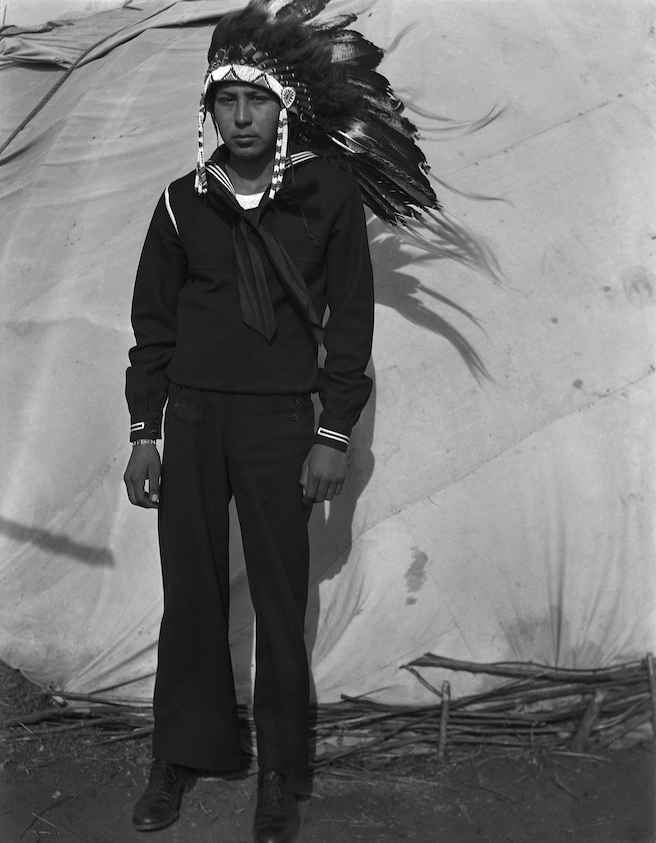
A portrait of Wolf, a Crow man, by Richard Throssel

Born in Marengo, Washington in 1882, Richard Throssel was of Canadian Cree, Scottish and English Heritage. He moved to the Crow Reservation in 1902 to join his brother as a clerk in the Indian Service office.

Throssel was an aspiring photographer and was influenced by several of the artists he met on the reservation, such as painter Joseph Henry Sharp and photographer Edward S. Curtis. However, unlike these other artists, Throssel was adopted into the Crow tribe in 1906. [i]

c.1910 / Gelatin silver print from 6 1/2″x8 1/2″ glass plate negative
Various collections including Museum of Photographic Arts, San Diego, CA

[There are three embedded links above]

[i] “TBT-Richard Throssel.” Sheridan Community Land Trust, November 30, 2023.
https://sheridanclt.org/projects/tbt-richard-throssel-2/

National Native American Heritage Month~ November 12

1902 Graduating Class of the Cherokee Female Seminary
by Jennie Ross Cobb

Cobb’s time as a photographer was brief — the majority of her work comes from a three-year period between 1902 and 1905, after which she put down her box camera to focus on her work as a teacher at Cherokee Nation public schools. Her surviving photographs have secured her reputation as the first-known female Native American photographer in Indian Territory…[i]

c.1902 / Photograph / Dimensions not available / Oklahoma Historical Society, Oklahoma City, OK

[There are three embedded links above]

[i] Chavez, Will. “Images from the First-Known Native American Female Photographer.” High Country News, March 25, 2022.
https://www.hcn.org/issues/54-4/indigenous-affairs-photos-images-from-the-first-known-native-american-female-photographer/

National Native American Heritage Month~ November 10

“Starsh” Thlinket Indian of Saxman, Alaska
by
Benjamin Alfred Haldane

[B.A. Haldane’s] formal schooling was cut short when after completing the third grade he was told by [lay missionary William] Duncan that “there was nothing more for him to learn.” Undiscouraged, he continued his education on his own by purchasing books with the wages from the salmon cannery. He trained himself in both photography and music, mastering the piano, pipe organ, cornet, trombone, and violin in addition to composing orchestral music and translating ancient Tsimshian songs to sheet music. [i]

1897 / Photograph / Dimensions not available
Sir Henry Wellcome Collection, National Archives at Seattle, WA

[There are three embedded links above]

[i] Passalacqua, Veronica L. 2023. “Benjamin Alfred Haldane, Frederic Ridley, Metlakahtla, Alaska. Carpenter Who Built the Girl’s Home.” Ucdavis.Edu, January 5, 2023. https://gormanmuseum.ucdavis.edu/collection-piece/benjamin-alfred-haldane-frederic-ridley-metlakahtla-alaska-carpenter-who-built

National Arts and Humanities Month~ October 28

Lee Krasner, Springs, New York by Irving Penn

1972 / Gelatin silver print / Paper: 9 15/16″x8 1/16″ / ©The Irving Penn Foundation
From the exhibition “PROOF: Photography in the Era of the Contact Sheet”

[There are five embedded links above]

CONTACT SHEET: After a roll of film was developed, the negatives were cut into strips and printed by contact. The 36 exposures of a roll of 35 mm film or the 12 exposures of 2¼ inch film fit comfortably on an 8 x 10 inch sheet of paper. With an 8 x 10 inch enlarger, the same array of negatives could produce a so-called enlarged contact, often measuring 16 x 20 or 20 x 24 inches.
~ https://www.clevelandart.org/exhibitions/proof-photography-era-contact-sheet-collection-mark-schwartz-and-bettina-katz