Lady at the Piano by Natan Isayevich Altman
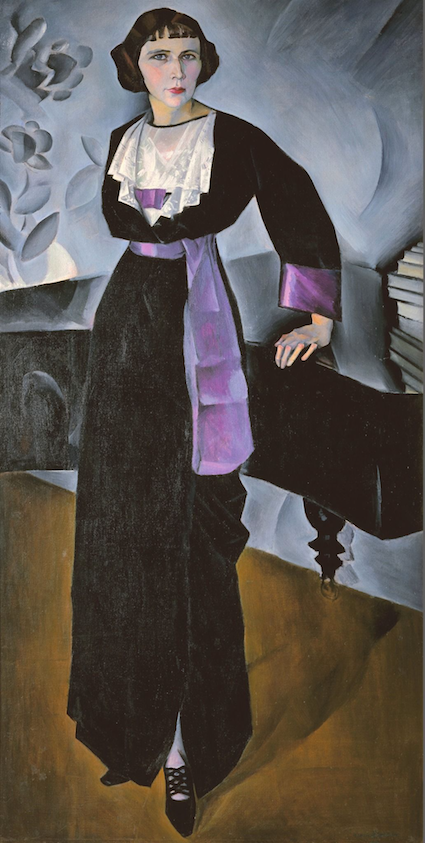 1913 / Oil on canvas / 71 1/2″x35 1/2″ / Tretyakov Gallery, Moscow, Russia
1913 / Oil on canvas / 71 1/2″x35 1/2″ / Tretyakov Gallery, Moscow, Russia
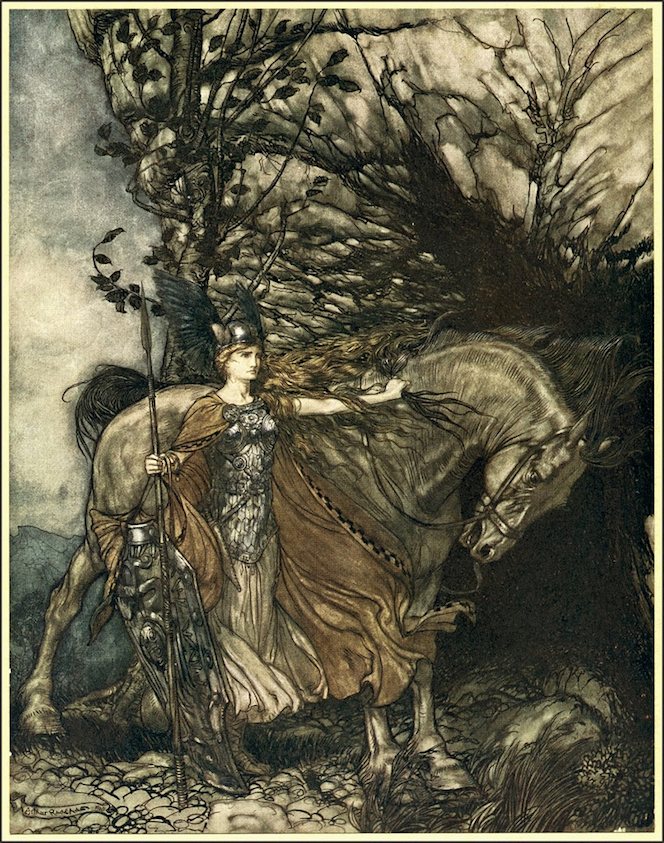 1910 / Pen and Ink and Watercolor / 18 1/2″x14 1/3″ / Illustration for The Rhinegold & the Valkyrie
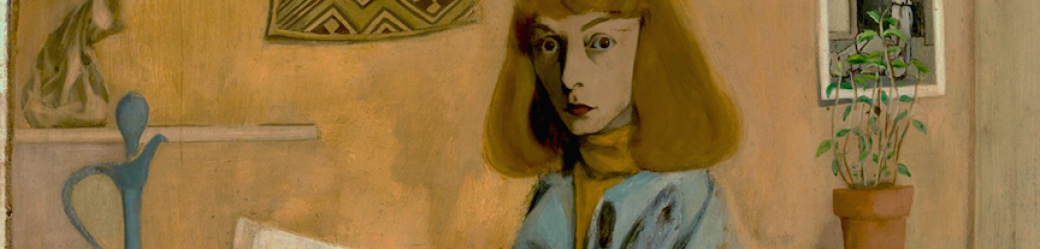
 c.1934 / Tempera with oil on canvas, mounted on panel
45″x38″ / The Nelson-Atkins Museum of Art, Kansas City, MO
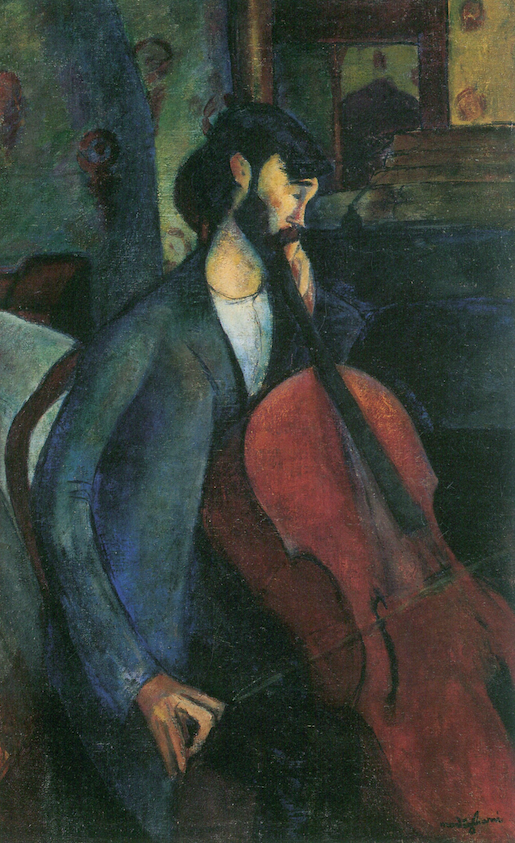 1909 / Oil on canvas / 51″x31 1/2″ / Private Collection
 1933 / Silver print / 13 1/2″x10 1/2″ / Private collection
Who was Hazel Scott?
https://www.classicfm.com/discover-music/instruments/piano/hazel-scott-jazz-entertainer-fought-racial-segregation/
Mona Lisa (opera) by Max von Schillings
“Mona Lisa was composed in 1914, apparently in a matter of weeks, following an earlier meeting in 1911 with the poet Beatrice Dovsky, whose play on the life of Lady Godiva Schillings had intended to set for the opera stage. When she handed him her poem Mona Lisa he was immediately inspired by the romantic, albeit entirely fictional, story of the woman with the most famously enigmatic smile in history, her husband and her lover – a classic operatic ménage a trois.”
~ https://momh.org.uk/exhibitions/max-von-schillings-and-the-opera-mona-lisa/
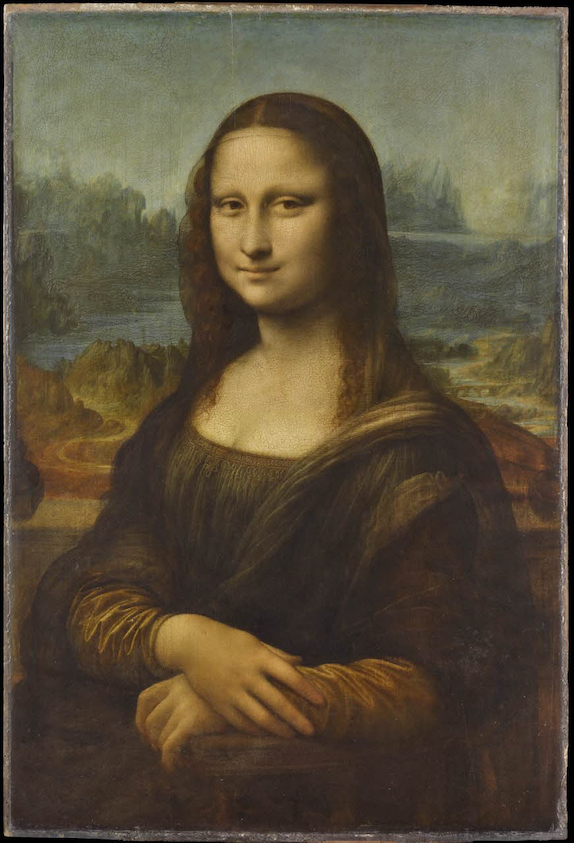 c.1503-19 / Oil on poplar panel / 30″x21″ / The Louvre Museum, Paris, France
 1937 / 57 1/8″x40 3/8″ / Oil and sand on canvas / Private collection
Poster advertising a production of Newmarket, a racing comedy with music by F. Taylor and E. B. Jones performed by Alexander Loftus’s Musical Comedy Company at the Opéra Comique, London
~http://collections.vam.ac.uk/item/O712130/poster-hassall-john/
 c.1896 / Color lithograph on paper / 30″x20″ / Various collections
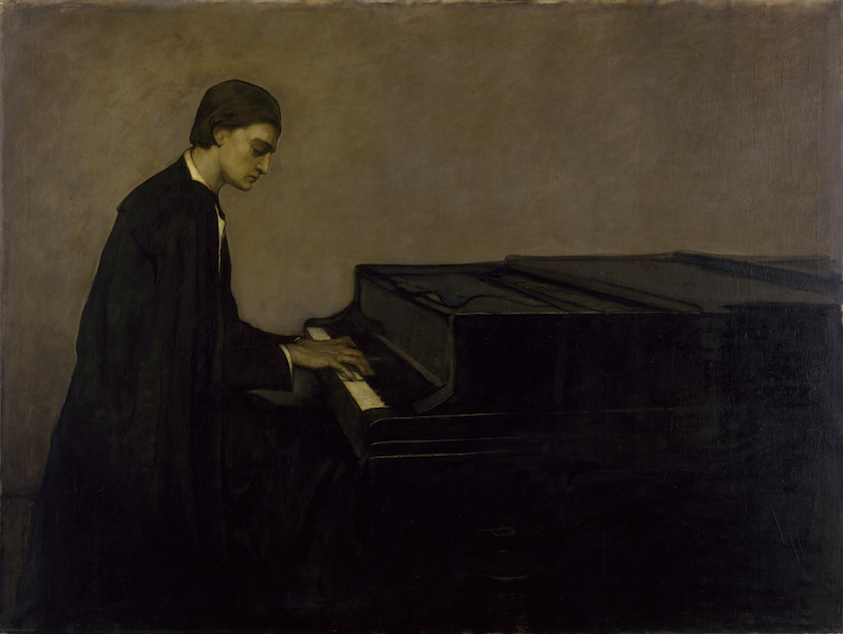 1920 / Oil on canvas / 55 7⁄8″x74 1⁄4″ / Smithsonian American Art Museum, DC
Goyescas, Op. 11: V. Love and Death – ballade by Enrique Granados
“The title comes from Goya’s Caprichos, and according to Granados: ‘All of the themes of Goyescas are united in El amor y la muerte… intense pain, nostalgic love and the final tragedy – death. The middle section is based on the themes of Quejas o la maja y el ruiseñor and Los requiebros, converting the drama into sweet gentle sorrow…the final chords represent the renunciation of happiness.’”
~ https://interlude.hk/music-art-goya/
 1797-1798 / Etching, aquatint, and burin / Plate: Plate: 8 9/16″x5 7/8″ / Various collections
 The Misty Miss Christy