This English late 18th-century painter had early professional success and produced a huge amount of work, in spite of leading a dissolute life and often being drunk, in hiding from his creditors, or in prison.
This designer, illustrator, co-founder of Pushpin Studio, and 2009 National Medal of the Arts award recipient (the first graphic designer to receive this award) also founded New York Magazine with Clay Felker.
Which American painter and printmaker served in the US Air Force during WWII, and began to paint while hospitalized for several years after being injured during test flight maneuvers?
Which artist is considered one of the leading figures of the Arte Povera — “poor art” — movement, which took place between the end of the 1960s and the beginning of the 1970s in Italy?
What Pennsylvania artist and collector built his tile factory, museum, and house using coarse-textured and unconcealed reinforced concrete, an especially unusual building material for a house?
Of what artist did a writer for the Chicago Daily News state in 1934: “[He] might have developed into America’s greatest painter had he not chosen to become America’s greatest art teacher”?
This American painter best known for her portraits of children once noted, “Although I was born in 1865 in San Francisco, it was not until sixteen years later that I started to live, for in 1881 I entered the National Academy of Design”.
In 1897 this Swedish sculptor made what he thought was a temporary stop in Paris on his way to Chile, where he was due to manage a school of gymnastics; instead, he remained in Paris, where he studied art.
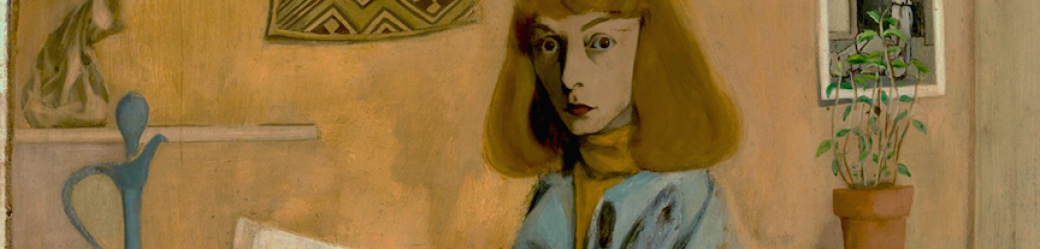
What British artist of the Post-Impressionist era focused on only a few subjects—mostly three-quarter portraits of a solitary woman, stark interiors, or quiet still lifes?
What artist was one of the first to paint using an opaque projector, basing his images on photographs culled from television, newspaper and magazines?
For decades this artist’s “Daniel in the Lion’s Den” (1896) was the only painting by an African American exhibited in the Louvre in Paris.
In the 1950s, the State Department revoked this artist’s passport because he was suspected of being a Communist; however, he sued for its reinstatement and emerged victorious in a landmark Supreme Court case.
In his later years this 16th century Italian architect and sculptor was influenced by Counter-Reformation piety, repudiating his earlier nude sculptures as lustful and designing several austere buildings for the Jesuits.
This painter and illustrator was also a writer for Life and Judge, and even wrote and acted in silent films, but his most famous achievement is his painting of Uncle Sam pointing at the viewer with the caption “I Want YOU for U.S. Army”.
This artist was the leading painter of Roman monuments and ruins during the 18th century, especially popular with English and French visitors who desired souvenirs of their travels in Rome.
This artist is renowned for his visual explorations of metamorphosis, complex architectural mazes involving perspectival games, and the representation of impossible spaces.
What Russian painter and designer followed her early Impressionist period in the early 1900s with a succession of styles including a near-abstract Rayonist style, Cubism, Futurism and other idioms?
What artist, closely associated with the development of Pop art in the early 1960s, frequently affixed everyday objects such as tools, rope, shoes, articles of clothing, and even a bathroom sink to his canvases?