February 8~ African-American visual artists

Nancy Elizabeth Prophet (1890-1960)
Sculptor; first African-American to graduate from RISD
https://en.wikipedia.org/wiki/Nancy_Elizabeth_Prophet

Untitled (Head) / c.1930 / Wood / Head without base: 12 1/2”x6 1/2”x7”


Beulah Woodard (1895-1955)
Early California African-American sculptor and painter
https://en.wikipedia.org/wiki/Beulah_Woodard

Maudelle / 1937 / Ceramic bust / 12”x12”

February 7~ African-American visual artists

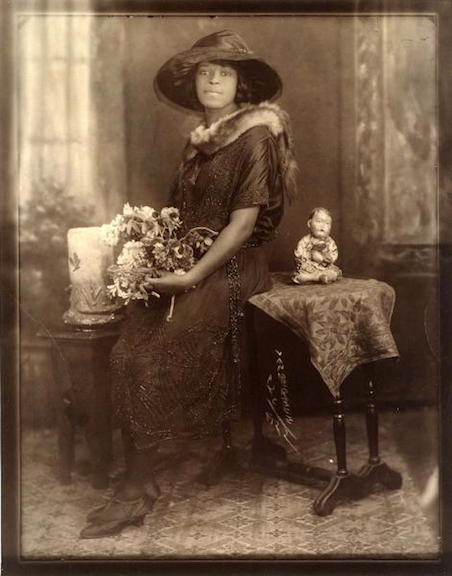
James Van Der Zee (1886-1983)
African-American photographer during the Harlem Renaissance
http://www.howardgreenberg.com/artists/james-van-der-zee

Evening Attire / 1922 / Gelatin silver print / 8”x10”


Sargent Johnson (1888-1967)
African-American sculptor in early 20th century San Francisco
https://www.britannica.com/biography/Sargent-Johnson

Forever Free / 1933 / Wood and paint / 36”x11 1/2”x9 1/2”

February 6~ African-American visual artists


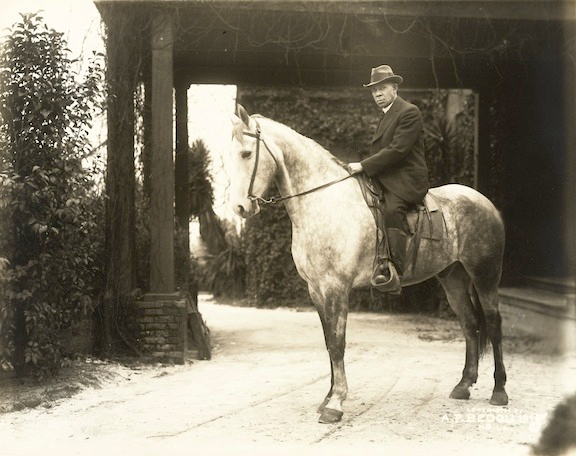
Arthur Paul Bedou (1880?-1966), African-American photographer based out of New Orleans
http://www.creolegen.org/2013/07/01/the-photographer-arthur-paul-bedou-1880-1966/

Booker T. Washington on Horseback / 1915 / Gelatin silver print / 7 1/2”x9 9/16″

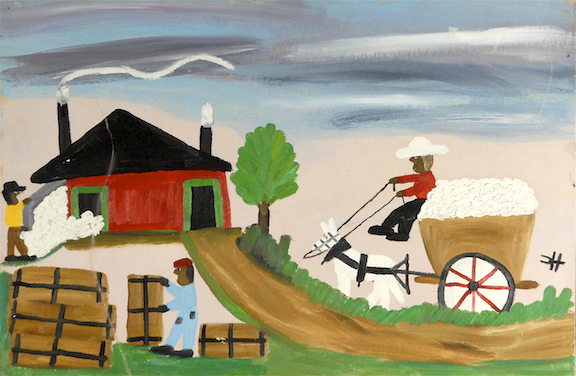
Clementine Hunter (c.1887–1988),  Self-taught African-American folk artist
https://nmwa.org/explore/artist-profiles/clementine-hunter

Bringing Cotton to the Gin / Oil on artist’s board / 16”x24”

February 5~ African-American visual artists

Henry Ossawa Tanner (1859-1937), First African-American painter to gain international acclaim
https://www.britannica.com/biography/Henry-Ossawa-Tanner

The Annunciation / 1898 / Oil on canvas / 57”x71 1/4”


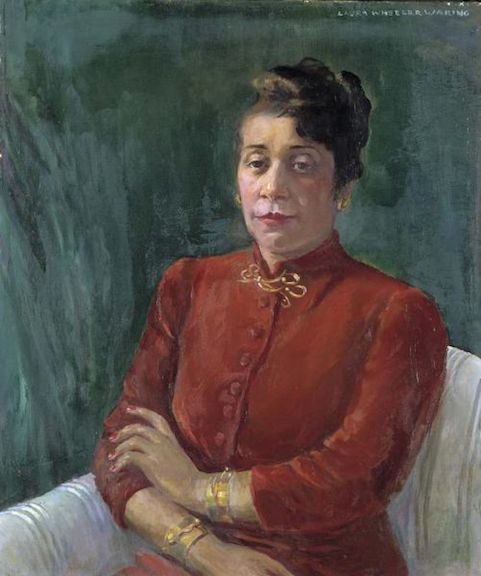
Laura Wheeler Waring (1877-1948)
African-American artist, illustrator, and educator
http://tmlarts.com/laura-wheeler-waring/

Portrait of Alma Thomas / c.1945 / Oil on canvas / 30”x25 1/8”

February 4~ African-American visual artists

Edmonia Lewis (1844-1907)
Neoclassical African-American and Native American sculptor
https://www.britannica.com/biography/Edmonia-Lewis

Hiawatha / 1868 / Marble / 13 3/4”x7 3/4”x5 1/2”


Bill Traylor (1853/54-1949)
African-American self-taught artist
https://americanart.si.edu/artist/bill-traylor-4852

Untitled (Radio) / 1939–42 / Opaque watercolor & pencil on printed advertising cardboard / 32 1/2”x24 1/2”

February 3~ African-American visual artists

Edward Mitchell Bannister (1828-1901), African-American painter of landscapes and pastoral subjects
https://americanart.si.edu/artist/edward-mitchell-bannister-226

Scene along the Connecticut River, Westmoreland / c.1870 / Oil on canvas / 30”x20”


Harriet Powers (1837-1910), African-American folk artist and quilt maker
https://www.civilwarwomenblog.com/harriet-powers/

Pictorial quilt / 1895–98 / Cotton plain weave, pieced, appliqued, embroidered, and quilted / 68 7/8”x105”

February 2~ African-American visual artists


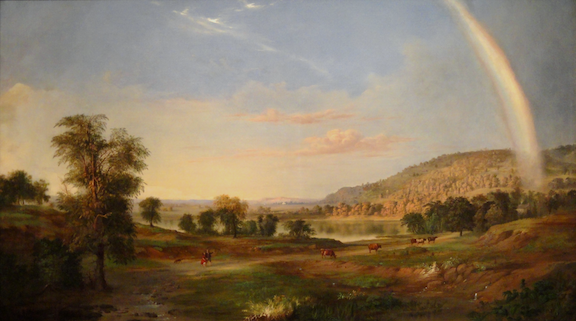
Robert S. Duncanson (1821-1872),  Nineteenth century African-American painter
https://www.google.com/culturalinstitute/beta/exhibit/NQJyYinFqXw_Lw

Landscape with Rainbow / 1859 / Oil on canvas / 30”x52 1/4”


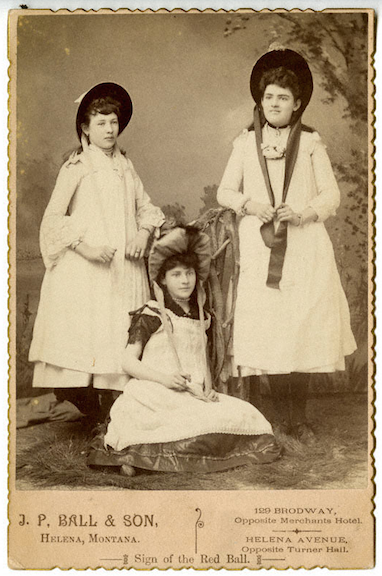
James Presley “JP” Ball (1825-1904)
African-American photographer, abolitionist, and entrepreneur
https://danishimmigrants.weebly.com/montana.html

Three girls photographed in Helena, Montana

February 1~ African-American visual artists


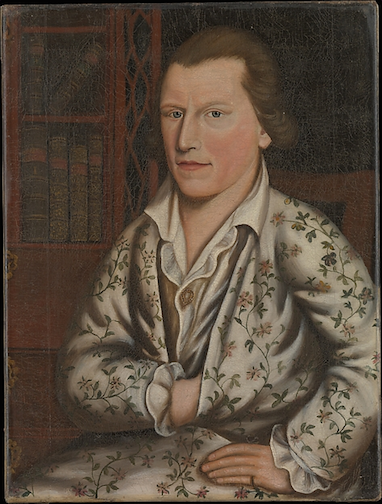
Prince Demah (c.1745 – March 1778)

African-American painter active in Boston in the late 1700s
https://outofthearchives.org/2015/01/10/prince-demah-portrait-painter

Portrait of William Duguid / 1773 / Oil on canvas / 20 3/4”x15 3/4”x1 1/8”


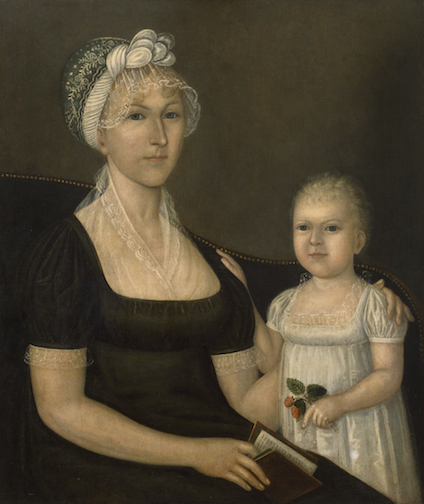
Joshua Johnson (c.1763-c.1824)
Biracial American painter
https://americanart.si.edu/artist/joshua-johnson-2479

Mrs. Abraham White, Jr., and Daughter Rose / 1808-09 / Oil on canvas / 30”x25 1/2”


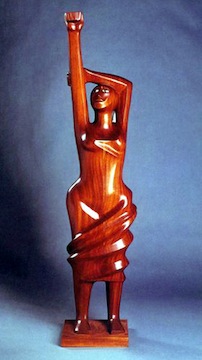
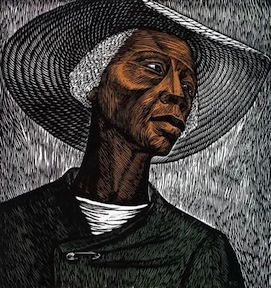
Elizabeth Catlett (April 15, 1915-April 2, 2012)

CatlettPic

Sculptor and printmaker Elizabeth Catlett used her art to advocate for social change in both the U.S. and her adopted country of Mexico for almost three-quarters of a century. The granddaughter of former slaves, Catlett was raised in Washington, D.C. Her father died before she was born and her mother held several jobs to raise three children. Refused admission to Carnegie Institute of Technology because of her race, Catlett enrolled at Howard University, where her teachers included artist Catlett1Loïs Mailou Jones and philospher Alain Locke. She graduated with honors in 1935 and went on to earn the first the first M.F.A. in sculpture at the University of Iowa five years later.
Grant Wood, her painting teacher at Iowa, encouraged students to make art about what they knew best and to experiment with different mediums, inspiring Catlett to create lithographs, linoleum cuts, and sculpture in wood, stone, clay, and bronze. She drew subjects from African American and later Mexican life.
In 1946, a grant from the Rosenwald Foundation enabled Catlett to move to Mexico City with her husband, Catlett2printmaker Charles White. There she joined the Taller de Gráfica Popular, an influential and political group of printmakers. At the Taller, Catlett met the Mexican artist Francisco Mora, whom she married after divorcing White and with whom she had three sons.
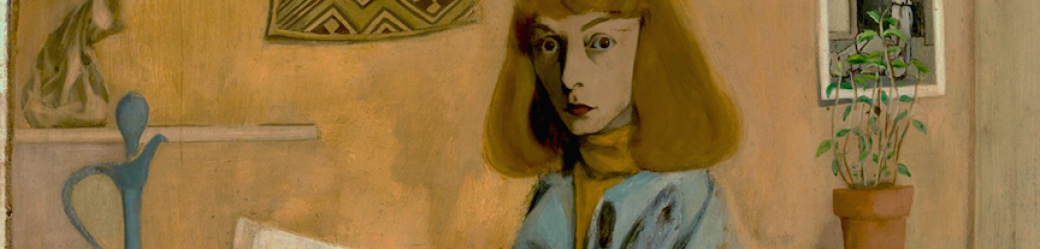
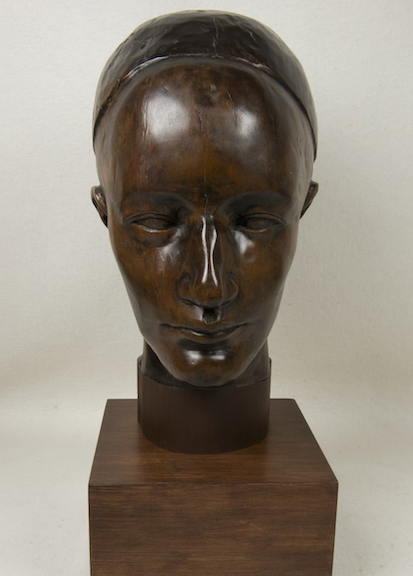
https://nmwa.org/explore/artist-profiles/elizabeth-catlett

Biography: https://www.elizabethcatlettart.com/bio
NYT~”Elizabeth Catlett, Sculptor With Eye on Social Issues, Is Dead at 96″: http://www.nytimes.com/2012/04/04/arts/design/elizabeth-catlett-sculptor-with-eye-on-social-issues-dies-at-96.html