This Spanish artist with a prolific output that includes over 20,000 paintings, prints, drawings, sculptures, ceramics, theater sets, costumes — and even plays and poems — spent most of his adult life in France.
This late-blooming American expressionist painter and printmaker studied biochemical engineering at City College of New York for three years before switching to fine arts in his last year.
This Italian Renaissance ceramist and sculptor was the nephew of Luca della Robbia and assumed control of the family workshop after his uncle’s death in 1482.
This 20th century Japanese painter practiced the nihonga style of painting, which uses traditional Japanese artistic conventions, techniques, and materials.
Which artist produced some of Italian Futurism’s most iconic paintings and sculptures, despite his premature accidental death during World War I?
Which contemporary Belgian artist was so taken by the way Japanese calligraphers placed paper on the floor and bent over to work that he adopted the method?
This late 17th century painter was one of the most sought-after Italian artists of the day and, until Pablo Picasso, the most prolific artist who ever lived.
This American sculptor went to Paris in 1950 to study; when he returned to the US he began to produce the junkyard scrap metal compositions he is known for.
This Italian sculptor completed more than 150 bronze sculptures, primarily of wildlife, working from live animal models at zoos and abandoning a piece if he could not complete it in one sitting.
This American photographer and filmmaker embraced the ideas of modern painting and sculpture but applied it to his photography, making him a pioneer in 20th century avant-garde photography.
Living only thirty-six years, and plagued by frequent illness, this painter rose from an obscure background to achieve fame in Paris during the eighteenth century.
This Swiss sculptor and painter is best known for the tall, unnaturally thin figures which he sculpted in the late 1940s, a period followed by his rapid rise to fame.
Which 18th century French sculptor’s designs of figure groups for the Sèvres Manufactory porcelain factory are better known than his large-scale sculptures?
Which American neoclassical artist is celebrated as the first female professional sculptor, credited with opening the field of sculpture to women?
What experimental artist, known for Abstract Figurative and Early Modern styles, was one of the first African-American artists working in California to achieve a national reputation?
What Quebec painter and sculptor was the only Canadian artist involved with the seminal post-World War II École de Paris (School of Paris)?
This artist’s 1893 essay, Das Problem der Form (The Problem of Form), asserted that truth is revealed in form, with subject matter of relatively minor importance.
This Swiss-French architect, designer, painter, urban planner, and writer was one of the pioneers of what is now called modern architecture.
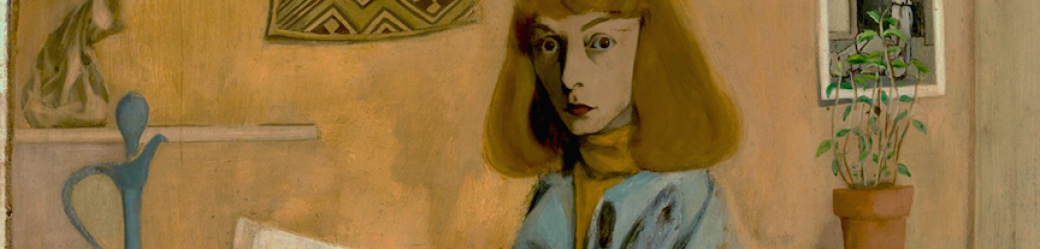
 The Misty Miss Christy