Which 18th Century Italian painter, from a family of artists, is considered to be among the last practitioners — along with his brothers — of the classic Venetian school of painting?
Which English sculptor and designer, being not as well known as some of his contemporaries, has been described as “the neglected genius of post-war British sculpture”?
What American experimental filmmaker, painter, and sculptor was best known for his films, which combine painting, hand-drawn rotoscoping, photographs, and other materials?
What photographer captured many of the defining images of the U.S. civil rights struggle, winning a Pulitzer Prize for his photograph of Coretta Scott King at the funeral of her husband?
Which French artist, most famous for his work as a sculptor of animals, made his critical and public mark with pieces representing predatory violence in the wild?
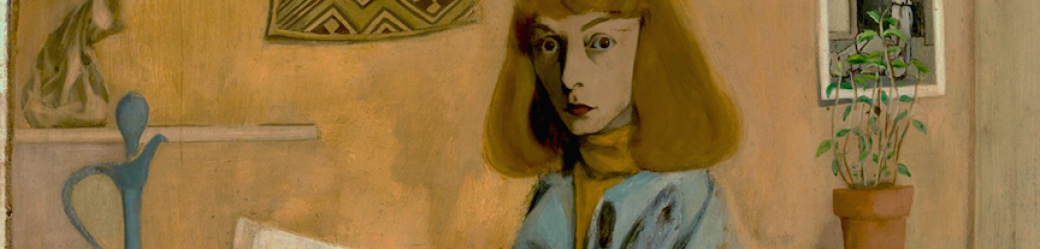
Which Dutch painter and sculptor, whose aristocratic family opposed her desire to become an artist, began to study art after she left her husband in 1923?
Which Belgian painter, introduced to the Surrealists in 1936, developed his own variation on Surrealism which changed very little until blindness forced him to give up painting in 1986?
Which American sculptor, known for her monumental assemblages, struggled financially for decades and was well into her 60s before she could depend on a steady income from her work?
This Eighteenth century French etcher and painter is credited with being the first artist to successfully introduce aquatint into his etched and engraved plates.
This American sculptor known for her works in bronze often turned to dancers for her sculptural themes, employing them to pose for her with musical accompaniment.
What artist and poet — a founding member of the Dada movement in Zürich in 1916 — referred to himself as “Hans” when he spoke in German and as “Jean” when he spoke in French?
What German-born American painter had his first one-man show at Harvard University while his paintings were being removed from German museums and destroyed as “degenerate art”?
Which American architectural sculptor (whose work ornamented more than 30 buildings) also designed and sculpted medals, the Newbury and Caldecott being his most famous?
Which American artist is best known for his vivid, frequently surrealist, depictions of Southern life that focus on the social issues of racial injustice and violence during the 1940s?
What sculptor’s fireplace mantel repair work for a stonecutting firm in Baltimore so impressed his customer William Walters, who would go on to found the Walters Art Museum, that he sponsored the artist?
What painter, sculptor, and printmaker, having found wild success with his LOVE image, chose to remove himself from the New York art world in 1978 and settled on the remote island of Vinalhaven in Maine?
This American artist’s functional pottery ended up in hundreds of collections, including the Louvre’s Musée des Arts Decoratifs in Paris, Boston’s Museum of Fine Arts and the Los Angeles County Museum of Art.
This Moscow-born artist, along with his co-founder of the Soviet Pop and Conceptual Art movement in Russia, emigrated to Israel, and then to New York, in response to their arrest and the destruction of their artwork.
 The Misty Miss Christy