Ceramic Artist Hayashi Kaku

Hayashi Kaku (b.1953) is a Japanese ceramic artist
https://www.internationalceramicsfestival.org/portfolio/kaku_hayashi/

Ceramics and Pottery Arts and Resources

In 1992, Kaku Hayashi was diagnosed with cancer; however, the tumour suddenly disappeared of its own accord. The experience affected her profoundly and she became concerned with the cycle of life and death and began making spherical ring pieces.

Quote from International Ceramics Festival, Aberystwyth, Ceredigion, Wales
https://www.internationalceramicsfestival.org/portfolio/kaku_hayashi/

Tea Bowl Entitled “Hana” / Stoneware with iron-rich glaze / Worcester Art Museum, MA
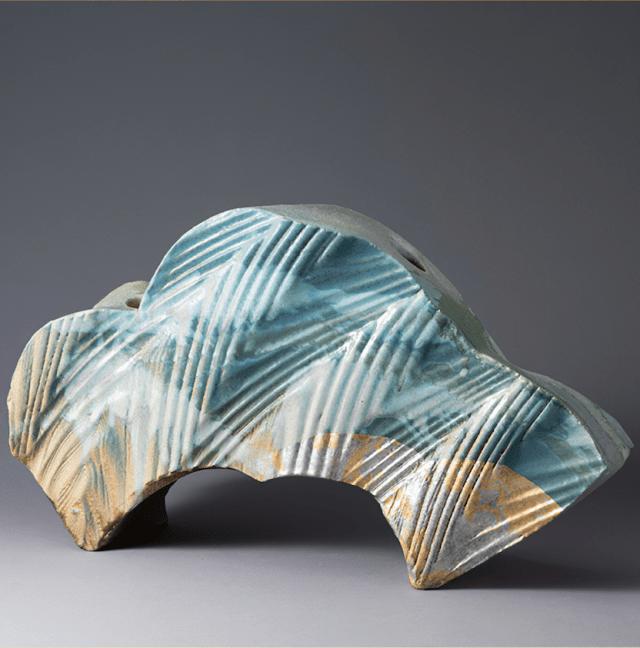
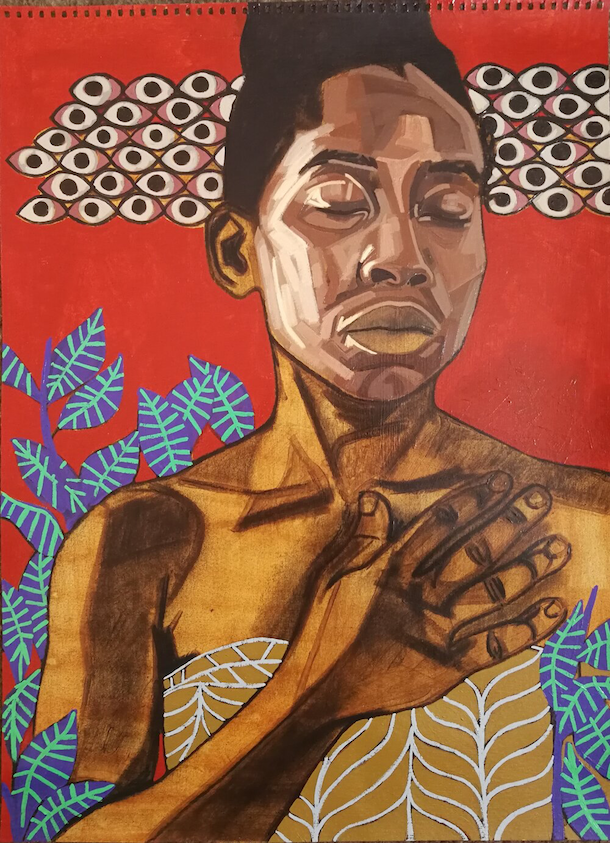
Wind: Blessing, 2022 / Glazed stoneware / Joan B. Mirviss LTD.
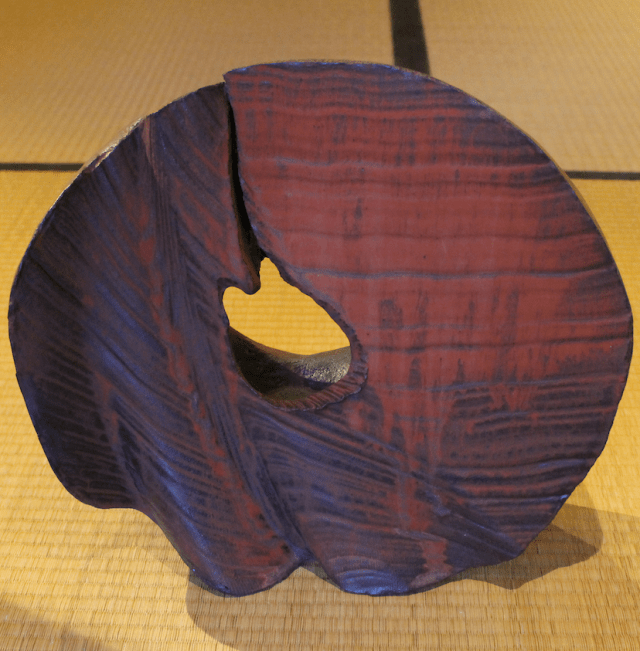
Zero / Glazed stoneware / Private collection
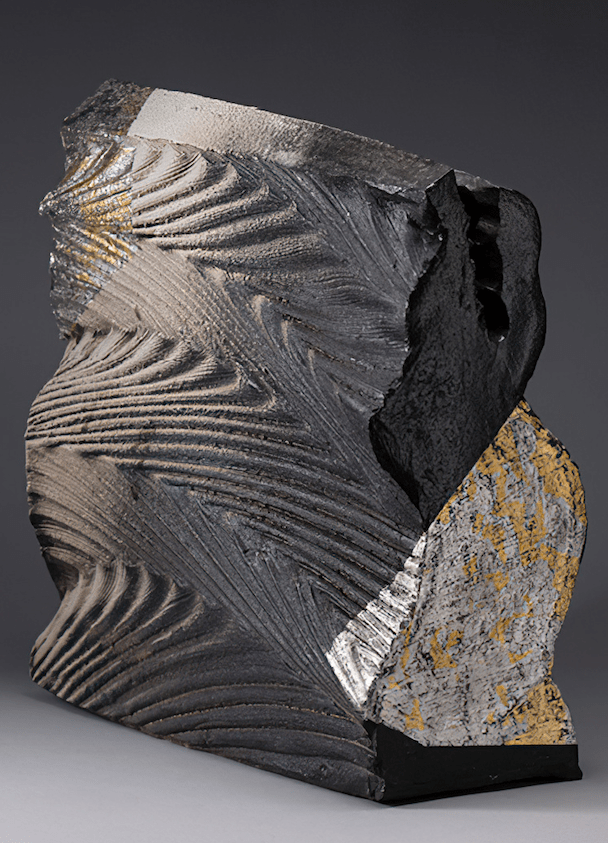
Prayer–Moonlight Ocean, 2022 / Glazed stoneware / Joan B. Mirviss LTD.

[5 embedded links above]

Further reading:
https://japanobjects.com/features/female-ceramic-artists
https://ceramicsmuseum.alfred.edu/exhibitions/teabowl/index.html
https://www.artsandartists.org/wordpress2019/wp-content/uploads/2018/07/prospectus-mingeiceramics.pdf

Autoportrait Day 359~ Zulmé Maspero

A random survey of self-portraits created by women through the centuries

19th century artist Zulmé Maspero (no dates)

Self-Portrait by Zulmé Maspero de la Mardel, c.1853 /
Oil on canvas / The Historic New Orleans Collection, LA

[2 embedded links above]

It was long believed that one of the three women in a large portrait of Emma Olivier, Olivia Olivier, and their sister-in-law, Zulmé, was an artist. A recent donation to The Historic New Orleans Collection of three portraits of the Olivier women included a circa-1853 oval portrait signed discreetly with a small letter “Z,” revealing Zulmé Maspero as the painter. The source of Maspero’s training is unknown, but her skill and technical proficiency are comparable with male painters of the same period.
FROM~ https://tfaoi.org/aa/9aa/9aa64.htm

Franz Marc (Animals in Art)

Aiming to recreate the animals ‘from the inside’, Marc made himself so complete a master of their anatomy that he felt qualified to teach classes on the subject, though in the end there were few takers. This anatomical knowledge gave him the ability to improvise. From this point on, Marc did not aim to merely copy nature, but to capture the spirit of nature and of ‘animal life’.
~FROM https://www.gseart.com/artist/franz-marc/bio

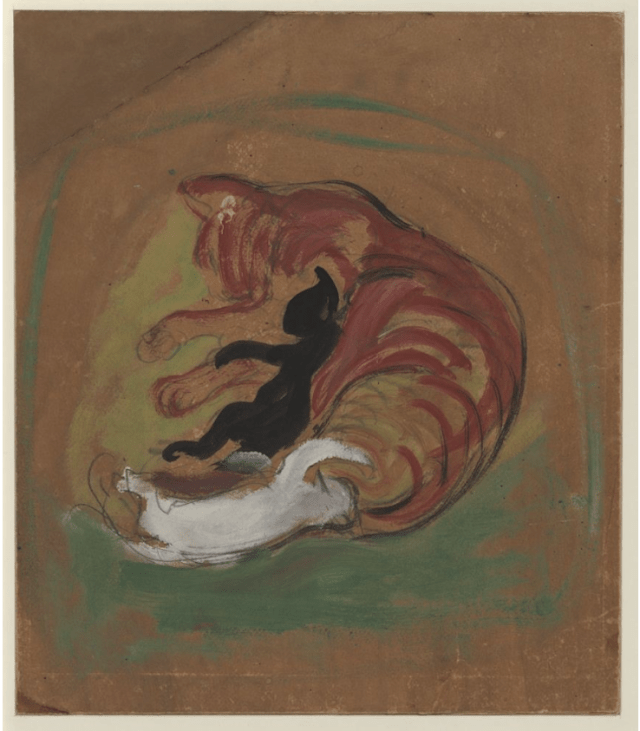
1. Katze mit Jungen, 1900-1916 / Tempera, oil, pencil on cardboard / Kunstmuseum Moritzburg, Halle, Germany

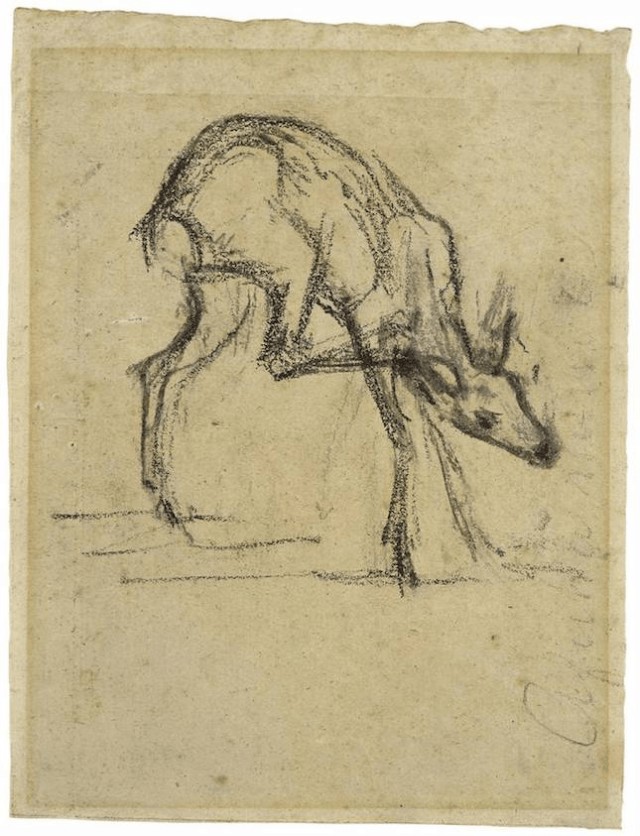
2. Sketch, 1908 / Crayon on paper / Private collection

3. Two Horses, 1908-09 / Bronze / Lenbachhaus München, Germany

4. Yellow Cow, 1911 / Oil on canvas / Solomon R. Guggenheim Museum, NYC

5. Tierlegende (Animal Legend), 1912 / Woodcut on Japanese paper / Various locations

[5 embedded links above]

Franz Marc~
https://en.wikipedia.org/wiki/Franz_Marc

Why Did Franz Marc Paint Animals?
https://www.thecollector.com/why-did-franz-marc-paint-animals/
Franz Marc and the animalization of art
https://smarthistory.org/franz-marc-animal-art/

C. Coles Phillips

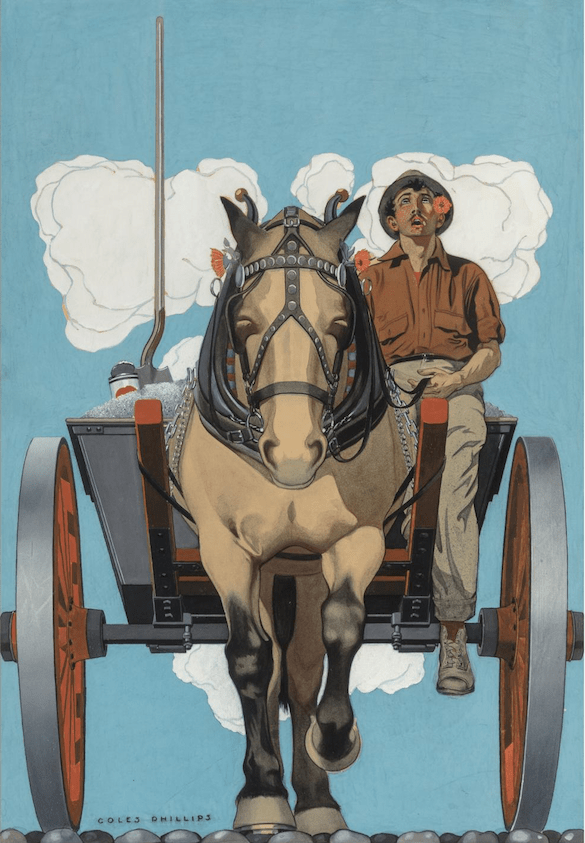
American illustrator Clarence Coles Phillips (1880-1927)

“In May 1908…he pioneered what came to be his signature design—a graphic human figure with a detailed face, hands, and feet, and with clothing in the same shade as the background. This design, called “The Fadeaway Girl” took the illustration world by storm…”
https://www.illustrationhistory.org/artists/coles-phillips

Cover for Life magazine, July 9, 1908

Cover for Good Housekeeping magazine, February 1915

Overland Automobile advertisement, c.1915

Original artwork for Collier’s, 1921 / Gouache and watercolor on board

Holeproof Hosery Company Advertisement, c.1923

[6 embedded links above]

Clarence Coles Phillips and Negative Space~
https://postcardhistory.net/2021/12/clarence-coles-phillips-and-negative-space/

Classic [Saturday Evening] Post Artist: Coles Phillips~
https://www.saturdayeveningpost.com/2013/04/classic-artist-coles-phillips/

National Museum of American Illustration~ https://americanillustration.org/project/coles-phillips/

Faith Ringgold by Alice Neel

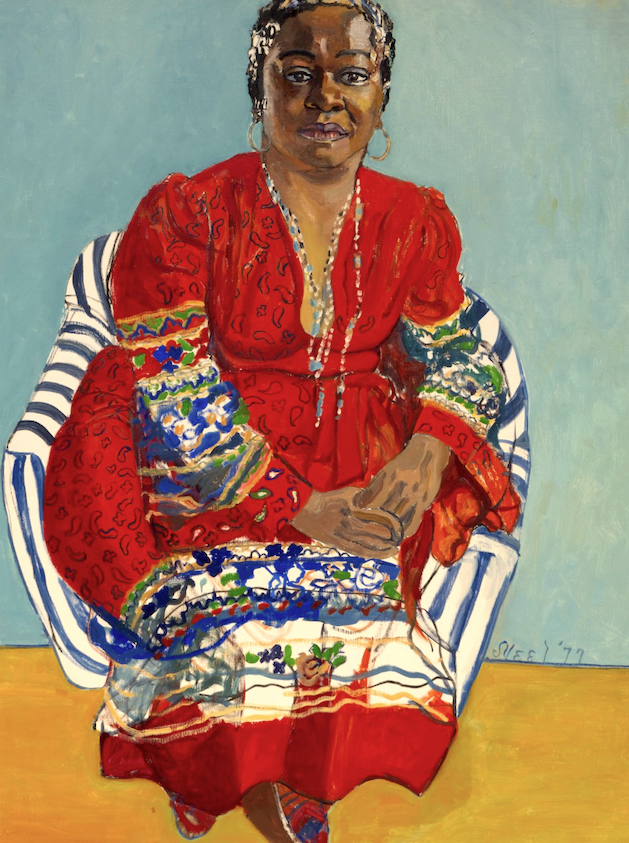
“I knew Alice had a way of painting people so that you saw them in ways you’d never seen them before. I didn’t want to be uncovered in that way. Now I kind of wish I had done it back then—because today I definitely wouldn’t pose in the nude. So anyway, I put on this red dress and my hair was braided with beads, because I had just come back from my trip and I thought the beads would go over well in Ghana and Nigeria, and that I could pass as an African—but they all knew I was American.”
~FROM https://www.culturetype.com/2019/08/27/a-portrait-of-faith-ringgold-painted-by-alice-neel-is-jordan-casteels-favorite-artwork/

Portrait of Faith Ringgold by Alice Neel, 1977 / Oil on canvas / Private collection

[3 embedded links above]

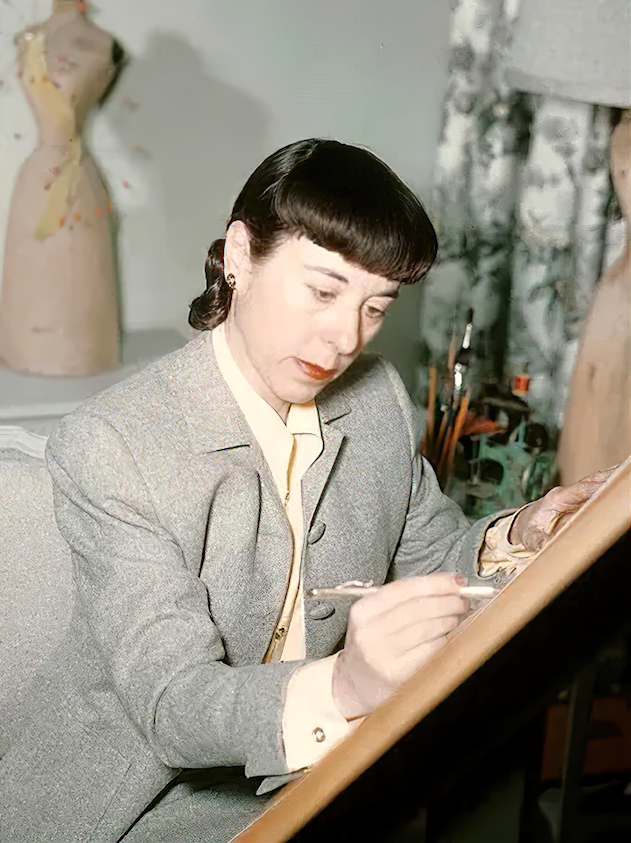
Designer Edith Head

Edith Head (1897-1981) was an American costume designer
https://en.wikipedia.org/wiki/Edith_Head

Image found on internet

Edith Head was…active in film from 1932 to 1982. She was the head designer at Paramount for many years. She married production designer Wiard Ihnen in 1940. Head was nominated by the Academy 35 times in the costume design category. She received Academy Awards for her work on THE HEIRESS (1949), ALL ABOUT EVE (1950), SAMSON AND DELILAH (1949), A PLACE IN THE SUN (1951), ROMAN HOLIDAY (1953), SABRINA (1954), THE FACTS OF LIFE (1960), and THE STING (1973). She authored two books, “The Dress Doctor” and “How to Dress for Success.”

Quote from The Online Archive of California
https://oac.cdlib.org/findaid/ark:/13030/c80k29tm/

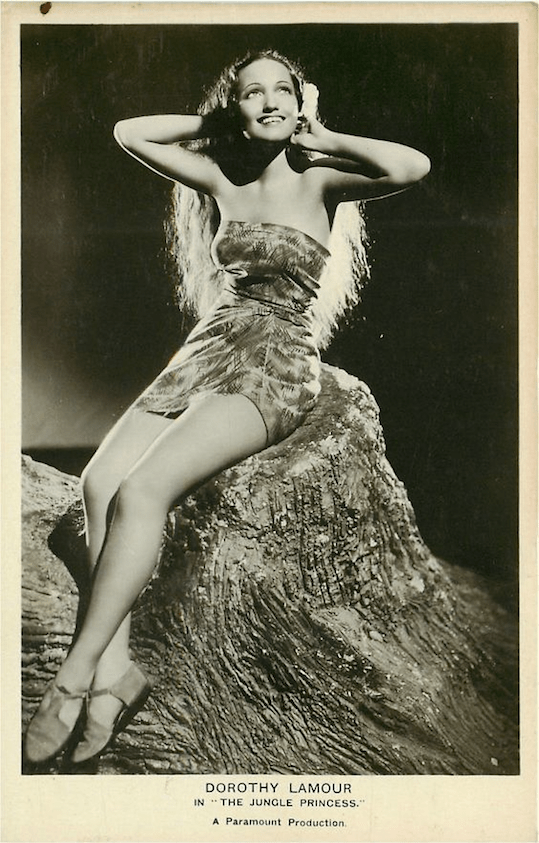
Dorothy Lamour’s sarong for the 1936 movie The Jungle Princess

Head won her first Academy Award for The Heiress (1949) in 1950

“Fasten your seatbelts” dress for All About Eve

Jacket and Slacks Design for for Kim Novak in Vertigo

Head won her last Academy Award for The Sting (1973) in 1974

[5 embedded links above]

Further reading:
https://www.thecut.com/2013/10/30-fantastic-movie-costumes-by-edith-head.html
https://fidmmuseum.org/category/edith-head
https://www.oscars.org/collection-highlights/edith-head

Autoportrait Day 357~ Ellen Carey

A random survey of self-portraits created by women through the centuries

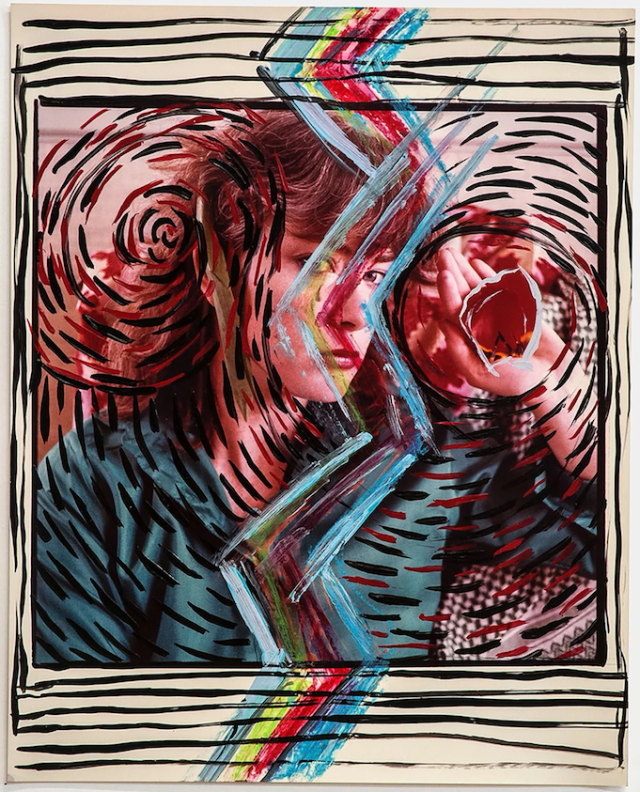
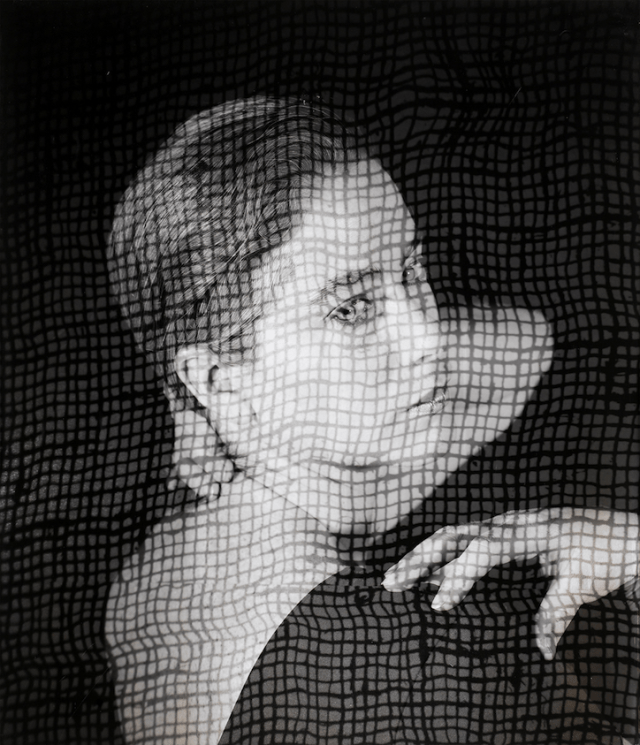
American photographer Ellen Carey (born 1952)

1. Self-Portrait with Tulip, 1978 / Unique Polaroid 20×24

2. Self-Portrait, 1984 / Unique Polaroid 20×24

3. Self-Portrait, 1984 / Double-exposure gelatin silver print

https://www.mbart.com/exhibitions/137/works/artworks-11767-ellen-carey-self-portrait-1987/

[5 embedded links above]

Noah’s Ark (Animals in Art)

In the Judeo-Christian flood story, God became angry with the sins of mankind. He told his faithful servant, Noah, to build an ark large enough for his family (which included eight people; his wife, his three sons and their wives) and two of every creature on earth. God delivered the promised deluge, killing everyone and everything on earth except the population of the ark.
~FROM https://www.pbs.org/independentlens/blog/a-flood-of-myths-and-stories/

Noah’s Ark by Edward Hicks, 1846 / Oil on canvas / Philadelphia Museum of Art, PA

[1 embedded link above]

Edward Hicks~
https://en.wikipedia.org/wiki/Edward_Hicks
https://bucksco.michenerartmuseum.org/artists/edward-hicks/

Genesis 5:32 to 10:1~
https://www.biblegateway.com/passage/?search=Genesis%205%3A32-10%3A1&version=NIV