Which German Expressionist painter and printmaker worked through a variety of styles before, at age 60, finding the technique in which he would work for the rest of his career?
Which French artist and photographer created an icon of the Surrealism movement when she represented the bestial nature of man with a close-up image of a baby armadillo?
What American landscape artist, member of a prominent Philadelphia family of engravers, apprenticed to his brother but by 1867 had decided to become a painter?
What Belgian Surrealist painter became a designer for a wallpaper factory and then did sketches for advertisements, before becoming a full-time painter in 1926?
This 17th century painter was celebrated for his portraits of animals, making them the focus of the picture and profoundly influencing the way animals were depicted in European art.
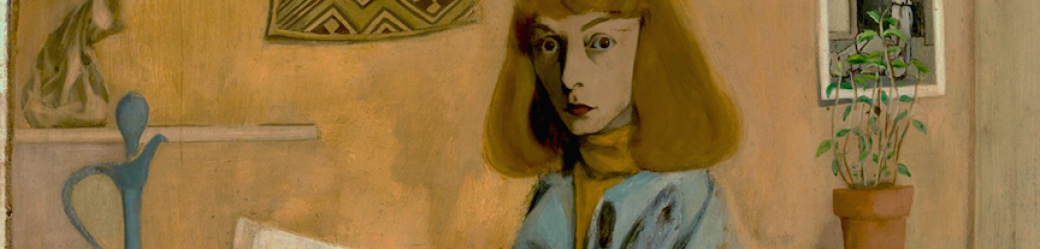
In 1968, this artist sought an official release from her vows as a Sister of the Immaculate Heart of Mary and dedicated the remainder of her life to her own pursuits as an artist.
This 16th century Italian artist established the local tradition of historical fresco painting through his many decorations of Genoese churches and palaces.
This Flemish artist was active in the southern Netherlands and was known for his many Counter-Reformation altarpieces and portraits.
What 16th century Florentine painter’s unemotional yet stylish technique for portraying his subjects went on to influence a century of European court portraiture?
What modern American artist collaborated with others in a range of disciplines and schools including mass-production, e.g. designing a table for Herman Miller still being sold today?
When this artist died in 1986 her ashes were scattered over New Mexico’s unique and vibrantly colored landscape, which she had painted for so much of her life.
This artist’s best-known works are paintings of everyday items such as sandwiches, gumball machines, cakes, and pies rendered in thick paint and and bright pop-art colors.
Which French Impressionist’s quest to capture nature more accurately also prompted him to reject European conventions governing composition, color, and perspective?
Which American Regionalist started his career as an illustrator of pulp magazines, and eventually won prominence with anecdotal paintings and murals reflecting social attitudes of the 1930s?
This early western photographer is best known for his mammoth-plate prints using 18”x22” glass plate negatives, but he actually published the majority of his work as stereoviews.
This French neo-impressionist painter was one of the originators of the technique known as pointillism or divisionism, created by scientifically juxtaposed small dots of pure color.