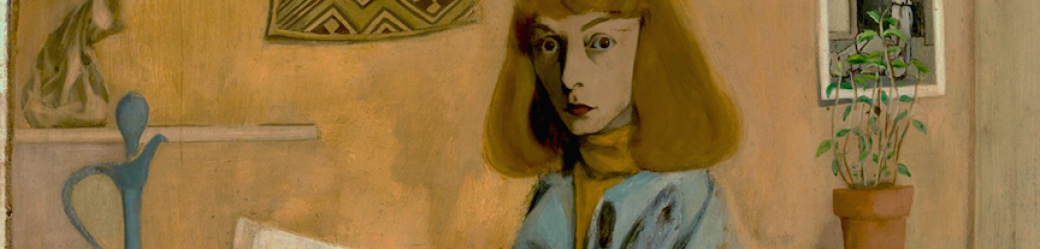
This artist’s 1893 essay, Das Problem der Form (The Problem of Form), asserted that truth is revealed in form, with subject matter of relatively minor importance.
This Swiss-French architect, designer, painter, urban planner, and writer was one of the pioneers of what is now called modern architecture.
Which 18th Century Italian painter, from a family of artists, is considered to be among the last practitioners — along with his brothers — of the classic Venetian school of painting?
Which English sculptor and designer, being not as well known as some of his contemporaries, has been described as “the neglected genius of post-war British sculpture”?
This photographer is known for her images of San Francisco’s Haight-Ashbury and for portraits of rock artists in the late 1960s, but she has also photographed landscapes and conceptual projects.
This Dutch Golden Age painter of pastoral landscapes, populated with mythological or biblical figures, was a member of the second generation of “Dutch Italianate landscape” painters.
What American experimental filmmaker, painter, and sculptor was best known for his films, which combine painting, hand-drawn rotoscoping, photographs, and other materials?
What photographer captured many of the defining images of the U.S. civil rights struggle, winning a Pulitzer Prize for his photograph of Coretta Scott King at the funeral of her husband?
What 16th century Venetian painter had an inscription in his studio that read “Michelangelo’s design and Titian’s Color”, seeking as he did to produce the compositional methods of Michelangelo while using the coloring of Titian?
What 17th century Italian artist’s practice of painting directly from posed models violated the idealism of Renaissance theory by establishing that painting could be an extension of everyday experience?
Which French academic artist was the most popular portrait painter of his day, exhibiting at the Paris Salon for the first time in 1844 and appointed professor at the École des Beaux-Arts in 1864, where he taught until his death?
Which painter, who moved to New York in 1950 as he was dissatisfied with the Japanese contemporary art scene, was the first Japanese-American artist working in the abstract-expressionist style to receive international acclaim?
To achieve accuracy in his enormous Raft of the Medusa, for which Eugène Delacroix posed as one of the figures, this painter used a model of the raft and carefully studied real cadavers.
This photographer was educated as a sociologist and was past thirty when he seriously took up photography; he saw the medium as a means of studying and describing the social conditions around him.