This Dutch Golden Age artist, specializing in richly detailed flower paintings and other still lifes, often included an image of a red admiral butterfly (symbolizing life, death and resurrection) in various locations within her paintings.
This American artist, once described as combining “bad taste and good ideas”, worked in every conceivable medium — found objects, textile banners, assemblage, collage, drawing, painting, sculpture, performance, music, video, and photography.
This artist blazed a spectacular but short-lived trail through Flanders during the second quarter of the 16th Century as a painter, draftsman, sculptor, architect, designer, writer, publisher, traveler and entrepreneur.
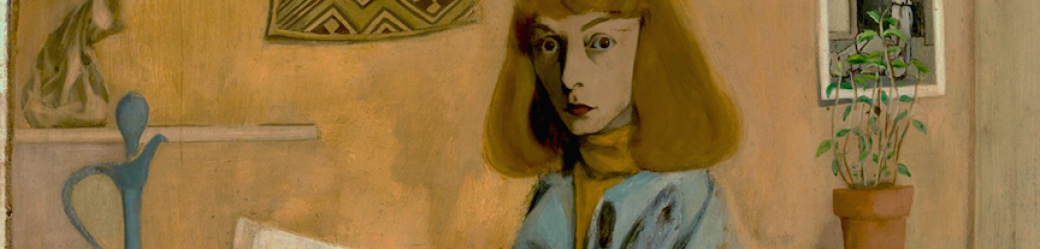
This painter was one of the artists dubbed the Irascible 18 after she and 17 prominent Abstract Expressionists signed an open letter to the director of the Metropolitan Museum of Art, accusing the museum of hostility to “advanced art”.
What member of the Impressionists group showed little interest in painting
plein air landscapes, favoring scenes in theaters and cafés illuminated by artificial light?
What Chinese Realism painter championed the revitalization of artistic expression through an integration of Western perspective and Chinese methods of composition?
Which Italian painter’s first known work is Susanna and the Elders (1610), painted when she was 17 and such an accomplished work that it was long attributed to her father?
Which Berlin-born artist’s father sent her to study in Munich when she became engaged in 1889, to persuade her to choose painting and printmaking over marriage?
What Seventeenth Century painter explained that, to him, various subjects made different demands on an artist and required very different expressive means to properly fulfill them?
What artist–renowned for drawings, paintings, prints, collages, and sculpture–drew the famous 1976 New Yorker cover “View of the World from 9th Avenue”?
What architect’s career spanned seven decades before his death in 1959 — during which he designed 1,114 architectural works, of which 532 were realized?
What artist moved his family and studio from NYC to rural New York just as he was achieving widespread recognition in 1951, remaining there for the rest of his life?
What French expressionist artist’s mature style as a painter was undoubtedly influenced by his work on the restoration of medieval stained-glass windows?
What German abstract artist, active mostly in France, was not only a famous painter but also among the most innovative photographers of his time?
 The Misty Miss Christy