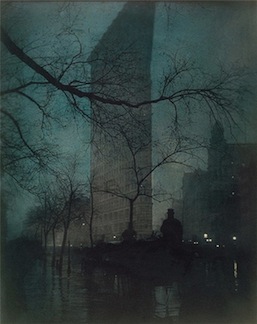
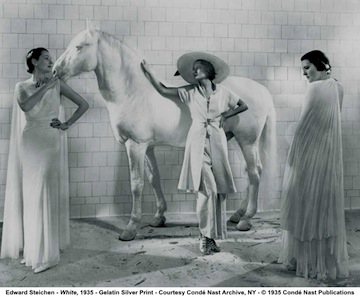
The audience for Steichen’s early photographs—readers of Camera Work, visitors to 291, and members of amateur camera clubs—were important within artistic circles, but their number was small compared to the audience he would address following the war. Indeed, Steichen’s large and painterly early prints, perhaps because of their rarity, are now far less known by the general public than his portraits of Greta Garbo, Marlene Dietrich, Gloria Swanson, and other celebrities that appeared in Condé Nast’s Vogue and Vanity Fair in the 1920s and 1930s, or his fashion and advertising photographs that shared those same pages. Moreover, while the circulation of Camera Work never topped a
thousand (and was often much less) and its intended audience was an intellectual elite, the Condé Nast publications catered to a much larger and broader readership, one hungry for just the sort of glamorous celebrity portraiture at which Steichen excelled.
FROM http://www.metmuseum.org/toah/hd/stei/hd_stei.htm
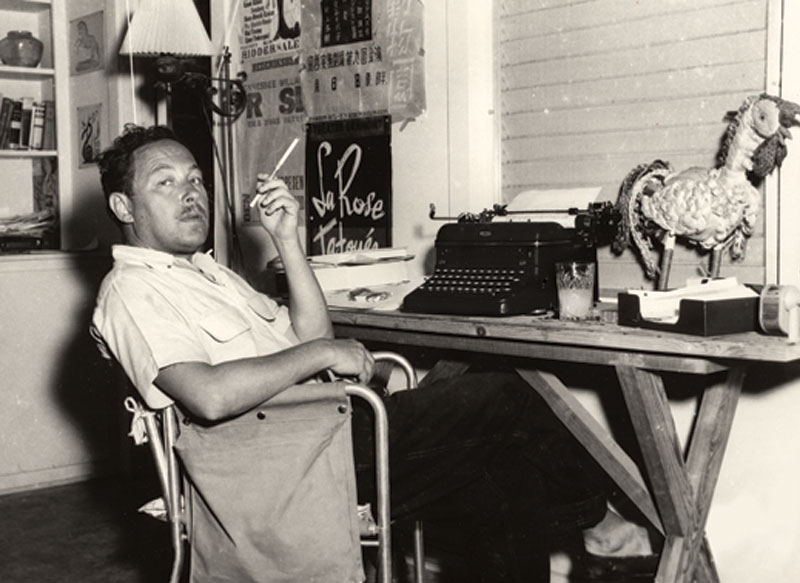
Tennessee Williams: Born on March 26, 1911
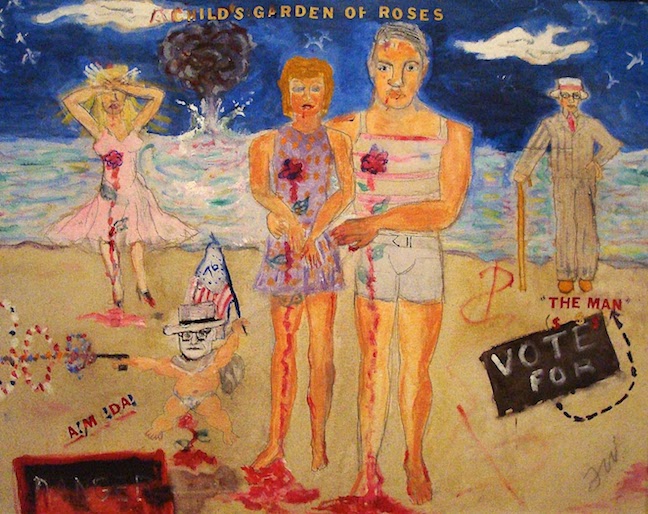
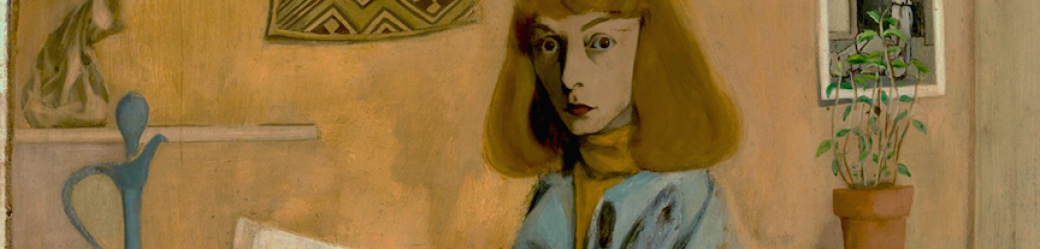
Williams first took up painting in the early 1960s when his career as a playwright ebbed. He often relaxed on the patio of his Key West home and painted. Williams’ patio was his preferred art studio. People frequently visited his house on Duncan Street and purchased his artwork before the paint was dry.
…Painting was a passion for him, almost to the point that it became a second profession. Toward the end of his life, Williams gradually gave up writing for painting; a less harsh way to express himself. Critics did not think as much of his painting as his plays, however his artwork remains widely popular among collectors.
FROM https://www.kwahs.org/exhibit/tw-painter/
https://www.washingtonpost.com/entertainment/museums/tennessee-williams-writer-poet-painter/2015/04/09/dc93fe00-c7fb-11e4-aa1a-86135599fb0f_story.html
http://hyperallergic.com/209906/the-lonely-private-paintings-of-tennessee-williams/
https://www.poetryfoundation.org/poems-and-poets/poets/detail/tennessee-williams
https://historicmissourians.shsmo.org/?page_id=3966
Arturo Toscanini: Born on March 25, 1867
https://www.gramophone.co.uk/musicians/artist/arturo-toscanini-47225
Perhaps the most internationally famous conductor ever, Toscanini rose to instant stardom when he put down his cello and jumped up to the podium to fill in for the conductor during a performance of Verdi’s opera Aida. It was 1886; he was 19, and it was the first time he’d ever conducted.
The last time he’d conduct a live performance was in 1954, 68 years later. By then, he was the first conductor to have appeared regularly on television, and was certainly considered the first true media star of the conducting world.
http://www.npr.org/templates/story/story.php?storyId=89059352
Edward Weston: Born March 24, 1886
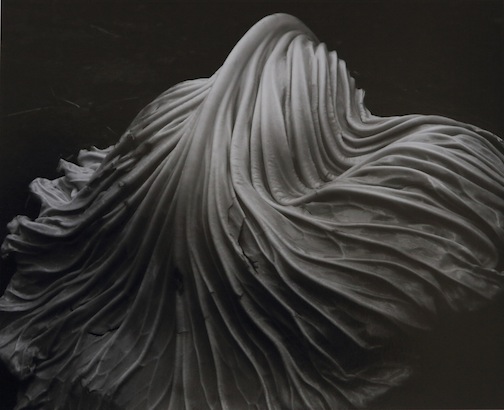
After moving back to California in 1926, Weston began his work for which he is most deservedly famous: natural forms, close-ups, nudes, and landscapes. Between 1927 and 1930, Weston made a series of monumental close-ups of seashells, peppers, and halved cabbages, bringing out the rich textures of their sculpture-like forms. Weston moved to Carmel, California in 1929 and shot the first of many photographs of rocks and trees at Point Lobos, California. Weston became one of the founding members of Group f/64 in 1932 with Ansel Adams, Willard Van Dyke, Imogen Cunningham and Sonya Noskowiak. The group chose this optical term because they habitually set their lenses to that aperture to secure maximum image sharpness of both foreground and distance. 1936 marked the start of Weston’s series of nudes and sand dunes in Oceano, California, which are often considered some of his finest work. Weston became the first photographer to receive a Guggenheim Fellowship for experimental work in 1936.
FROM https://www.edward-weston.com/edwardweston
March 23: National Puppy Day
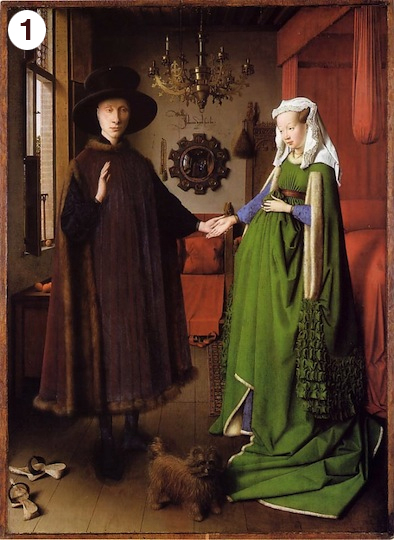
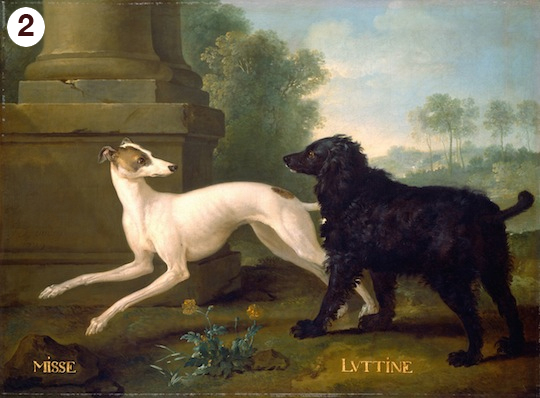
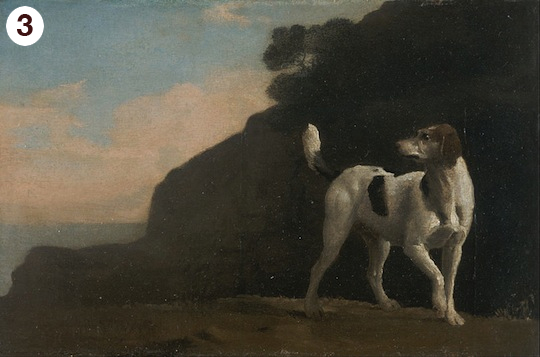
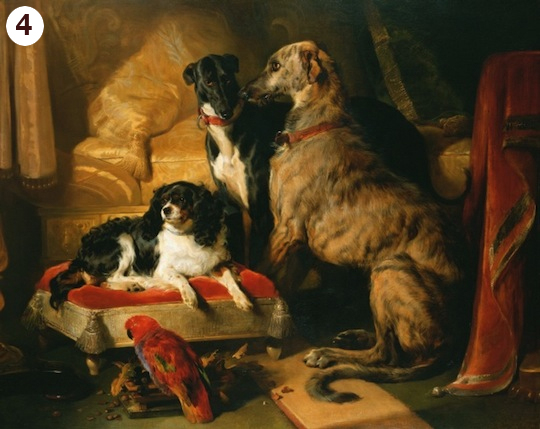
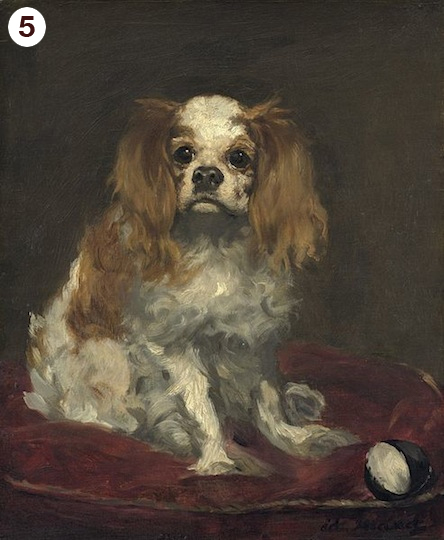
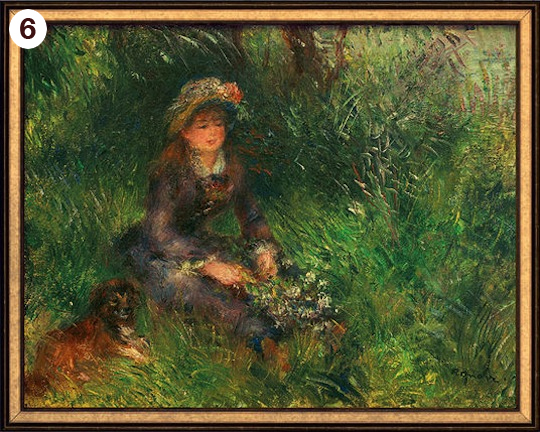
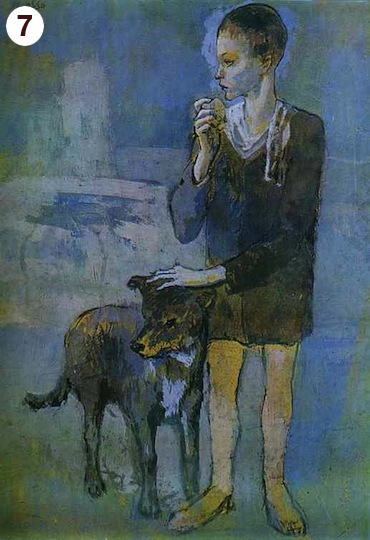
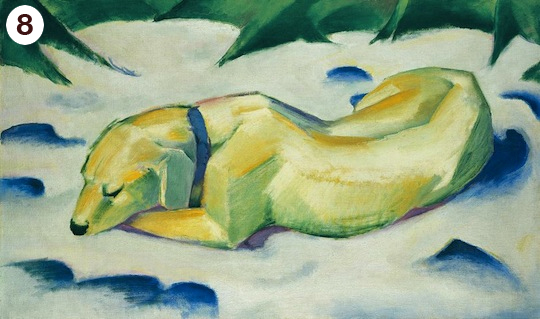
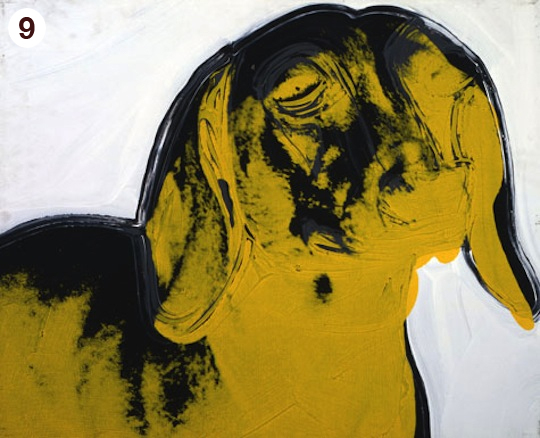
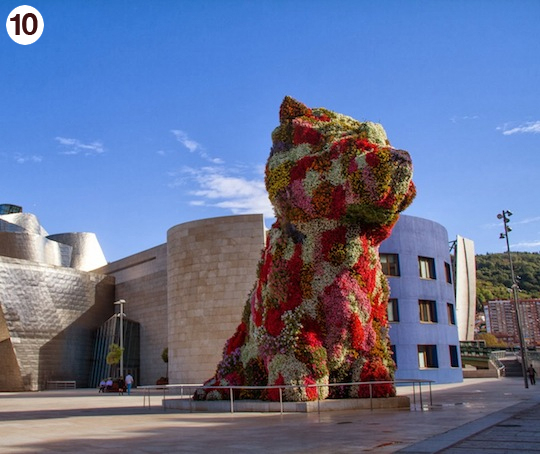
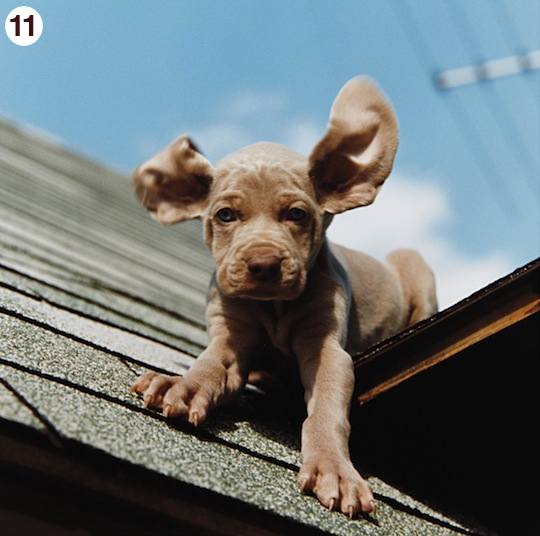
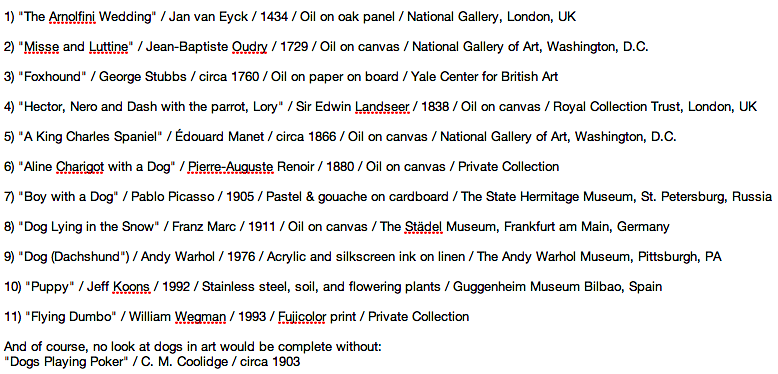
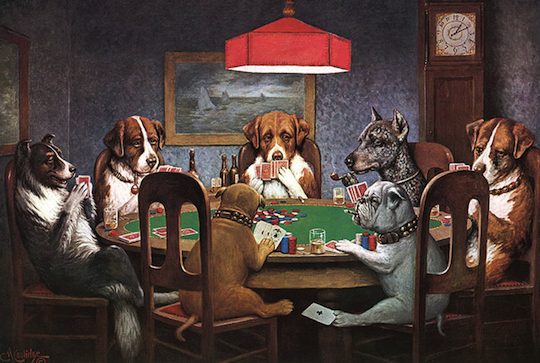
March 22~ Retrospective Edition

Agnes Martin (1912-2004)
https://www.moma.org/artists/3787
https://www.guggenheim.org/exhibition/agnes-martin

Yayoi Kusama (1929)
http://www.yayoi-kusama.jp/e/biography/index.html
http://hirshhorn.si.edu/kusama/the-exhibition/
Randolph Caldecott: Born on March 22, 1846

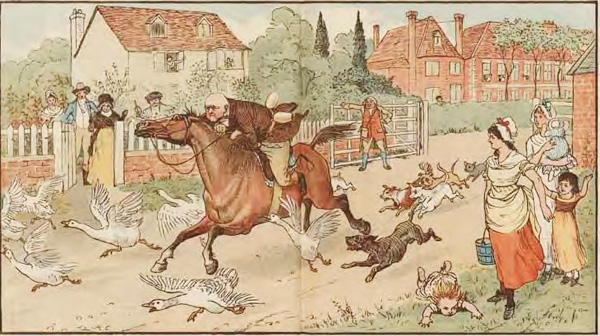
The full-color illustration adapted for the image depicted on the Caldecott Medal, from The Diverting History of John Gilpin (1878). Source: http://www.publishersweekly.com/images/data/ARTICLE_PHOTO/photo/000/017/17815-1.JPG
Randolph Caldecott was born in Chester on 22 March 1846. He was the third son of John Caldecott and his first wife Mary Dinah Brookes, and one of 13 siblings or half-siblings. Caldecott attended King Henry VIII School, Chester, where he became head boy.
From an early age Caldecott showed artistic talent. He won a prize for drawing while at school in Chester, and in 1861, when he was 15 years old, the Illustrated London News published his drawing and written account of a major fire at a railway hotel in Chester.
Caldecott was also interested in sculpture, and studied for a time with the French sculptor Jules Dalou. He also produced decorative murals, panels and bas-reliefs, and painted in oils.
Caldecott is most famous for his 16 picture books, published annually in pairs by George Routledge & Sons, London.
https://www.natwestgroup.com/heritage/people/randolph-caldecott.html
 The Randolph Caldecott Medal
Frederic G. Melcher suggested in 1937 the establishment of a…medal is to be given to the artist who had created the most distinguished picture book of the year and named in honor of the nineteenth-century English illustrator Randolph J. Caldecott.
The Caldecott Medal “shall be awarded to the artist of the most distinguished American Picture Book for Children published in the United States during the preceding year.”
http://www.ala.org/alsc/awardsgrants/bookmedia/caldecottmedal/aboutcaldecott/aboutcaldecott
Caldecott Medal & Honor Books, 1938-Present
http://www.ala.org/alsc/awardsgrants/bookmedia/caldecottmedal/caldecotthonors/caldecottmedal
An excerpt from ‘Randolph Caldecott: The Man Who Could Not Stop Drawing’
http://www.publishersweekly.com/pw/by-topic/childrens/childrens-book-news/article/58869-randolph-caldecott-the-man-who-could-not-stop-drawing-a-pw-excerpt.html

THE HOUSE THAT JACK BUILT:
One of R. Caldecott’s Picture Books
http://www.gutenberg.org/files/12109/12109-h/12109-h.htm
March 22~ Broadway Edition
March 22~
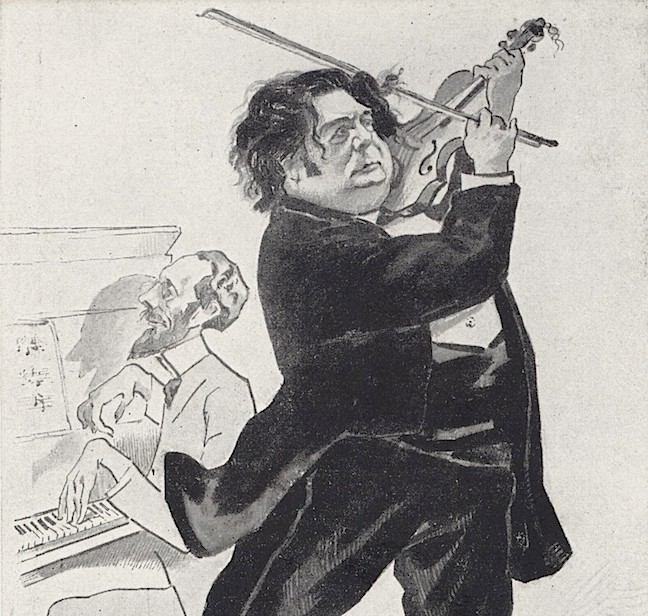
Théo Ysaÿe (1865-1918)
art: Detail, caricature of Theo Ysaÿe and brother Eugène Ysaÿe
bio: https://en.wikipedia.org/wiki/Th%C3%A9o_Ysa%C3%BFe
video: https://youtu.be/7eHXRCuHtyQ
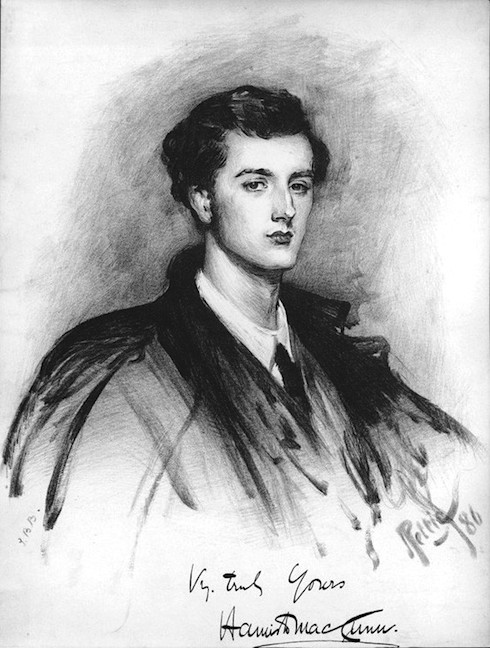
Hamish MacCunn (1868-1916)
art: Sketch of Hamish MacCunn by J.B.B., after John Pettie, National Portrait Gallery, London
bio: https://en.wikipedia.org/wiki/Hamish_MacCunn
video: https://youtu.be/c4p7SLbWdGg