Pride Month~ June 21

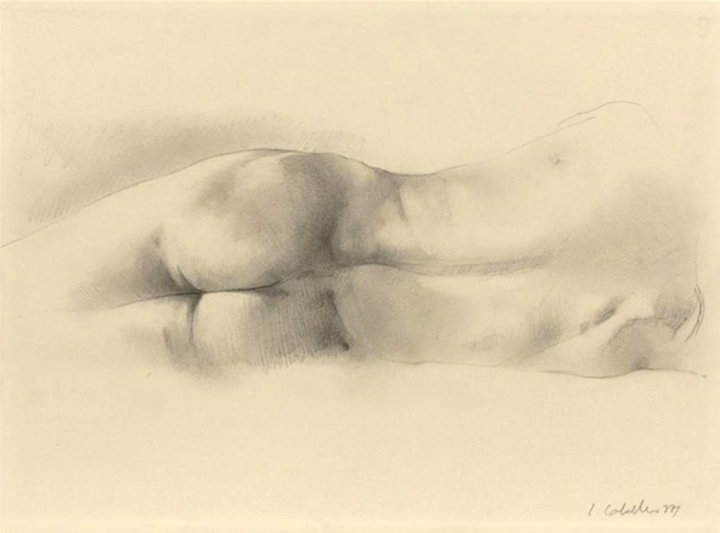
Luis Caballero (1943-1995)
Colombian-born artist combined desire and aesthetic beauty
http://miamibiennale.org/miami_biennale_luis_caballero.html

Nu de dos allongé / 1984 / Graphite on paper / 10.6”x14.6”

Gilbert & George (Gilbert Prousch b.1943 and George Passmore b.1942)
“It’s not a collaboration…We are two people, but one artist”
https://www.moma.org/calendar/exhibitions/1518

Fates / 2005 / 54 digital prints on paper with ink / 167 11/16”x299 3/16”

Pride Month~ June 19

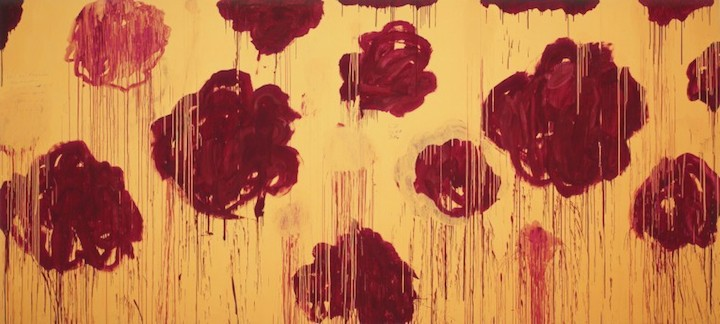
Cy Twombly (1928-2011) Iconic large-scale marks scribbled and smeared on raw canvas or linen
http://www.galerie-karsten-greve.com/en/cy_twombly/biography

Untitled [Gaeta] / 2007 / Acrylic, wax crayon, lead pencil on wooden panel / 99 1/4”x217 3/8”

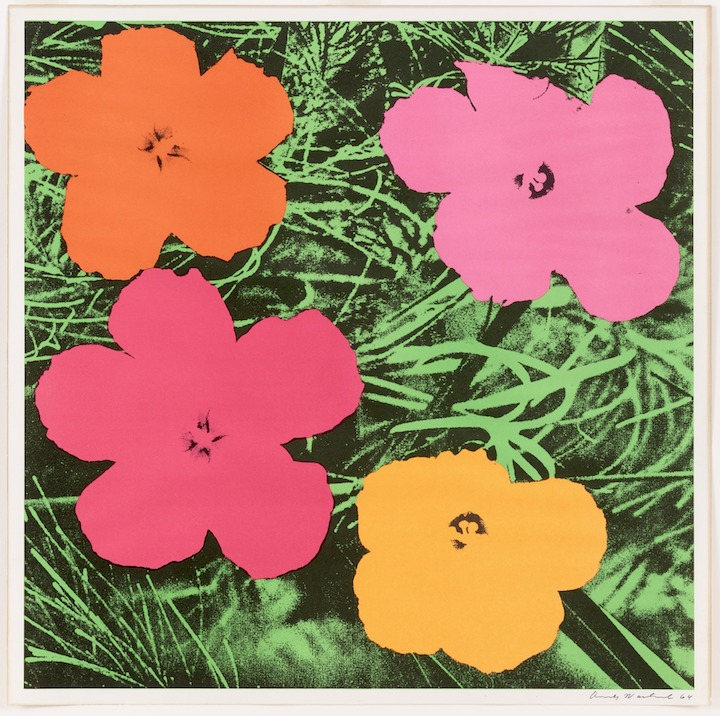
Andy Warhol (1928-1987) Artist, director and producer explored popular culture in his work
http://warholfoundation.org/legacy/biography.html

Flowers / 1964 / Offset lithograph / sheet: 22 13/16”x23 1/16″

Pride Month~ June 15


Ruth Bernhard (1905-2006)
German-born American photographer shot almost exclusively in black-and-white
https://en.wikipedia.org/wiki/Ruth_Bernhard

Doll’s Head / 1936 / Photographic print / 7 11/16”x 9 9/16”(image)


Richard Bruce Nugent (1906-1987)
Writer, artist, and illustrator associated with the Harlem Renaissance
https://ubuntubiographyproject.com/2017/07/01/richard-bruce-nugent/

https://brbl-dl.library.yale.edu/vufind/Record/3548131

Pride Month~ June 14

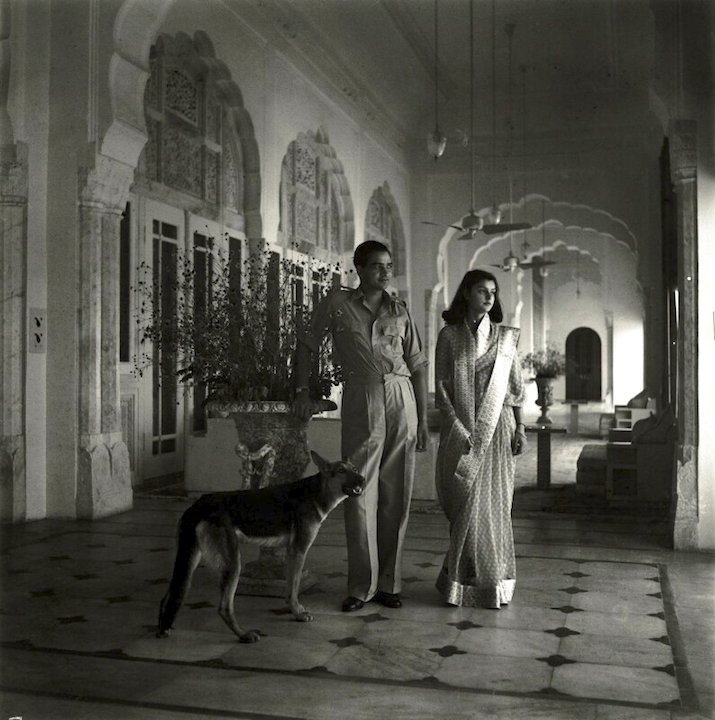
Cecil Beaton (1904-1980)  English photographer, diarist, artist, and designer
http://www.anothermag.com/art-photography/10296/ten-things-you-might-not-know-about-cecil-beaton

Sawai Man Singh II, Maharaja of Jaipur; Maharani Gayatri Devi, Rajmata of Jaipur /
1944 / Modern bromide print / 10”x9 7/8”


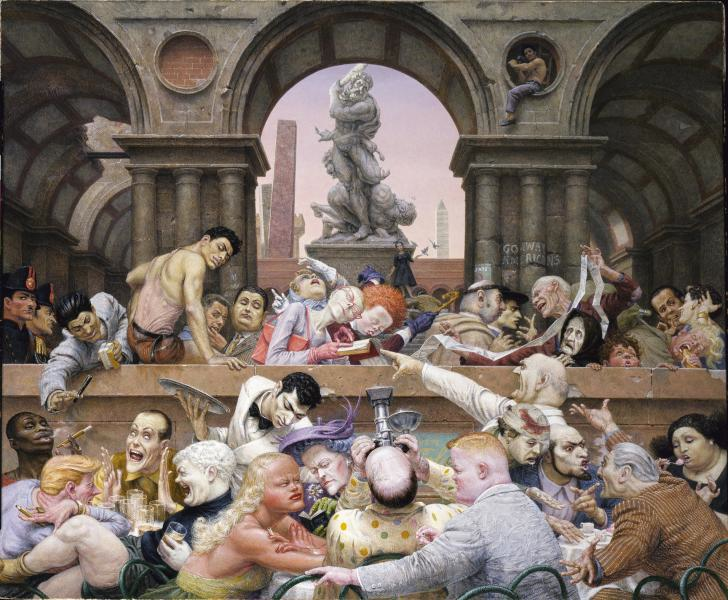
Paul Cadmus (1904-1999 ) American artist who epitomized Magic Realism
http://www.notablebiographies.com/supp/Supplement-Ca-Fi/Cadmus-Paul.html

Bar Italia / 1953-1955 / Tempera on wood / 37 1/2”x45 1/4”

Pride Month~ June 12

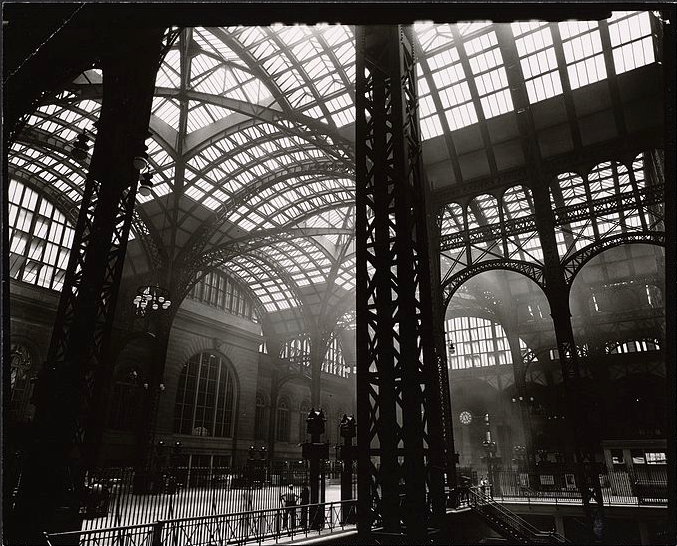
Berenice Abbott (1898-1991)
Pioneering American documentary photographer
http://www.nybooks.com/articles/2018/05/10/berenice-abbott-pictures-jazz-age/

Penn Station, Interior, Manhattan / 1935 / Photograph / 23”x 18 1/8”

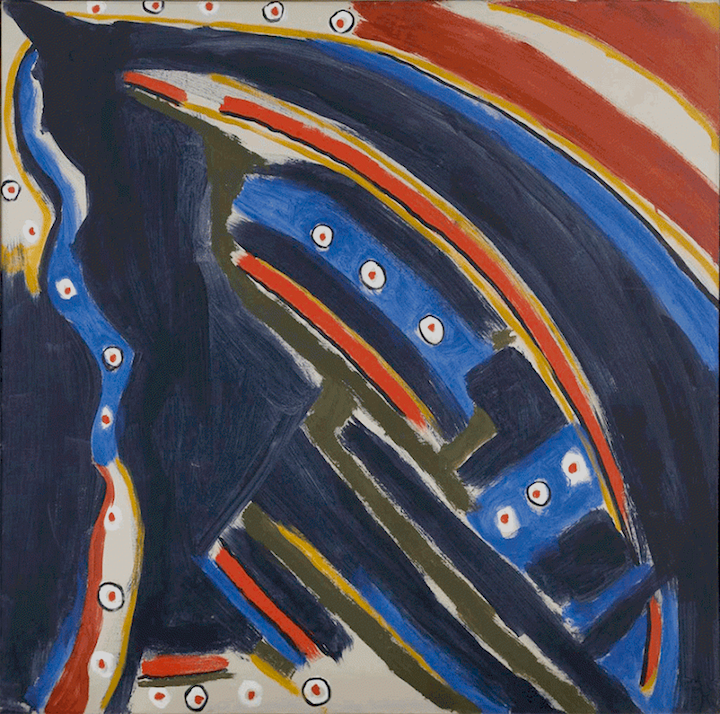
Betty Parsons (1900-1982)
Abstract painter and sculptor best known as a dealer of mid-century art
http://www.alexandergray.com/artists/betty-parsons

Gold Stipple Moonshot / 1972 / Acrylic on canvas / 48”x48”

Pride Month~ June 10

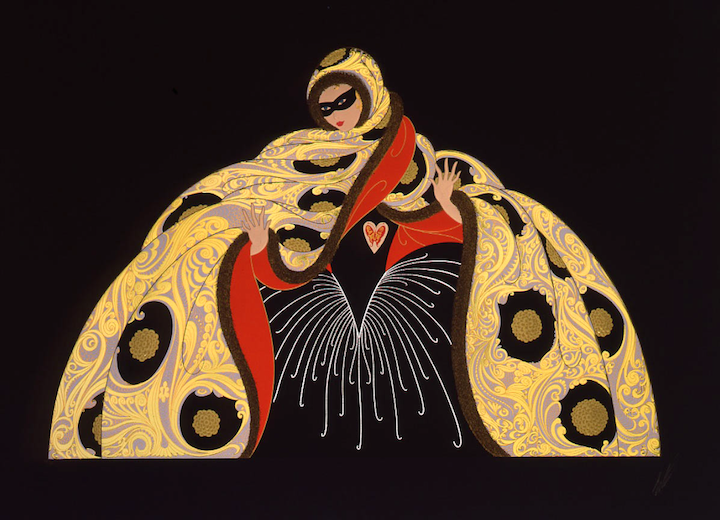
Erté (1892-1990)  Russian-born French artist, illustrator, and designer
http://gayinfluence.blogspot.com/2013/12/erte.html

Masquerade / 1987 / Embossed serigraph with foil stamping on black paper / 28”x40”


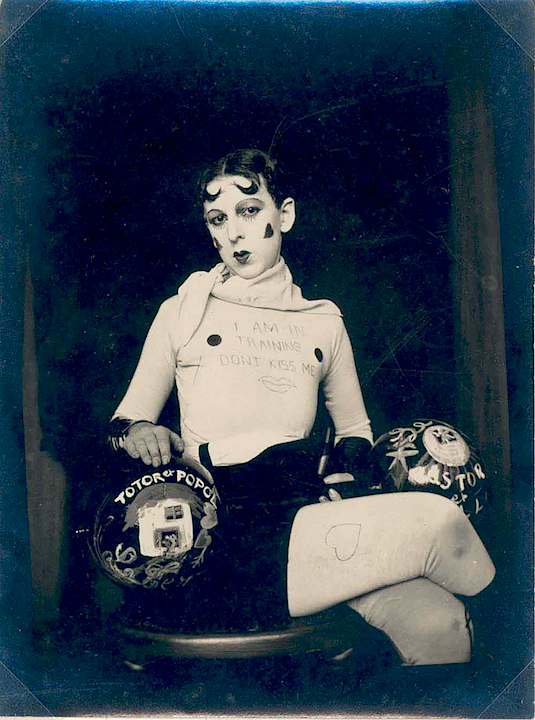
Claude Cahun (1894-1954)
Startlingly original and enigmatic photographic images
https://www.nytimes.com/2019/06/19/obituaries/claude-cahun-overlooked.html

Don’t Kiss Me, I’m in Training (Claude Cahun + Marcel Moore) / 1927 / Monochrome print / 4 5/8”x3 1/2”

Salmagundi

Dorothea Lange [War]Lange

Mules

Biographies:
International Photography Hall of Fame and Museum~ http://www.iphf.org/hall-of-fame/dorothea-lange/
PBS~ http://www.pbs.org/video/2365971488/

Three months after Pearl Harbor, President Franklin Roosevelt ordered the relocation of Japanese-Americans into armed camps in the West. Soon after, the War Relocation Authority hired [Dorothea Lange (1895-1965)] to photograph Japanese neighborhoods, processing centers, and camp facilities.

To capture the spirit of the camps, Lange created images that frequently juxtapose signs of human courage and dignity with physical evidence of the indignities of incarceration. Not surprisingly, many of Lange’s photographs were censored by the federal government, itself conflicted by the existence of the camps.

The true impact of Lange’s work was not felt until 1972, when the Whitney Museum incorporated twenty-seven of her photographs into Executive Order 9066, an exhibit about the Japanese internment. New York Times critic A.D. Coleman called Lange’s photographs “documents of such a high order that they convey the feelings of the victims as well as the facts of the crime.”
FROM http://www.loc.gov/exhibits/wcf/wcf0013.html

FatherSonNational Archives~ https://www.archives.gov/news/articles/japanese-internment-75th-anniversary
National Park Service~ https://www.nps.gov/manz/learn/photosmultimedia/dorothea-lange-gallery.htm

(Learn more by clicking on embedded hyperlinks)

Salmagundi

Charles & Ray Eames: Love

(Learn more by clicking on hyperlinks embedded in text)

“Charles was a designer with an eye for form. Ray was an artist with an eye for color. They complemented each other on projects like coat hangers, films, their namesake chairs, and large architectural projects. Through four decades of creative work, they revolutionized design and created an indelible mark on American History. The duo was not without faults, but the pair proved to be inseparable and inspirational. They were the Eameses.”
https://www.pastemagazine.com/design/charles-and-ray-eames/first-couple-of-design-charles-eames/

“Their partnership, which obliterated the distinctions between private and professional lives, inspired numerous contemporary working marriages…Charles and Ray, architect and artist, wanted to do everything — disciplinary boundaries meant nothing to them — and, by and large, succeeded.” https://nymag.com/nymetro/arts/features/1437/

The Work of Charles and Ray Eames: A Legacy of Invention
AD Classics: Eames House / Charles and Ray Eames
The Love Letters of Charles & Ray Eames

Salmagundi

Mathew Brady [War]

Mathew Brady is often referred to as the father of photojournalism and is most well known for his documentation of the Civil War. His photographs, and those he commissioned, had a tremendous impact on society at the time of the war, and continue to do so today. He and his employees photographed thousands of images including battlefields, camp life, and portraits of some of the most famous citizens of his time including Abraham Lincoln and Robert E. Lee.
https://www.battlefields.org/learn/biographies/mathew-brady

The Civil War as Photographed by Mathew Brady~
http://www.archives.gov/education/lessons/brady-photos/


(Learn more by clicking on embedded hyperlinks)

Salmagundi

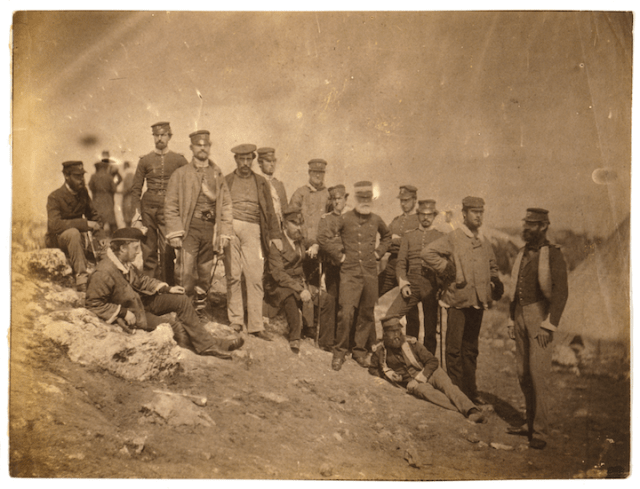
Fifteen officers of the 17th Regiment of Foot posed on a hill at camp, 1855

Roger Fenton (1819-1869) [War]

Photograph of Roger Fenton (1819-1869) dressed in traditional Zouave costume.

…the British government hired photographer Roger Fenton to travel to Crimea and create some of the first war photographs in history. He arrived in March 1855 and stayed for 3.5 months.
FROM https://mashable.com/2016/01/06/crimean-war/#JJZDNMTVAuqa

While the sight of soldiers with a sketchbook as well as the occasional artist was not uncommon in the Crimea, the idea of a photographer ‘at the seat of war’ was new. Consequently, Fenton was pestered by troops wanting their ‘likeness’ taken, so much so that he noted he would ‘dread the sight of English officers riding up to my van’.
FROM http://www.tate.org.uk/context-comment/articles/terrible-beauty

The Valley of the Shadow of Death, 1855

In the course of a single decade, Fenton had played a pivotal role—by advocacy and example—in demonstrating that photography could rival drawing and painting not only as a means of conveying information, but also as a medium of visual delight and powerful expression.
FROM https://www.metmuseum.org/toah/hd/rfen/hd_rfen.htm

(Learn more by clicking on embedded hyperlinks)