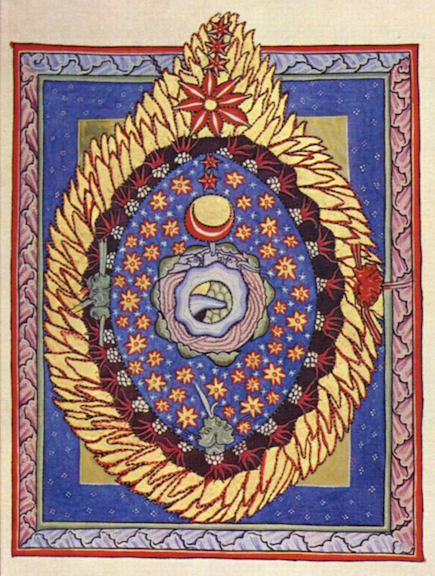
Illuminations in “Scivias” Hildegard von Bingen (1098-1179) German abbess, writer, composer, mystic, and perhaps artist; it is unclear how involved she was in the illustrations https://www.wikiart.org/en/hildegard-of-bingen
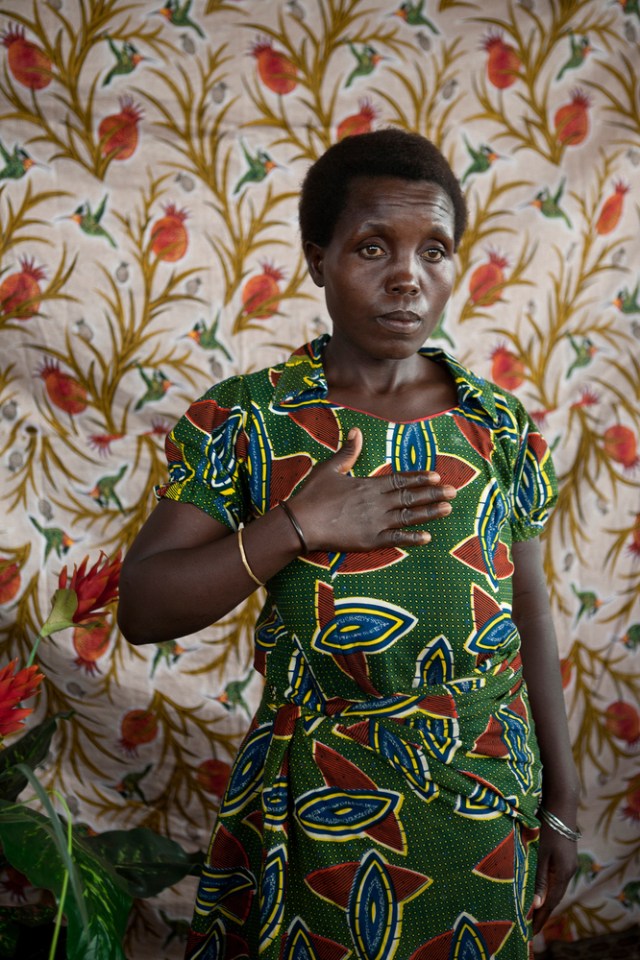
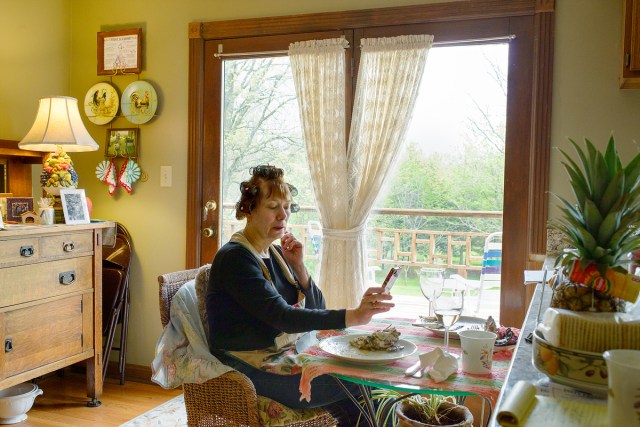
A great portrait is more than just a frozen reflection of the subject’s appearance. It’s a chance moment, blanketed in natural light, in which the subject’s authentic self is visible in her expression, her stance, her aura. A great portrait blurs the line between a subject and her surroundings, all contributing equally to the overall impression of a singular human being.
Photographer Barbara Yoshida captured not one great portrait, but 100. And to make it all the more glorious, her subjects are all female artists, groundbreaking in their own right.
Her vibrant colors and stylized designs pervade Disney animated films from 1943 to 1953 (such as THE THREE CABALLEROS, CINDERELLA, ALICE IN WONDERLAND AND PETER PAN). A prolific artist, during the 1950’s and 60’s she brought eye-appealing flair to children’s books (I CAN FLY), advertisements, theatrical set designs, and large-scale theme park murals and attractions (such as Disneyland’s IT’S A SMALL WORLD). … Though much of her art veers away from naturalism toward abstraction, she was one of Walt Disney’s favorite artists; he personally responded to her use of color, naïve graphics, and the storytelling aspect in her pictures… FROM About Mary~ http://magicofmaryblair.com/about-mary/
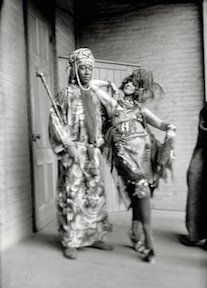
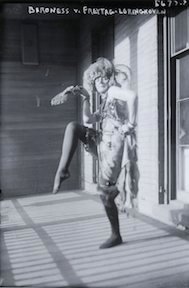
Early last century, when the sight of a woman in trousers could still cause a flap, the spectacle of Baroness Elsa von Freytag-Loringhoven must have aroused hairy panic.
With her five stray dogs trailing behind her on a gilded leash, she would walk regally through Washington Square Park, wearing a short Scottish kilt, a brassiere made from two tomato cans tied together with green string and, hanging from her neck, a wooden birdcage — with a live, chirping canary.
A Dada poet and collagist, artists’ model and troublemaker, she was called by those who knew her simply “the Baroness.” In the late 1910’s and early 1920’s, the Baroness reigned among the intellectual avant-garde who laughed at sexual taboos and made art their revolution. But in the wildly colorful hothouse of Greenwich Village bohemia, the Baroness was the most exotic blossom of them all. “She is not a futurist,” Marcel Duchamp said. “She is the future.” http://www.nytimes.com/2002/08/18/magazine/my-heart-belongs-to-dada.html
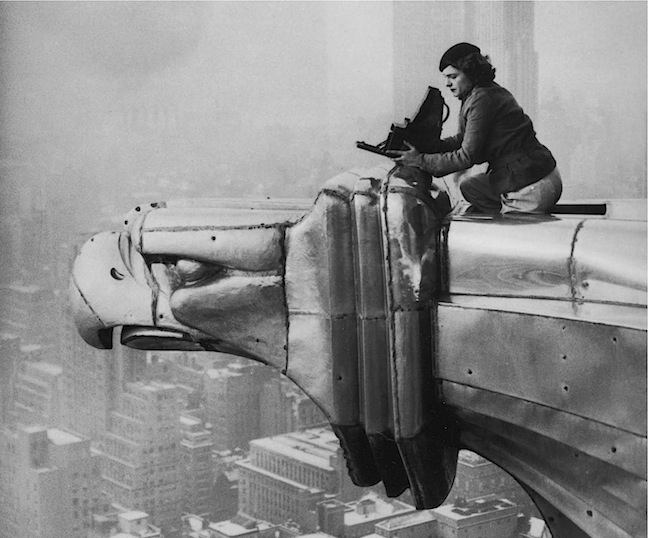
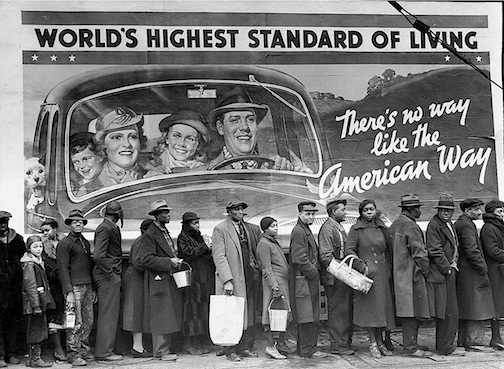
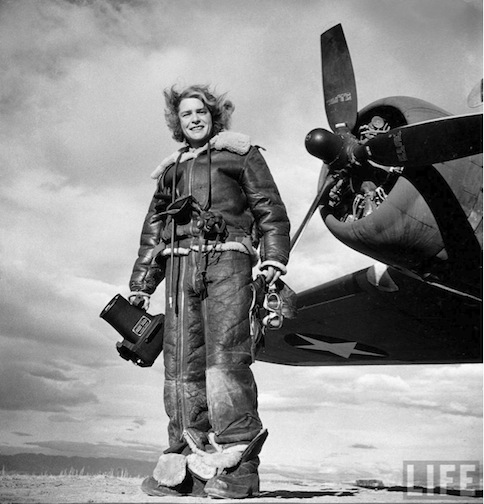
Margaret Bourke-White was a pioneering photojournalist whose insightful pictures of 1930s Russia, German industry, and the impact of the Depression and drought in the American midwest established her reputation…In 1927 she graduated from Cornell University with a degree in biology, but she spent most of her time establishing herself as a professional photographer. Bourke-White opened her first studio in her apartment in Cleveland, Ohio. FROM http://www.moma.org/interactives/objectphoto/artists/712.html
As an artist, Bourke-White continued to use photography as an instrument to examine social issues from a humanitarian perspective. She witnessed and documented some of the 20th century’s most notable moments, including the liberation of German concentration camps by General Patton in 1945, the release of Mahatma Gandhi from prison in 1946, and the effects of South African labor exploitation in the 1950s. Her career was cut short in 1966 due to Parkinson’s disease, and she died in 1971. FROM https://www.howardgreenberg.com/artists/margaret-bourke-white
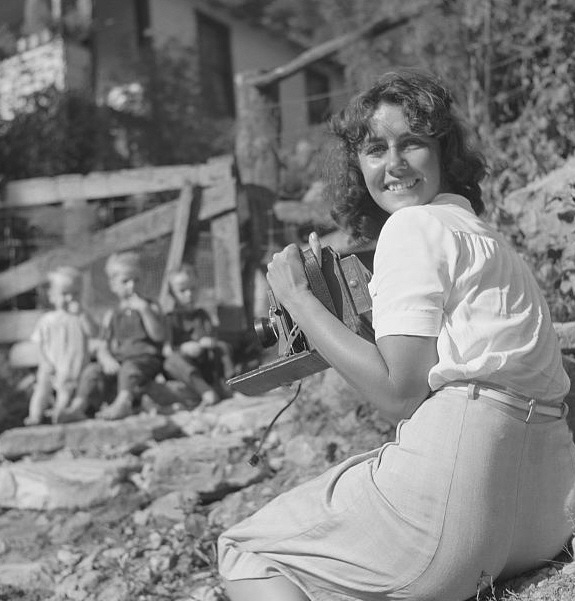
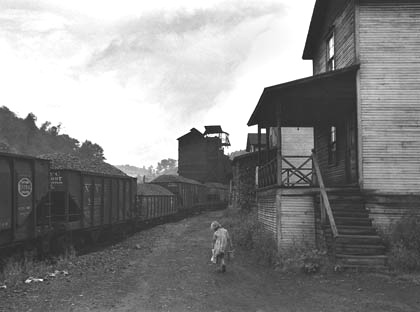
Marion Post Wolcottis best known for the more than 9,000 photographs she produced for the Farm Security Administration (FSA) from 1938 to 1942.1 This work is preserved at the Library of Congress Prints and Photographs Division and also available online. Before Wolcott became a government photographer, she earned her living making photographs for magazines and newspapers. Initially she worked freelance, but, as a staff photojournalist in 1937 and 1938, Wolcott broke gender barriers in the newspaper darkroom. Then she worked for the Farm Security Administration, one of the largest news photography projects in the world. Although she worked professionally for only a few years, her artistry and perseverance have inspired many articles, books, and exhibitions and her photographs created a lasting record of American life on the eve of World War II. FROM http://www.loc.gov/rr/print/coll/womphotoj/wolcottessay.html
Norma Bassett Hall was an American woodblock printmaker who often depicted landscapes and outdoor scenes. She was born in Halsey, Oregon. In 1910, she become a member of the inaugural class of the Museum Art School in Portland, Oregon. After leaving Portland, she briefly taught in Milwaukee, Wisconsin, before continuing her education at the School of the Art Institute of Chicago from 1915-1918. She also studied privately with the noted British printmaker Mabel Royds, who introduced Norma to the Japanese method of printing woodcuts on rice paper with transparent watercolors. While studying at the SAIC, Norma Bassett met and would later marry Arthur William Hall, a fellow student and artist. Following their marriage, they made their home in Kansas, becoming deeply involved with the state’s flourishing printmaking culture and helping to found the Prairie Print Makers. Hall, the only female among the group’s eleven charter members, designed their distinctive logo, a monogram set within a stylized sunflower. Hall and her husband divided their time and subjects between the rolling hills of Kansas and the dramatic vistas of New Mexico. In 1944 the couple permanently relocated to New Mexico, living first in Santa Fe and eventually purchasing an estate near Alcade from which they operated an art school. Bassett Hall continued to work and teach from their estate until her death in 1957.~FROM Wikipedia
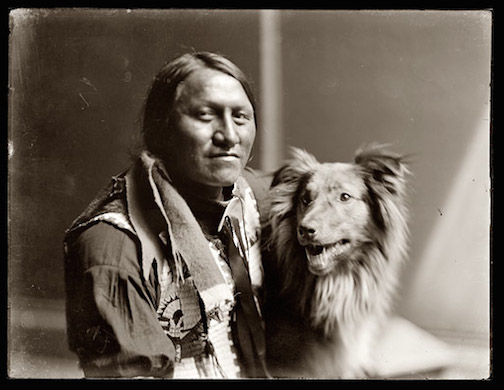
Gertrude Käsebier was a leading member of the pioneering photographic known as Pictorialism, which emphasized a subjective, painterly approach to photography rather than a documentary one.
Though she had long been interested in art, Käsebier only began her formal training at the Pratt Institute after her children entered high school. She planned to be a painter, but eventually switched to photography. Following classes in Paris and apprenticeships with a German photographic chemist, and a Brooklyn portrait photographer, Käsebier opened her own portrait studio in 1897. FROMhttps://nmwa.org/art/artists/gertrude-kasebier/