Tag Archives: Drawing
April 29, 1945: U.S. Seventh Army’s 45th Infantry Division liberates Dachau

“In 1944 Zoran Music was arrested by the Gestapo in Venice and deported to the concentration campo in Dachau, an experience that marked his life and his art thereafter. In 1945 he made a series of drawings depicting scenes related to the Holocaust: cremation ovens, hanged men and piles of corpses. These drawings would be the inspiration, in the 1970s, for the series Nous ne sommes pas les derniers (We Are Not the Last)…”
FROM http://www.museoreinasofia.es/en/collection/artwork/nous-ne-sommes-pas-derniers-we-are-not-last
When we were in the camp, people would often declare that this sort of thing could never happen again. When the war is over, they said, a better world will come into being and such horrors will never recur. . . But then, as time went by, I saw the same sort of thing starting to happen again all over the world—in Vietnam, in the Gulag, in Latin America—everywhere. And I realized that what we had said in those days—that we would be the last people to experience such things—was not true: the truth is that we were not the last. – Zoran Music
FROM http://thejewishmuseum.org/exhibitions/an-artists-response-to-evil-we-are-not-the-last-by-zoran-music#about
Zoran Mušič on Wikipedia: https://en.wikipedia.org/wiki/Zoran_Mušič
Edward Ruscha: Born December 16, 1937
Stopping off in New York City on his way back [from Europe], he paid a call on Leo Castelli, whose gallery showed Jasper Johns, Robert Rauschenberg, and Frank Stella. No introduction, no calling beforehand—he just walked in with the Paris paintings under his arm. Castelli, all European charm and suavity, said that Ruscha’s work looked interesting, and told him to stay in touch. Ruscha stayed in touch for twelve years, visiting the gallery on his occasional trips to New York, and in 1973 Castelli became his New York dealer. Ruscha never seriously considered moving East. “That was too big a decision, and too big a jump,” he told me. “It just didn’t feel like it was meant to be.” He wanted to live in Los Angeles, and by the time he returned from Europe he knew that the only thing he could possibly be was an artist. “I could see I was just born for the job, born to watch paint dry,” he said.
FROM http://www.newyorker.com/magazine/2013/07/01/ed-ruschas-l-a

Biography~ http://www.tate.org.uk/art/artists/edward-ruscha-1882
Where is Rocky II?~ https://www.hollywoodreporter.com/news/documentary-mysterious-ed-ruscha-work-gets-north-american-premiere-at-lacma-962057
Edward Ruscha’s Deadpan Artistry~ http://broadstreetonline.org/2015/01/edward-ruschas-deadpan-artistry/
December 5~

Myron Stout (1908-1987)
http://www.nytimes.com/1987/08/08/obituaries/myron-stout-abstract-artist-and-minimalist-is-dead-at-79.html
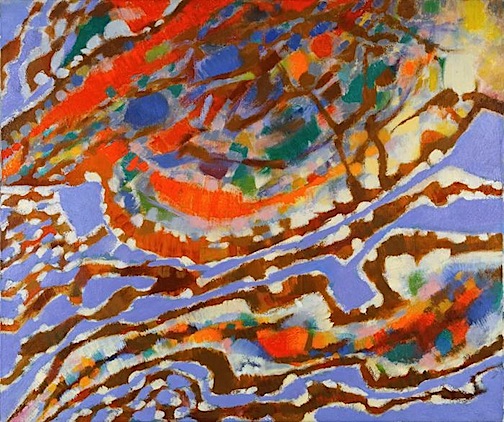
Alfred Manessier (1911-1993)
https://www.guggenheim.org/artwork/artist/Alfred-Manessier
November 15~
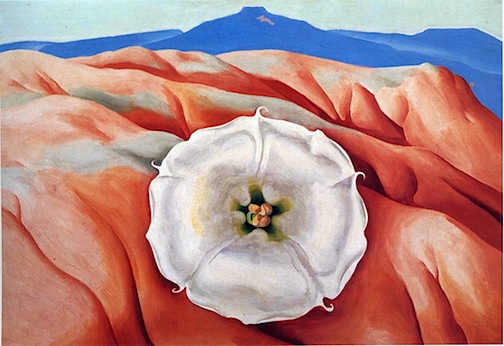
Georgia O’Keeffe (1887-1986)
http://www.metmuseum.org/toah/hd/geok/hd_geok.htm
Wayne Thiebaud (1920)
http://www.phillipscollection.org/research/american_art/bios/thiebaud-bio.htm

September 9~
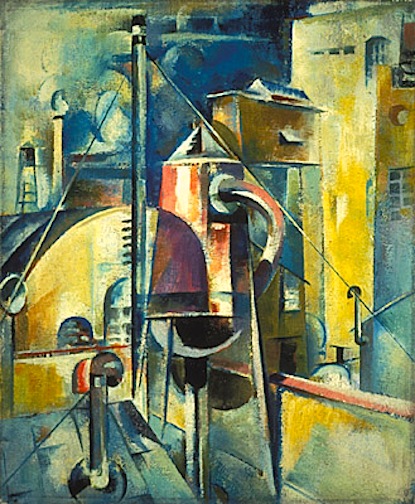
Preston Dickinson (1889-1930)
http://www.phillipscollection.org/research/american_art/bios/dickinson-bio.htm
Sol LeWitt (1928-2007)
https://www.guggenheim.org/artwork/artist/sol-lewitt

September 6~
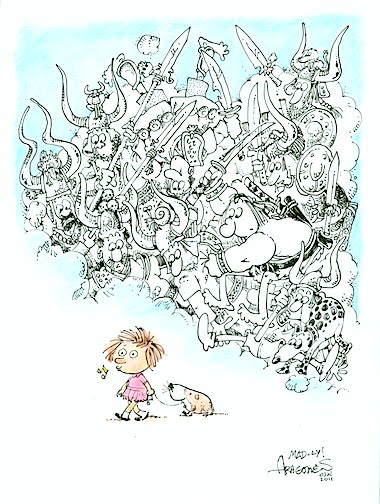
Sergio Aragonés (1937) http://www.sergioaragones.com/about-sergio/
Elizabeth Murray (1940-2007) http://www.artnet.com/artists/elizabeth-murray/
August 24~
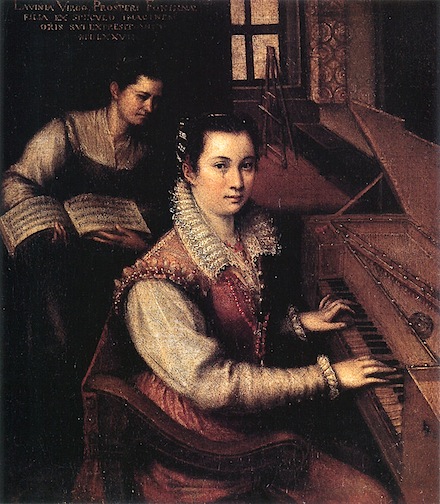
Lavinia Fontana (1552-1614)
http://nmwa.org/explore/artist-profiles/lavinia-fontana
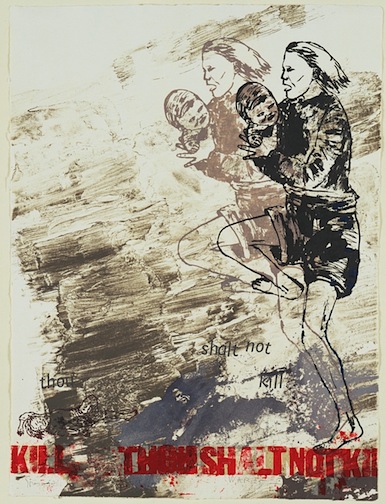
Nancy Spero (1926-2009)
http://sigliopress.com/nancy-spero-biography/
February 12~

Max Beckmann (1884-1950)
https://www.guggenheim.org/artwork/artist/max-beckmann

Eugène Atget (1857–1927)
https://www.metmuseum.org/toah/hd/atgt/hd_atgt.htm
February 4~
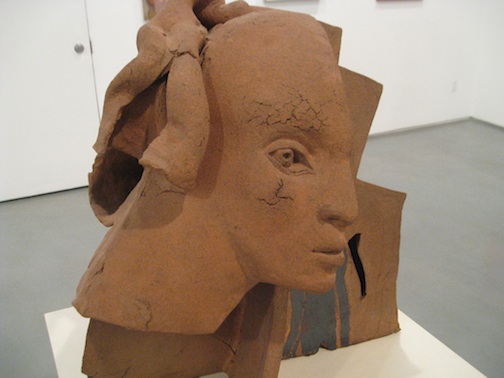
Mary Frank (1933)
http://jwa.org/encyclopedia/article/frank-mary
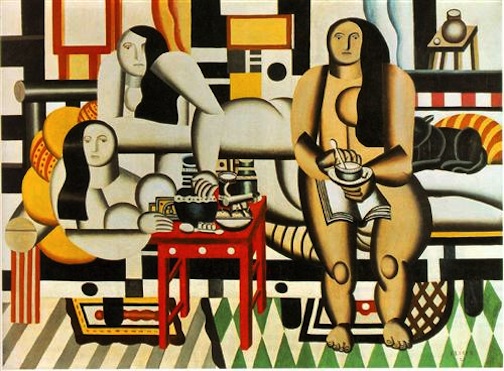
Fernand Léger (1881-1955)
https://www.guggenheim.org/artwork/artist/fernand-leger
 The Misty Miss Christy